Trump Announces Temporary Halt to Attacks on Iran’s Energy Infrastructure Amid Ongoing Talks
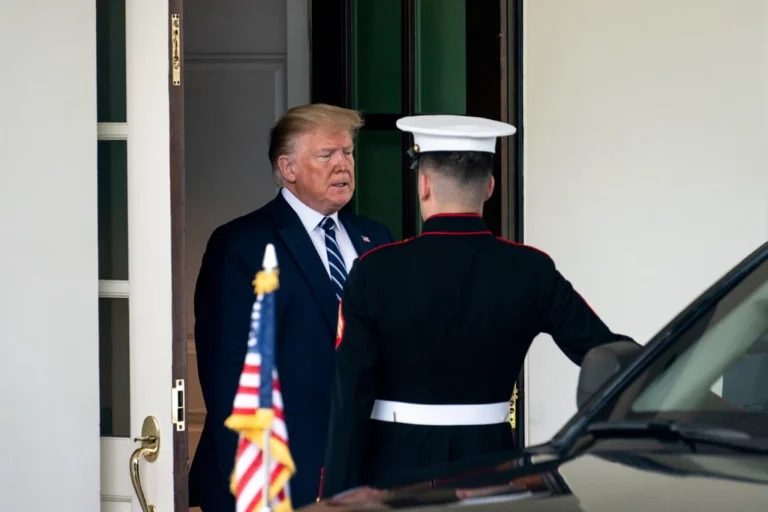
In a significant development in U.S.-Iran relations, President Donald Trump announced a 10-day pause on attacks targeting Iran’s energy facilities. This decision comes at the request of the Iranian government and is intended to facilitate ongoing diplomatic discussions between the two nations. The announcement was made on Trump’s social media platform, Truth Social, where he expressed optimism about the current state of negotiations.
The President stated, “As per Iranian government request, I am pausing the period of energy plant destruction by 10 days to Monday, April 6, 2026, at 8 P.M. Eastern Time.” This pause marks a notable shift in a tense relationship characterized by military threats and retaliatory actions in recent years.
Trump’s remarks were accompanied by a strong assertion that the talks with Iran are progressing positively, despite what he labeled as misleading reports from the media. He emphasized, “Talks are ongoing, and, despite erroneous statements to the contrary by the Fake News Media, and others, they are going very well.” This statement aims to counteract skepticism surrounding the negotiations and highlight a more diplomatic approach to a situation that has often escalated into conflict.
The pause in military action is seen as a critical opportunity for both sides to explore avenues for de-escalation and potential agreements. Observers note that the energy sector is a vital component of Iran’s economy and that attacks on this infrastructure could have widespread implications, not only for Iran but also for global oil markets.
In the context of these developments, analysts suggest that the U.S. administration may be seeking to leverage this period of negotiation to address longstanding issues between the two countries, including Iran’s nuclear program and regional influence.
The announcement has been met with mixed reactions. Supporters of Trump’s decision argue that it demonstrates a willingness to engage in dialogue and seek peaceful resolutions, while critics warn that any pause in military action could be perceived as a sign of weakness or lead to Iran taking a more aggressive stance in other areas.
As the deadline for the pause approaches, the international community will be closely monitoring the situation, looking for signs of progress in the negotiations. The outcome of these talks could have substantial repercussions for U.S.-Iran relations and broader geopolitical dynamics in the Middle East.
Overall, this development underscores the complexities of diplomacy in a region marked by historical tensions and the ongoing quest for stability and peace.