Trump Claims Iran Peace Deal is Nearly Finalized
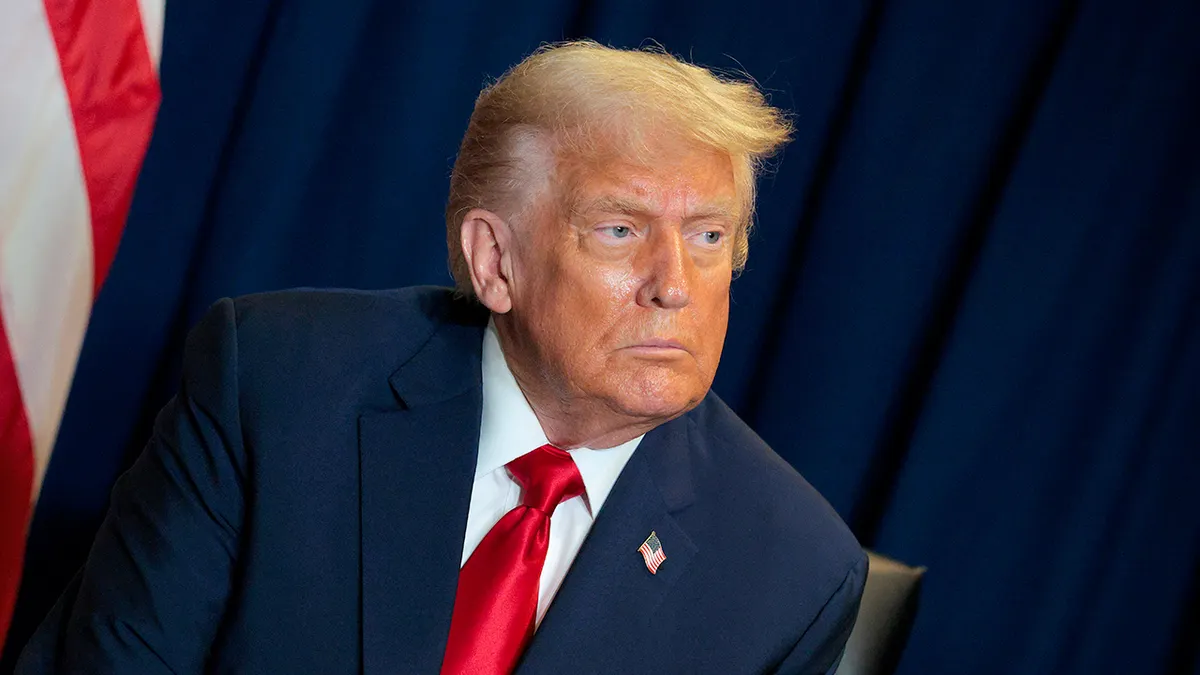
In a recent statement, U.S. President Donald Trump announced that a memorandum of understanding regarding a peace agreement with Iran is “largely negotiated.” This development comes as part of an ongoing effort to stabilize relations in the region and enhance security in the strategically important Strait of Hormuz.
Trump shared this information through a post on his social media platform, Trump Social, indicating that the final details of the agreement are currently being discussed and will be unveiled in the near future. The president’s comments suggest a significant diplomatic effort aimed at addressing longstanding tensions between the U.S. and Iran, as well as improving relations with other nations in the region.
The announcement follows a series of communications between Trump and leaders from various Muslim-majority countries, along with Israeli Prime Minister Benjamin Netanyahu. These discussions appear to be part of a broader strategy to align regional partners around a new approach to peace and stability in the Middle East.
The Strait of Hormuz, through which a substantial portion of the world’s oil supply is transported, is a focal point in discussions about regional security. Improved relations with Iran could potentially lead to greater stability in this vital maritime corridor, which has been a hotspot for geopolitical tensions.
While details of the agreement remain under wraps, Trump’s assertion that the negotiations are nearing completion has sparked interest among political analysts and international observers. Many are eager to see how this potential deal could reshape relations not only between the U.S. and Iran but also among other countries in the region.
The implications of a successful peace agreement could be far-reaching, potentially impacting economic ties, security arrangements, and overall diplomatic relations in the Middle East. The prospect of easing sanctions or fostering cooperation on shared interests could lead to enhanced stability, though skepticism remains regarding the practicalities of implementing such a deal.
As the situation develops, both supporters and critics of the administration’s approach will be watching closely. Proponents argue that a diplomatic resolution would mark a significant achievement in U.S. foreign policy, while detractors caution that previous attempts at negotiation have often faltered.
In the weeks ahead, further announcements are expected as the administration works to finalize key aspects of the agreement. The international community, particularly those within the Arab-American community, will be keenly observing the outcomes of these discussions, hopeful for a path toward peace and collaboration in a region long affected by conflict.