Trump Clarifies Lebanon’s Status in U.S.-Iran Ceasefire Agreement
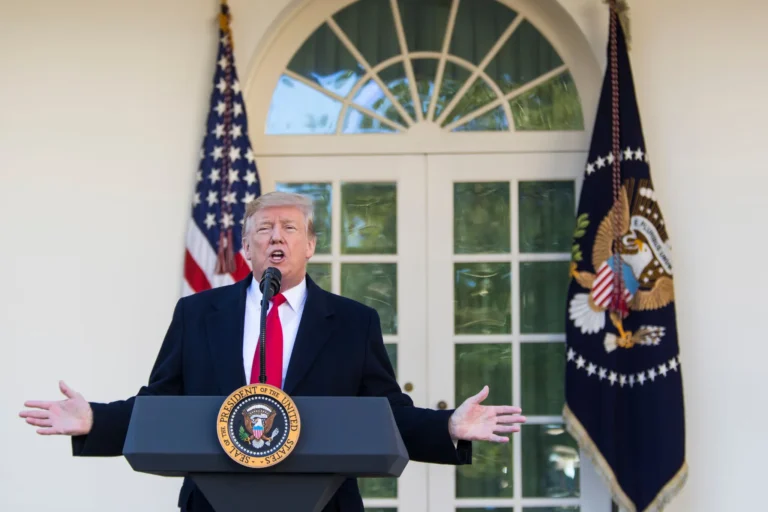
In a recent interview with PBS News, President Donald Trump stated that Lebanon is not included in the ceasefire agreement reached with Iran, attributing this exclusion to the presence of Hezbollah within the country. This remark comes shortly after the announcement of the ceasefire, which aims to reduce tensions in the region.
During the interview, Trump emphasized that while Lebanon is not part of the current deal, he assured that the situation would be addressed appropriately. The president’s comments suggest a recognition of the complexities involved in the Lebanese political landscape, particularly regarding Hezbollah, a militant group that has been designated a terrorist organization by the United States.
When pressed about Israel’s ongoing military operations in the region, Trump characterized those actions as separate from the ceasefire discussions with Iran. This distinction highlights the multifaceted nature of the conflicts in the Middle East, where various factions and nations have differing agendas and interests. Liz Landers, a PBS News Hour correspondent, conveyed this aspect of the interview on social media, indicating that Trump views Israel’s strikes as an independent issue.
The White House has also reiterated the stance that Lebanon is not a party to the ceasefire agreement. According to White House Press Secretary Karoline Leavitt, the administration is focused on the broader implications of the ceasefire with Iran while recognizing that Lebanon’s situation requires careful consideration due to its association with Hezbollah.
The announcement of the ceasefire agreement with Iran has been met with mixed reactions, particularly in light of ongoing tensions in the region. Analysts have pointed out that while diplomatic efforts are essential in reducing hostilities, the exclusion of Lebanon raises questions about the long-term stability of the area, especially given Hezbollah’s influence.
As the U.S. continues to navigate its foreign policy in the Middle East, the complexities of alliances and conflicts remain a significant challenge. The situation in Lebanon, with its intricate political dynamics and the presence of armed factions like Hezbollah, underscores the difficulties in achieving a comprehensive peace agreement that addresses all stakeholders involved.
Moving forward, the administration’s approach to Lebanon and its relationship with Iran will likely be closely scrutinized by international observers and regional experts. The evolving circumstances in the Middle East will require ongoing dialogue and strategic planning to foster a more stable and peaceful environment for all parties involved.