Trump Considers Cabinet Restructuring Amid Heightened Tensions Over Iran Conflict
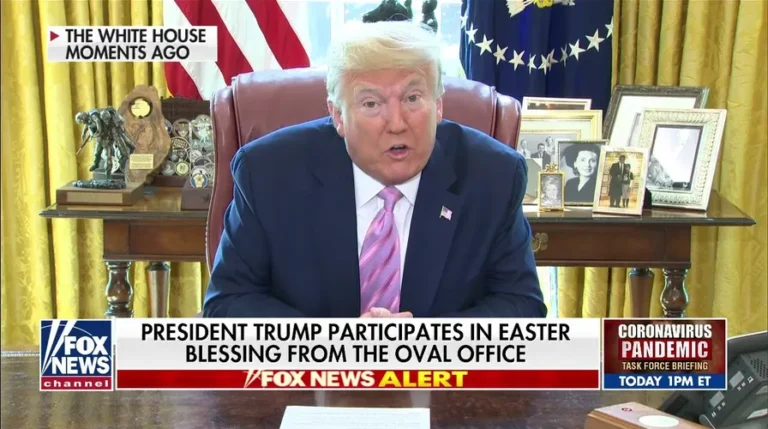
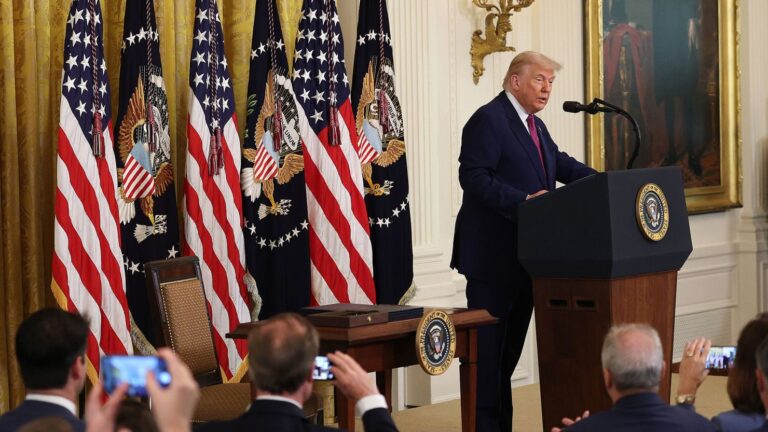
In the wake of escalating tensions surrounding the ongoing conflict with Iran, U.S. President Donald Trump is reportedly contemplating a significant reshuffling of his cabinet. This consideration follows the recent dismissal of Attorney General Pam Bondi, which has heightened concerns within the administration about the political ramifications of the war and its impact on Trump’s leadership.
Sources close to the situation indicate that the president’s dissatisfaction with his current cabinet has been mounting, particularly as the conflict with Iran has become increasingly complex and contentious. The internal discussions suggest that Trump is seeking to recalibrate his team to better navigate the challenges posed by the war and to address the concerns of both Congress and the American public.
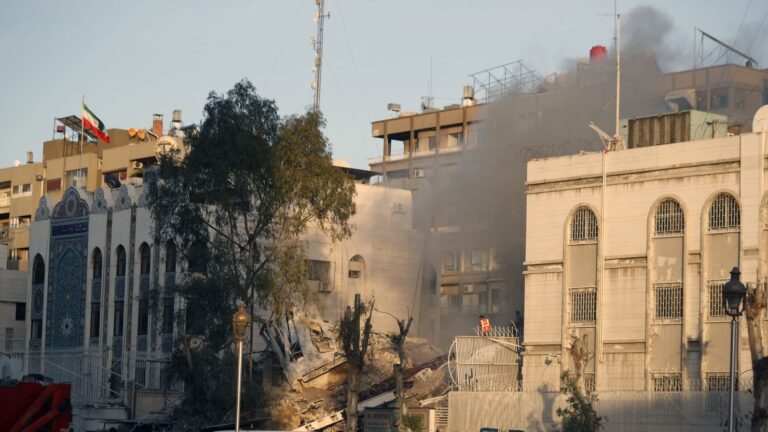
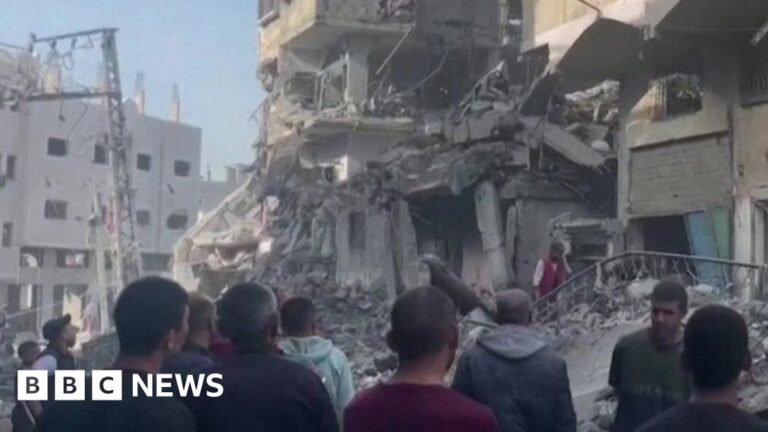
The potential cabinet changes come at a critical juncture, as the administration faces mounting criticism over its handling of U.S.-Iran relations. Lawmakers on both sides of the aisle have expressed unease regarding the direction of the war and the administration’s strategy. This unease is fueled by rising casualties and the broader implications of the conflict on national security and international stability.
In light of these dynamics, Trump is believed to be evaluating the performance of various cabinet members, particularly those whose roles directly intersect with foreign policy and defense. Discussions within the White House suggest that the president is looking for advisors who can offer fresh perspectives and strategies to mitigate the fallout from the war and improve his administration’s standing with the electorate.
The cabinet shake-up could also serve as a political maneuver in anticipation of the upcoming election cycle. By reassigning key positions, Trump may aim to project a renewed sense of direction and leadership to voters, many of whom are concerned about the ongoing conflict and its implications for domestic and international affairs.
As the administration grapples with these challenges, the implications of a cabinet reshuffle could resonate beyond the walls of the White House. The Arab-American community, among others, is closely monitoring the situation, given the significant impact U.S. foreign policy can have on the Middle East and the broader Muslim world.
The outcome of these internal discussions and any subsequent cabinet changes will likely play a crucial role in shaping the administration’s approach to the war and its efforts to maintain support from diverse constituencies, including those who advocate for a more diplomatic resolution to the ongoing hostilities.
As the situation continues to evolve, it remains to be seen how these potential changes will influence both the administration’s strategy regarding Iran and the broader political landscape as the nation prepares for the next election cycle.