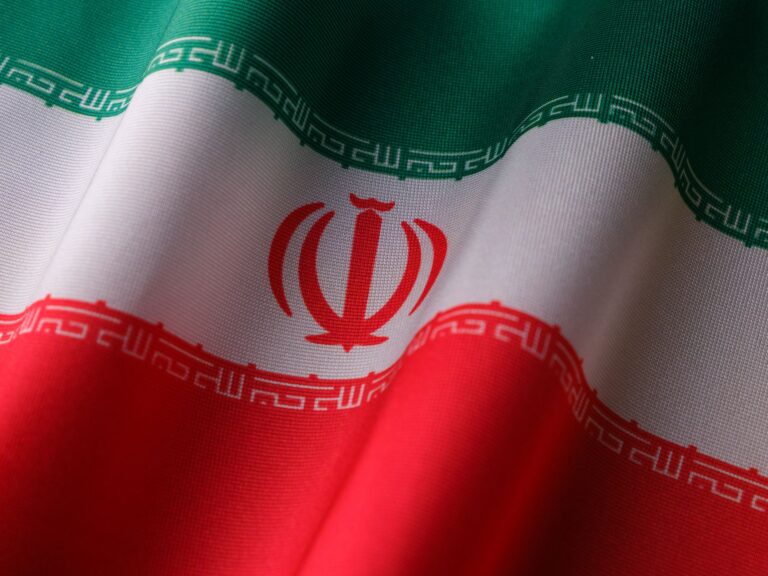
Trump Considers Restraint on Iran Military Action Amid Ongoing Tensions
In a shift from earlier aggressive posturing, President Donald Trump has reportedly communicated to his senior advisers that he may refrain from launching military strikes against Iran, provided there are no further provocations from Tehran or its allied groups, particularly the Houthis in Yemen. This development comes amidst heightened scrutiny and ongoing tensions in the Middle East.
Sources familiar with the discussions indicate that President Trump’s decision hinges on the current geopolitical climate and the actions of Iran and its proxies. Over the past months, the U.S. has witnessed a series of incidents involving Iranian forces and their allies, which have raised alarms about potential military engagement. However, the President appears to be weighing the situation carefully, opting for a more measured approach unless new provocations occur.
The Houthis, a group based in Yemen and backed by Iran, have been involved in multiple confrontations that have drawn the attention of U.S. officials. Their actions, including missile strikes and drone attacks targeting Saudi Arabia and other regional interests, have contributed to a precarious security environment. The potential for escalation remains high, and Trump’s advisers are closely monitoring these developments.
In recent weeks, the administration has faced internal debates regarding the best course of action. Some advisers advocate for military readiness to deter Iranian aggression, while others caution against escalating the conflict further, particularly given the complexity of U.S. involvement in the region. The President’s inclination to seek restraint may reflect a desire to avoid another protracted military engagement in the Middle East, a position that aligns with his previous statements regarding American troops overseas.
As tensions continue to simmer, the U.S. administration is also engaging in diplomatic efforts to address the situation. Trump has expressed interest in negotiating a new agreement with Iran, one that would address nuclear proliferation and regional stability. However, the path to a renewed dialogue remains fraught with challenges, particularly given the deep-rooted animosities and mutual distrust that characterize U.S.-Iran relations.
The situation in the Middle East remains fluid, with any developments in Iran’s actions likely to influence the Trump administration’s strategy moving forward. Observers are keenly watching for signs of further provocations, which could prompt a reassessment of military options. For now, President Trump’s stance suggests a cautious approach as he navigates the complexities of international relations and seeks to balance military readiness with diplomatic overtures.
As the world watches closely, the implications of these decisions will resonate far beyond the region, potentially impacting U.S. relations with allies and adversaries alike. The coming weeks will be critical in determining whether the President’s inclination for restraint holds firm in the face of ongoing tensions.