Trump Dismisses Iranian Initiative to Reopen Strait of Hormuz
In a notable development on the international diplomatic front, U.S. President Donald Trump has turned down an Iranian proposal aimed at reopening the vital Strait of Hormuz and ceasing ongoing conflicts in the Middle East. The proposal was presented during the recent United Nations General Assembly, where discussions surrounding regional stability and security were at the forefront.
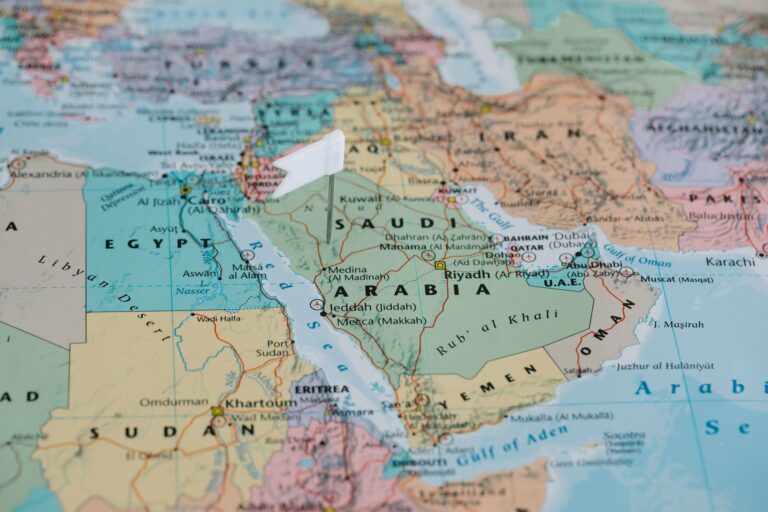
Iran’s initiative, communicated through Qatari mediators, suggested that the reopening of the Strait of Hormuz could be accomplished within a week, effectively signaling a potential de-escalation of tensions in the region. The Strait of Hormuz is a crucial maritime corridor, with a significant percentage of the world’s oil supply passing through it, making any agreement related to its status vital for global energy security.
Despite the proposal’s potential implications for regional peace, President Trump’s rejection highlights the complexity of U.S.-Iran relations, which have been marked by increasing tensions in recent years. The Iranian government had expressed optimism that this diplomatic overture could lead to constructive dialogue, but Trump’s decision underscores the entrenched positions that both nations hold regarding their respective foreign policies.
The backdrop to this rejection includes a series of confrontations between the U.S. and Iran, particularly following the U.S. withdrawal from the Joint Comprehensive Plan of Action (JCPOA) in 2018. Since then, relations have soured, with both nations engaging in a war of words and military posturing in the Gulf region. Trump’s administration has consistently emphasized a maximum pressure campaign aimed at curbing Iran’s influence and its nuclear ambitions.
Iranian officials have articulated their disappointment with the U.S. response, reiterating the importance of dialogue in resolving conflicts. The proposal not only aimed to reopen the Strait but also sought to foster a broader peace framework in a region rife with conflicts, including those in Syria and Yemen.
As the situation evolves, observers are closely monitoring the implications of this diplomatic stalemate. The rejection of the Iranian proposal may lead to heightened tensions in the Gulf, particularly as military maneuvers and rhetoric continue to escalate. The international community remains watchful of the developments surrounding the Strait of Hormuz, given its strategic significance and the potential impact on global oil markets.
In the wake of this diplomatic setback, the prospects for renewed discussions between the U.S. and Iran appear uncertain. Analysts suggest that both nations may need to reconsider their approaches to foster an environment conducive to dialogue and reduce the risks of further military confrontations. The events at the United Nations serve as a reminder of the complexities involved in Middle Eastern diplomacy, where historical grievances and geopolitical interests intersect.