Trump Engages National Security Team on New Proposal Regarding Iran
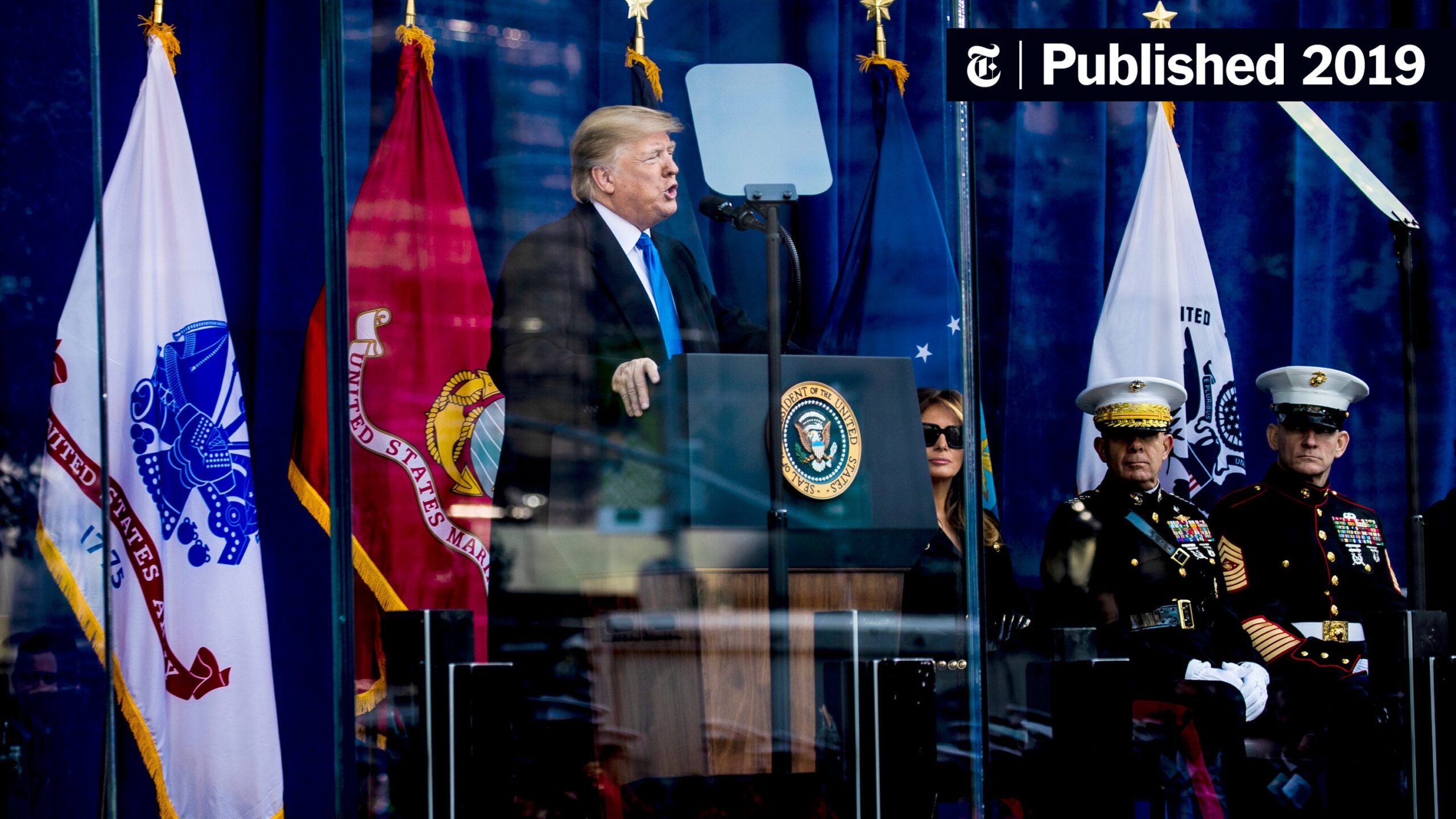
In a recent meeting with his top national security advisors, President Donald Trump explored a new proposal aimed at addressing ongoing tensions with Iran. This discussion took place on Monday, as reported by White House Press Secretary Karoline Leavitt during a briefing with reporters.
The proposal under consideration suggests opening the strategic Strait of Hormuz, a crucial maritime passage for global oil shipments, while postponing discussions about Iran’s nuclear program to a later date. This approach aims to ease immediate tensions and facilitate a more stable environment in the region. However, during the briefing, Leavitt refrained from sharing her personal views on the proposal.
Leavitt did emphasize that the president’s core requirements regarding Iran remain unchanged. While specifics of these demands were not detailed during the press conference, they likely relate to concerns over Iran’s nuclear ambitions and regional influence, which have been longstanding issues for U.S. foreign policy.
The Strait of Hormuz has been a focal point of international maritime security, with a significant percentage of the world’s oil supply passing through this narrow waterway. Any alterations to its accessibility could have far-reaching implications for global markets and regional stability.
The renewed discussions come amidst an ongoing backdrop of complex relations between the United States and Iran, particularly concerning Iran’s nuclear program, which has been a point of contention since the U.S. withdrew from the Joint Comprehensive Plan of Action (JCPOA) in 2018. Efforts to revive the agreement have faced numerous hurdles, and the situation remains fluid.
Reactions to the proposal from various stakeholders will be critical in determining its viability. Analysts suggest that opening the Strait of Hormuz could be seen as a goodwill gesture by Iran, potentially paving the way for dialogue on its nuclear activities. However, skepticism remains on whether such measures would be sufficient to address the broader concerns surrounding Iran’s actions in the region.
As the situation develops, observers will be closely monitoring not only the responses from Iran but also the reactions of U.S. allies in the Middle East and beyond. The dynamics of international diplomacy in this context are complex, and any movement toward resolution will require careful negotiation and consideration of the interests of all parties involved.
The discussions reflect the ongoing efforts by the Trump administration to navigate a challenging geopolitical landscape while balancing national security priorities with the need for diplomatic engagement. As the administration continues to weigh its options, the outcomes of these discussions may significantly impact U.S.-Iran relations in the months ahead.