Trump Faces Challenges in Reducing U.S. Involvement in Iran Conflict
President Donald Trump is grappling with increasing difficulties in his efforts to diminish U.S. military engagement in the ongoing conflict with Iran. Recent escalations have complicated the situation, leading to a renewed cycle of tensions that makes it challenging for the administration to achieve a stable resolution.
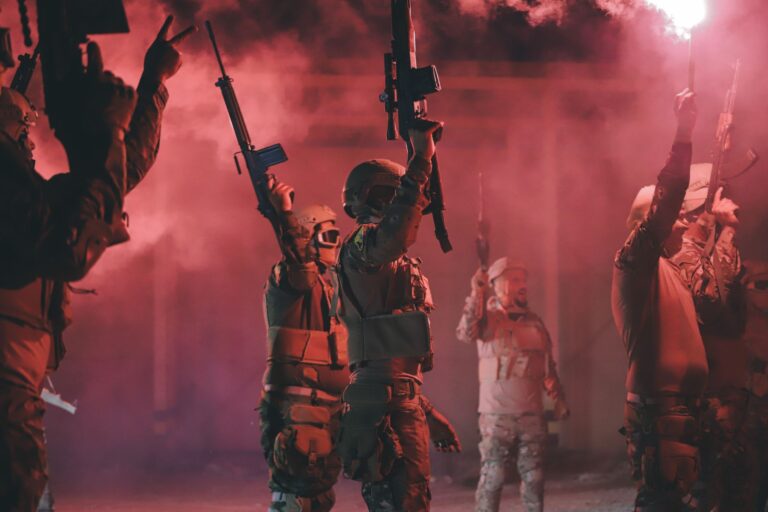
In a recent series of military exchanges, Iran launched attacks on U.S. military installations located in Bahrain and Kuwait. This response followed U.S. airstrikes that targeted Iranian positions, a move triggered by earlier assaults on commercial tankers in the strategically important Strait of Hormuz. These developments have prompted Trump to publicly declare that any interim agreements aimed at de-escalating the conflict are effectively null and void, leading to fresh military actions from the U.S. side.
The current standoff not only complicates Trump’s stated goal of reducing U.S. involvement in foreign conflicts but also raises questions about the effectiveness of continued military presence in the region. Analysts suggest that the recent exchange of hostilities reinforces the notion that long-term peace in the region remains elusive. The situation is further complicated by the fact that Trump’s administration has long faced criticism over its handling of foreign policy in the Middle East.
As the conflict intensifies, the Trump administration finds itself with limited options. Diplomatic channels, which could potentially pave the way for a resolution, are under strain. The ongoing violence undermines efforts to negotiate a ceasefire, as both sides appear entrenched in their positions. With no clear pathway to peace, the prospect of a prolonged military engagement looms large.
Moreover, the administration’s commitment to reducing troop levels in the Middle East is being tested. The increasing frequency of hostilities raises concerns about the safety of American personnel in the area and the broader implications for regional stability. Experts warn that without a strategic reassessment, the U.S. could find itself drawn deeper into a conflict that many Americans have grown weary of.
In light of these challenges, Trump’s administration must navigate a complex landscape marked by heightened tensions and the potential for further escalation. The president’s desire to pivot away from military entanglements may be thwarted by the realities on the ground, where diplomatic efforts have yet to yield meaningful results.
As the situation evolves, the focus remains on whether the U.S. can effectively disengage from the conflict without exacerbating the already volatile conditions in the Middle East. The coming weeks will likely reveal the administration’s next steps and its ability to manage the intricate dynamics of U.S.-Iran relations.