Trump Indicates Qatar and Saudi Arabia Seek Peaceful Resolution with Iran, US Prepared for Military Action
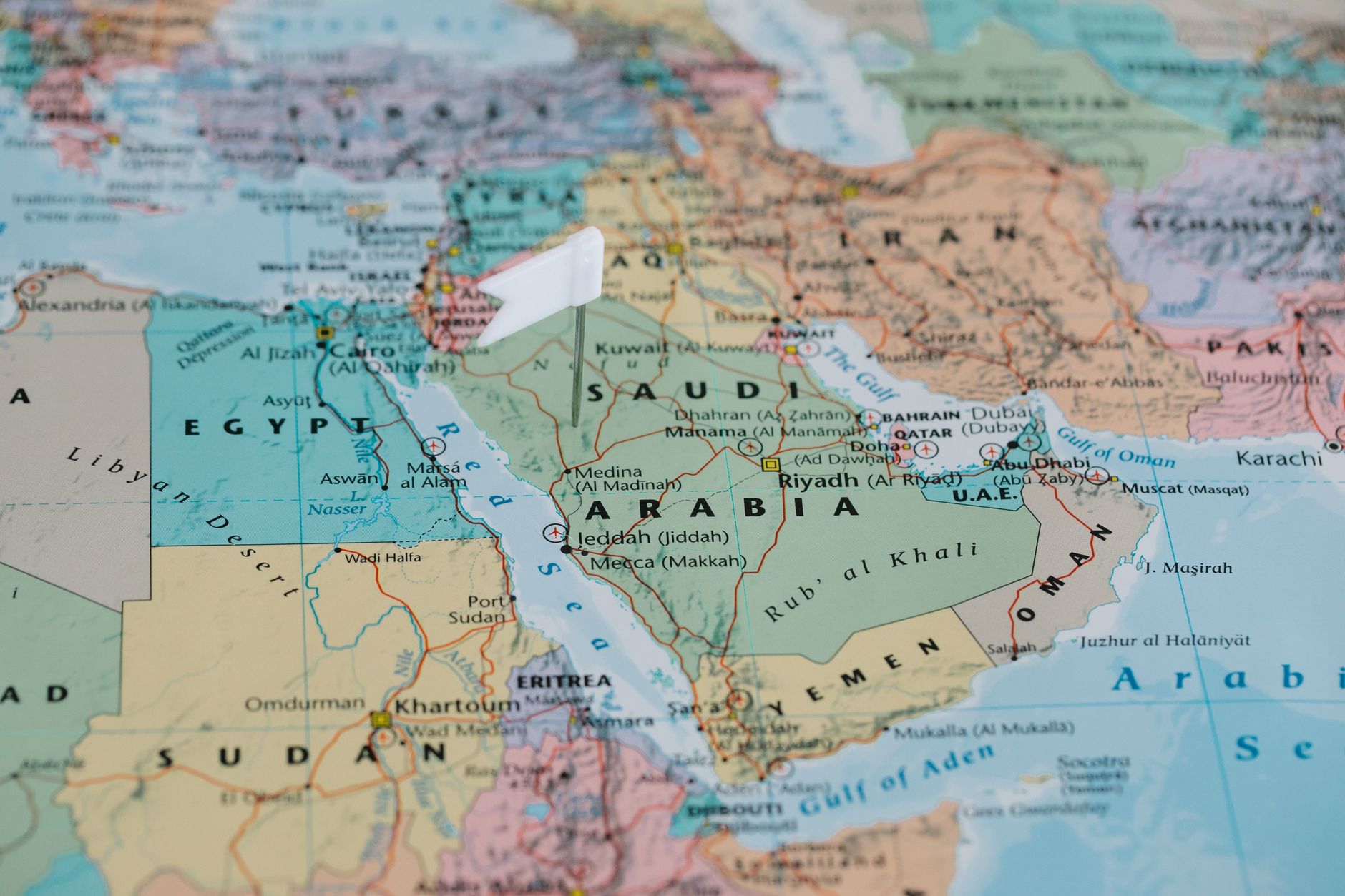
In recent statements to Reuters, President Donald Trump highlighted the willingness of both Qatar and Saudi Arabia to pursue a peaceful resolution to the ongoing tensions with Iran. During a meeting with Qatar’s Prime Minister earlier this week, Trump emphasized that both nations would prefer to avoid military conflict. However, he also made it clear that the United States remains prepared to take military action if deemed necessary.
Trump’s comments come amidst heightened concerns over Iran’s nuclear ambitions and its influence in the Middle East. The President mentioned that both Qatar and Saudi Arabia are looking for a diplomatic solution to the situation, noting, “Qatar would rather see a peaceful solution, and Saudi Arabia would rather see a peaceful solution.” His remarks reflect a broader sentiment in the region, where many leaders are wary of escalating military confrontations.
Despite expressing support for diplomatic efforts, Trump underscored the readiness of the U.S. military to respond decisively should the situation deteriorate. “We’re ready to go anytime we want,” he stated, indicating that while peace is the preferred route, the U.S. will not hesitate to act if necessary. This dual approach of advocating for diplomacy while maintaining military readiness is consistent with the U.S. administration’s strategy in the Middle East.
The remarks have sparked discussions among analysts and observers regarding the potential implications for U.S.-Middle East relations. Many are closely monitoring how the dynamics between the U.S., Qatar, and Saudi Arabia will evolve, especially in the context of ongoing negotiations over Iran’s nuclear program.
Qatar, which has positioned itself as a mediator in various regional conflicts, appears to be leveraging its relationships to foster dialogue. The Gulf nation has previously played a significant role in facilitating talks between conflicting parties in the region. Similarly, Saudi Arabia, a key U.S. ally, has been vocal about its concerns regarding Iran’s activities, which it views as a direct threat to its security.
As the situation develops, the international community will be watching to see whether diplomatic efforts can yield a sustainable resolution or if military action becomes an inevitable course of action. The balance between pursuing peace and preparing for conflict remains a challenging task for the U.S. and its allies.
The dialogue surrounding Iran’s influence in the region continues to evolve, and the outcome of these discussions will likely have significant repercussions for the geopolitical landscape in the Middle East and beyond.