Trump Invites Iran to Negotiate with the U.S.
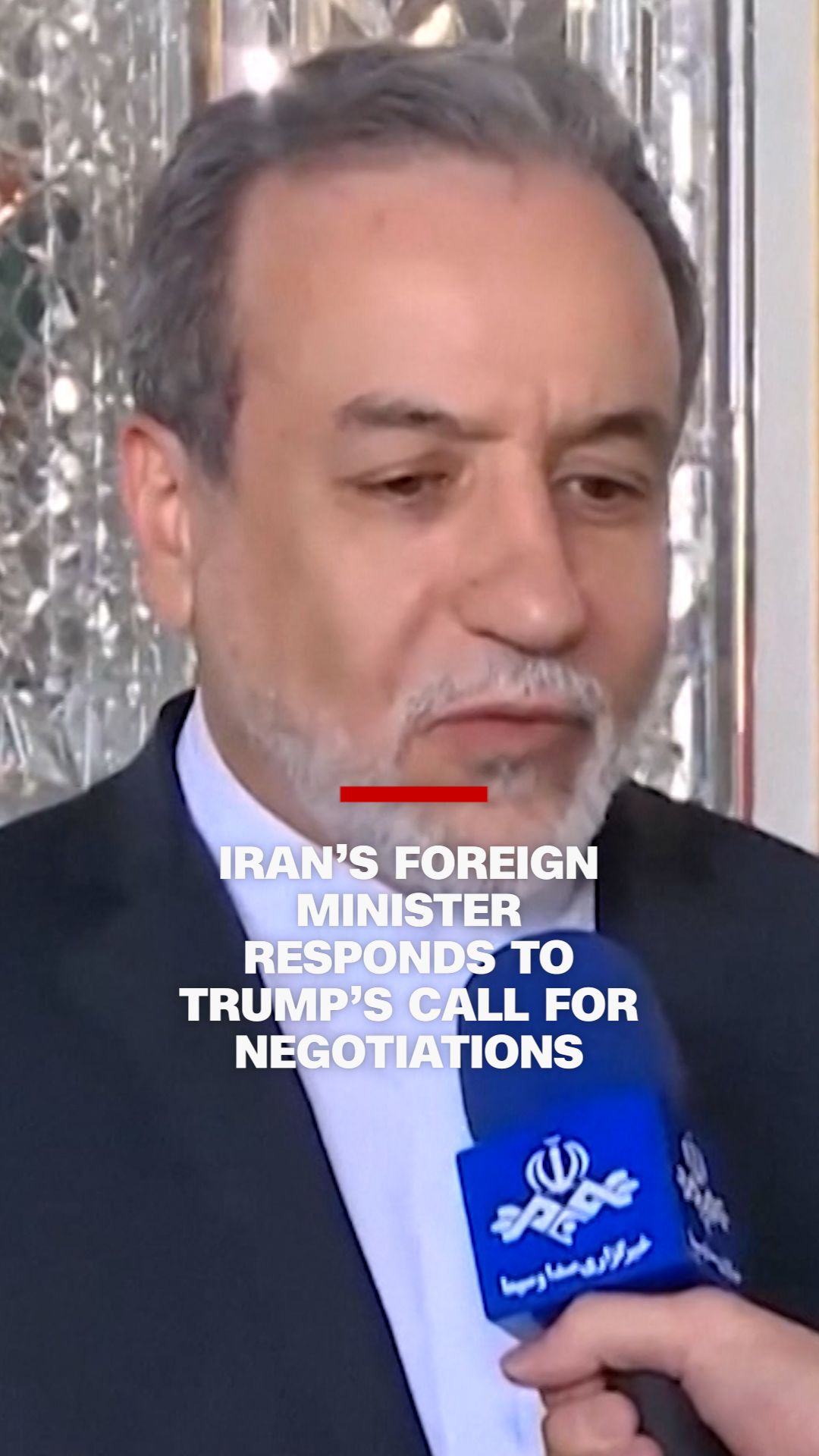
In a recent interview on Fox News, President Donald Trump extended an open invitation to Iran, suggesting that the country could initiate negotiations with the United States if it seeks to resolve ongoing tensions between the two nations. This statement was made during the program “The Sunday Briefing,” where Trump addressed various pressing issues concerning U.S.-Iran relations.
The remarks come amid heightened tensions that have characterized the relationship between the U.S. and Iran, particularly following the U.S. withdrawal from the Joint Comprehensive Plan of Action (JCPOA) in 2018. Since that time, both countries have engaged in a series of confrontations, including military skirmishes and economic sanctions that have severely impacted Iran’s economy. With the backdrop of these challenges, Trump’s comments signal a potential opening for dialogue.
During the interview, Trump emphasized that the door to negotiations remains open, stating that if Iran is willing to communicate, the U.S. is ready to listen. He noted that diplomacy is always preferable to conflict, indicating a preference for resolution through talks rather than military engagement. This approach aligns with Trump’s previous statements advocating for negotiations as a means of achieving peace.
Iran has been cautious in its response to U.S. overtures in the past, often conditioned by a desire for the lifting of sanctions and a commitment to respect its sovereignty. The Iranian leadership has maintained that any negotiations should be based on mutual respect and should not be influenced by pressure tactics. As such, any willingness from Iran to engage in talks may depend on the U.S. demonstrating a genuine commitment to easing tensions and addressing Iran’s concerns.
Analysts suggest that Trump’s invitation could be seen as a strategic move as he navigates complex international relationships while preparing for the upcoming election cycle. Engaging in negotiations with Iran may appeal to certain voter demographics who favor diplomatic solutions over military action.
The international community is closely watching the developments in U.S.-Iran relations, particularly as both countries grapple with domestic and foreign challenges. As the situation evolves, it remains to be seen whether Iran will take up the offer to negotiate and what that might mean for the broader geopolitical landscape.
In conclusion, President Trump’s recent statements reflect a willingness to engage with Iran in a dialogue aimed at reducing tensions. The response from Iran will be crucial in determining whether this invitation leads to meaningful discussions or remains a rhetorical gesture amidst ongoing hostilities.