Trump Postpones Military Action Against Iran for Two Weeks Amid Tensions
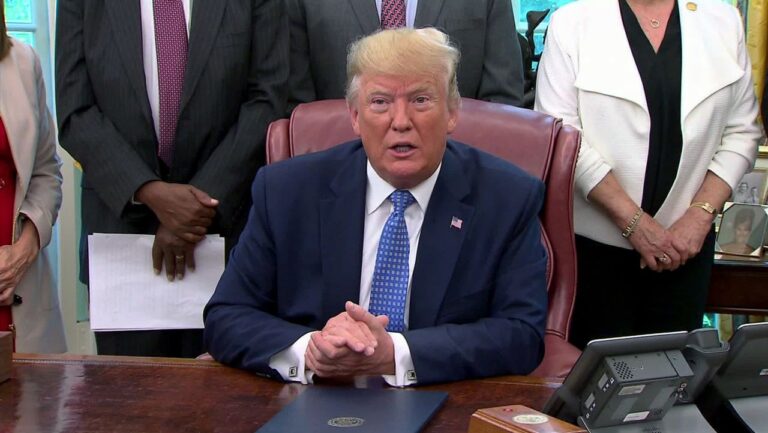
In a significant development in U.S.-Iran relations, President Donald Trump announced on Tuesday that he would temporarily halt military operations against Iran for a period of two weeks. This decision comes as tensions between the two nations have escalated over the past several weeks, marked by heightened military posturing and provocative rhetoric.
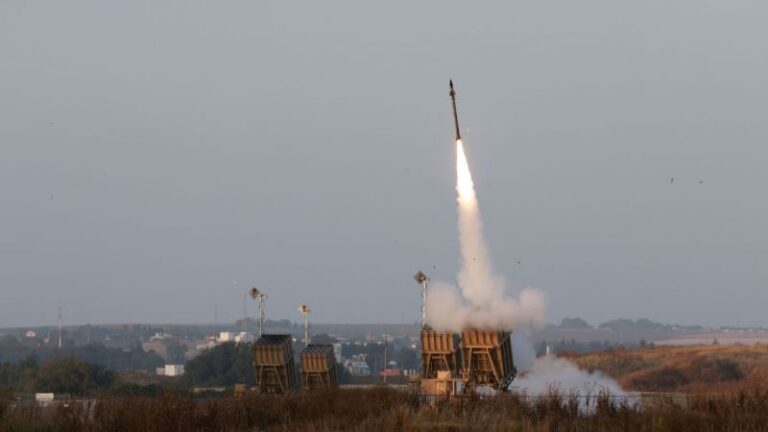
The announcement follows an intense five-week period characterized by aggressive airstrikes conducted by the United States and its ally Israel targeting Iranian positions. Trump’s declaration to pause military action comes just before an impending deadline he had set for Iran, which was to culminate in severe consequences should the situation not improve.
The President’s decision to delay military action appears to be influenced by a diplomatic proposal facilitated by Pakistan. While the specifics of the proposal remain confidential, it signifies a potential opening for dialogue amid a climate of hostility. Trump’s remarks indicate that he is seeking a resolution that involves Iran’s compliance with reopening the critical Strait of Hormuz, a vital maritime corridor through which a significant portion of the world’s oil supply is transported.
The Strait of Hormuz has long been a flashpoint in U.S.-Iran relations, and its closure or obstruction could have far-reaching implications for global oil markets and international trade. In his address, Trump reiterated the importance of the waterway, emphasizing that the U.S. would not tolerate any threats to its operation.
Iran’s response to the escalating situation has been one of defiance, with officials in Tehran asserting their right to defend their national interests. The Iranian government has consistently maintained that it will not yield to external pressure, particularly from the U.S., which it views as an adversary seeking to undermine its sovereignty.
While the temporary suspension of military action has been welcomed by some as a step toward de-escalation, concerns remain about the long-term stability of the region. Analysts suggest that without a comprehensive diplomatic framework addressing the underlying issues, the potential for renewed conflict remains high.
As the two-week period unfolds, the international community will be watching closely to see if the pause in hostilities can pave the way for meaningful negotiations. The outcome of this situation could significantly impact U.S.-Iran relations and the broader geopolitical landscape in the Middle East.
The next steps taken by both the U.S. and Iran will be crucial in determining whether this pause will lead to a lasting resolution or if tensions will resume once again.