Trump Rules Out Nuclear Action Against Iran
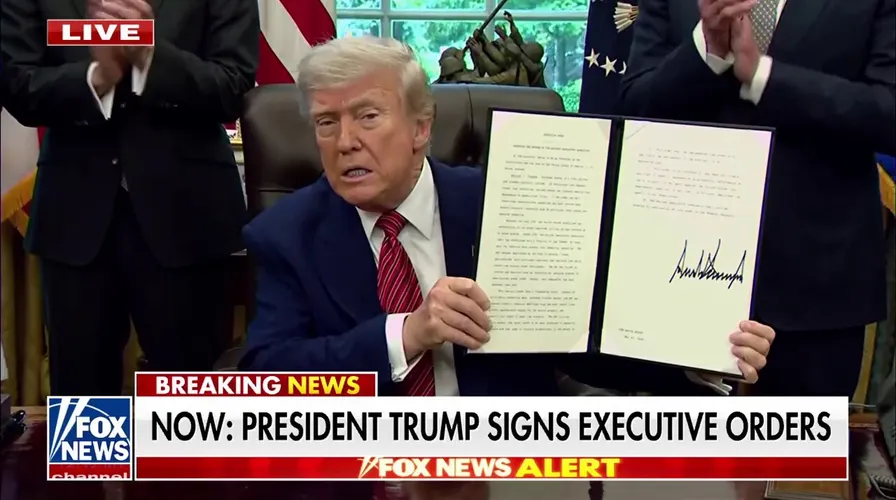
In a recent press briefing at the White House, President Donald Trump clarified his stance on the use of nuclear weapons in the context of U.S. relations with Iran. Addressing reporters, he firmly stated that he would not resort to nuclear strikes against the country, despite having previously made strong statements regarding the potential destruction of Iranian targets.
When asked about the possibility of using nuclear weapons in military operations against Iran, Trump responded decisively, “No, I wouldn’t use it.” He elaborated on his reasoning, suggesting that the U.S. has already achieved significant military success against Iranian forces through conventional means. “Why would I use a nuclear weapon when we’ve, in a very conventional way, decimated them without it?” he questioned, indicating confidence in the current military strategy.
The President’s comments come amid rising tensions between the U.S. and Iran, which have been exacerbated by a series of confrontations in the region. The U.S. has maintained a strong military presence in the Middle East, and Trump’s administration has implemented a series of sanctions aimed at curbing Iran’s nuclear ambitions and regional influence.
Trump’s remarks also reflect a broader perspective on nuclear weapons and their role in modern warfare. The President emphasized that “a nuclear weapon should never be allowed to be used by anybody,” underscoring the gravity of nuclear conflict and the global implications it entails. His stance aligns with a longstanding international consensus on the need to prevent the proliferation and use of nuclear arms.
This statement comes as part of ongoing discussions about military strategies and diplomatic efforts concerning Iran. The U.S. continues to engage in dialogue with allies and partners in the region to address threats posed by Iranian activities, particularly related to its missile program and support for militant groups.
Reactions to Trump’s comments have varied. Some analysts view his remarks as a sign of restraint, suggesting that they may help de-escalate tensions and open avenues for diplomatic negotiations. Others, however, remain skeptical, expressing concerns about the unpredictability of the Iranian regime and the potential for miscommunication in a highly volatile region.
As the situation in the Middle East evolves, the implications of Trump’s comments on nuclear policy and military strategy will continue to be closely monitored by international observers and stakeholders. The emphasis on conventional military tactics over nuclear options may signal a shift in approach, but the complexities of U.S.-Iran relations remain a critical issue for the foreseeable future.