Trump Seeks Resolution in Ongoing Conflict, Faces Challenges from Iran
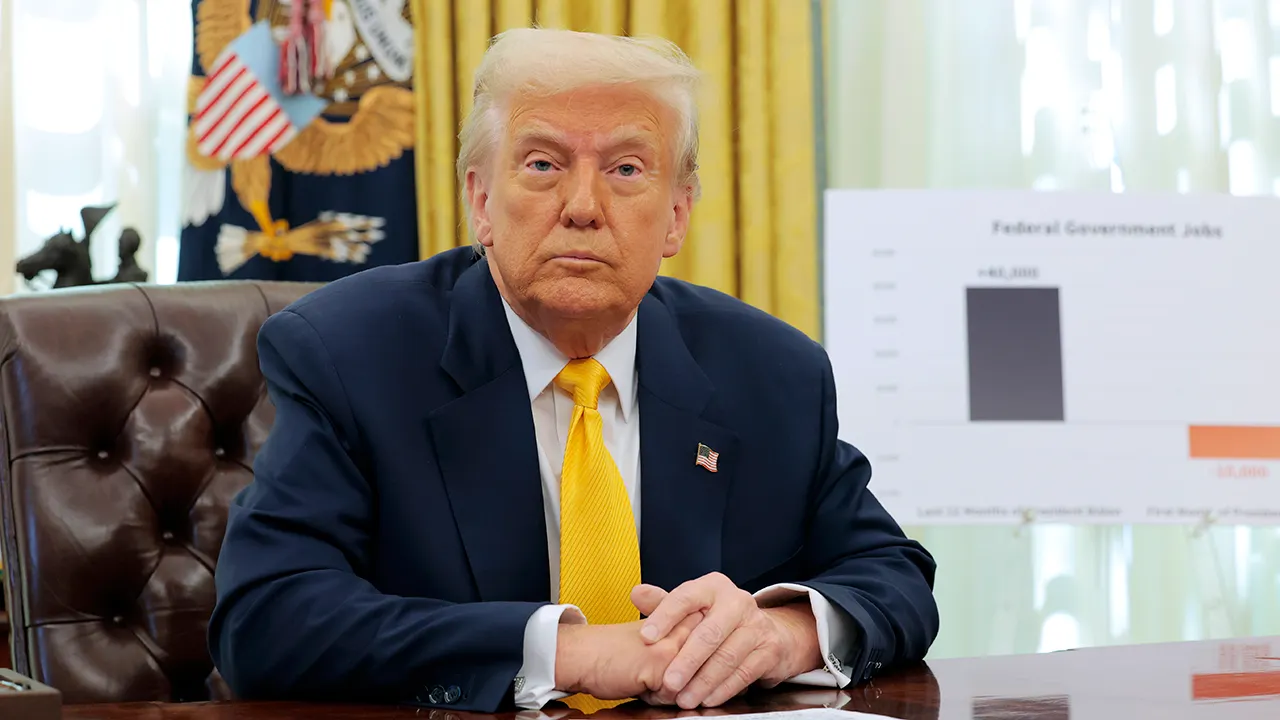
As the conflict involving Israel and the United States continues to escalate, President Donald Trump is exploring options to de-escalate the situation, particularly through an indefinite extension of the ceasefire with Iran. However, this approach faces potential roadblocks, as Tehran has indicated it may not be willing to cooperate under the current circumstances.
The ongoing conflict, which began on February 28, has seen significant military engagement, prompting calls for a resolution. The President’s strategy appears to hinge on negotiating a ceasefire that could provide a face-saving exit from what many describe as a costly war. Trump’s administration has emphasized the importance of maintaining a naval blockade in the region, which Iran views as a critical point of contention.
Iranian officials have made it clear that any consideration for an agreement to end hostilities would depend on the lifting of this blockade. The Iranian government argues that the blockade undermines their sovereignty and has significant humanitarian implications for their economy and population. As negotiations unfold, the Iranian leadership is reportedly unwilling to concede on this point, complicating Trump’s efforts to establish a framework for peace.
The geopolitical landscape surrounding the conflict is further complicated by various international stakeholders. Allies of the United States, particularly in Europe, have urged a more diplomatic approach, advocating for dialogue rather than military escalation. This call for negotiation reflects a broader concern about the humanitarian impact of the conflict, which has already resulted in significant civilian casualties and displacement.
Critics of Trump’s strategy express skepticism about the efficacy of an indefinite ceasefire, arguing that without substantial concessions from both sides, the underlying issues fueling the conflict are unlikely to be resolved. Furthermore, some analysts suggest that Iran may perceive the U.S. approach as a sign of weakness, potentially emboldening its stance rather than fostering cooperation.
As the situation evolves, Trump’s administration faces the difficult task of balancing domestic pressures for a resolution with the need to maintain a strong stance against perceived threats from Iran. The complexities of the conflict highlight the challenges of diplomacy in a region marked by deep-seated tensions and competing interests.
In summary, while President Trump seeks to carve out a path towards peace through an extended ceasefire with Iran, the likelihood of achieving a successful resolution remains uncertain. The insistence on maintaining the naval blockade adds a layer of complexity that could hinder progress, leaving both American and Iranian leaders to navigate a challenging diplomatic landscape.