Trump to Address Nation on Iran War Progress Amid Public Concerns
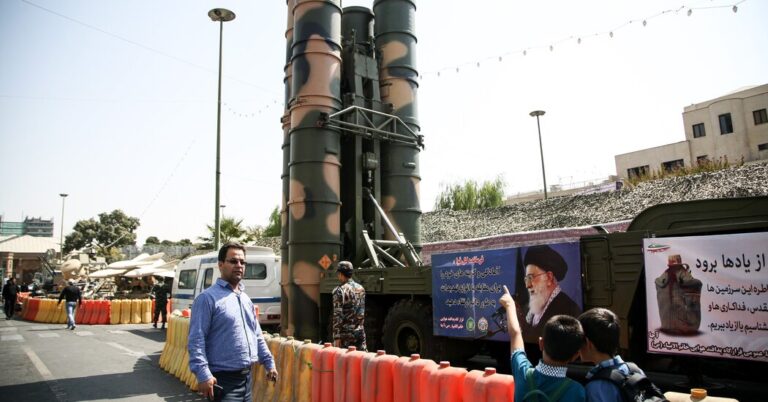
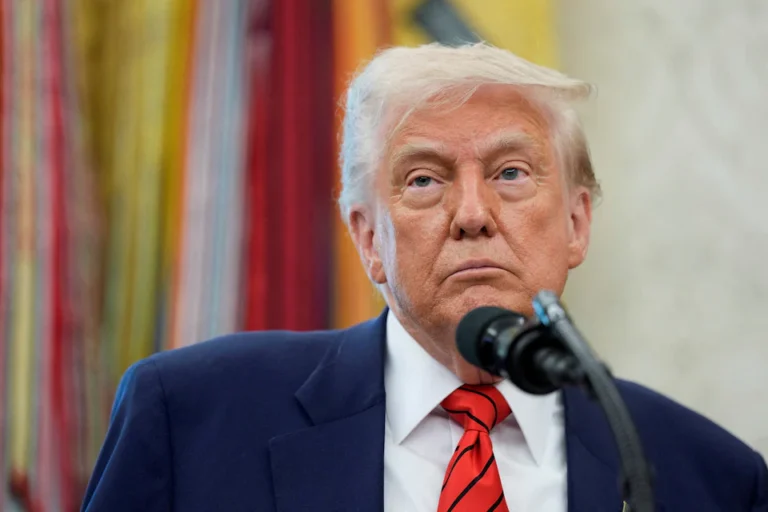
In a pivotal prime-time address scheduled for Wednesday evening, President Donald Trump plans to communicate significant developments regarding the ongoing military engagement with Iran. The address, set for 9 p.m. EDT, comes as the administration indicates a potential shift towards concluding the month-long conflict, easing growing public apprehensions about the war.
The speech is expected to outline what the administration considers to be the successful completion of its strategic objectives in the region. Officials have hinted that the President will frame the military actions taken against Iran as part of a broader effort to ensure national security and protect U.S. interests. This narrative aims to reassure a wary public that the military engagement has not been in vain.
Despite the anticipated claims of success, many Americans remain skeptical about the efficacy and necessity of the military operations. Recent polls suggest a significant portion of the population is concerned about the implications of the conflict, including the potential for escalation and its impact on American lives and resources. Critics argue that the administration has not sufficiently communicated a clear plan for a sustainable resolution, leaving citizens uncertain about the long-term consequences of continued military involvement.
In preparation for the address, the administration has emphasized its commitment to transparency, aiming to provide a comprehensive overview of the military’s achievements and future steps. This approach is intended to address the concerns of citizens who have expressed doubts about the justification for the engagement and its alignment with American values.
While some lawmakers have voiced support for the President’s approach, others have called for a more cautious stance, advocating for diplomatic solutions over military ones. These divisions within Congress reflect a broader national debate on the best course of action regarding U.S. involvement in foreign conflicts, particularly in the Middle East.
As the President prepares for his address, the administration continues to monitor the situation closely, balancing international pressures with domestic expectations. The outcome of this speech could play a significant role in shaping public opinion and influencing future policy decisions as the U.S. navigates its relationship with Iran and the broader geopolitical landscape.
With the nation poised for the address, many are eager to hear how the President plans to articulate the complexities of the situation and what this means for the future of U.S. military operations abroad. The outcome of this address may serve as a barometer for the administration’s ability to unify public support around its foreign policy initiatives in these turbulent times.