Trump: U.S. Blockade of Strait of Hormuz Will Take Time to Implement
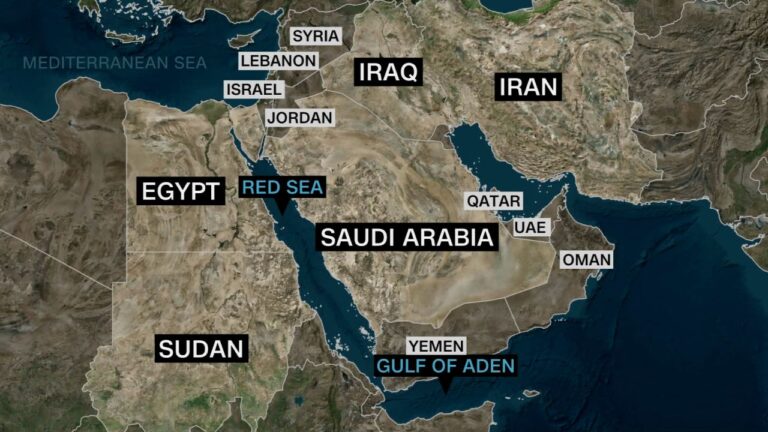
In a recent interview with Fox News, President Donald Trump addressed the timeline for the United States’ plan to establish a blockade of the Strait of Hormuz, emphasizing that the implementation will require some time. The Strait of Hormuz is a critical maritime passageway that connects the Persian Gulf to the Gulf of Oman, and it is a vital route for global oil transportation.
During the segment on “Sunday Morning Futures with Maria Bartiromo,” Trump elaborated on the complexities involved in executing the blockade. While he did not provide specific details about the operational aspects or the exact timeline, he reiterated the importance of the measure in safeguarding U.S. interests and ensuring the security of international shipping routes.
The announcement of the blockade comes amidst rising tensions in the region, particularly concerning Iran’s activities and its impact on global oil supplies. The Strait of Hormuz is strategically significant, with a considerable percentage of the world’s oil passing through this narrow channel. The U.S. government has expressed concerns about disruptions to this critical artery, which could have far-reaching implications for global markets.
President Trump’s comments reflect the administration’s ongoing commitment to exerting pressure on Iran, following a series of sanctions aimed at curtailing its influence in the region. The U.S. has been vocal about its stance on Iran’s nuclear program and its involvement in regional conflicts that threaten stability.
While the specifics of the blockade remain unclear, some analysts suggest that this could heighten tensions between the U.S. and Iran. Observers are closely monitoring the situation, as any significant military or economic maneuvers in the Strait of Hormuz could provoke a response from Tehran, further complicating an already volatile geopolitical landscape.
In the context of these developments, the U.S. is also working closely with its allies in the region to reinforce maritime security. This includes potential joint operations to ensure safe passage for vessels navigating through the Strait. The cooperation among allied nations underscores a collective effort to deter any aggressive actions that could disrupt the flow of oil and other goods.
As the situation evolves, the international community remains watchful. The outcome of the U.S. blockade strategy will not only affect the dynamics in the Middle East but also have significant implications for global energy markets and international relations. The public and stakeholders await further clarification from the administration regarding the next steps and the broader strategy behind this military maneuver.