Trump’s Threat to Iran Shocks Global Leaders, Unnerves Some Republicans
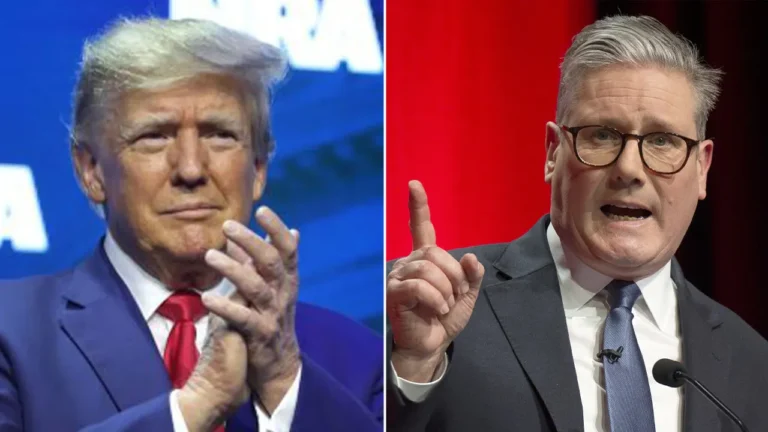
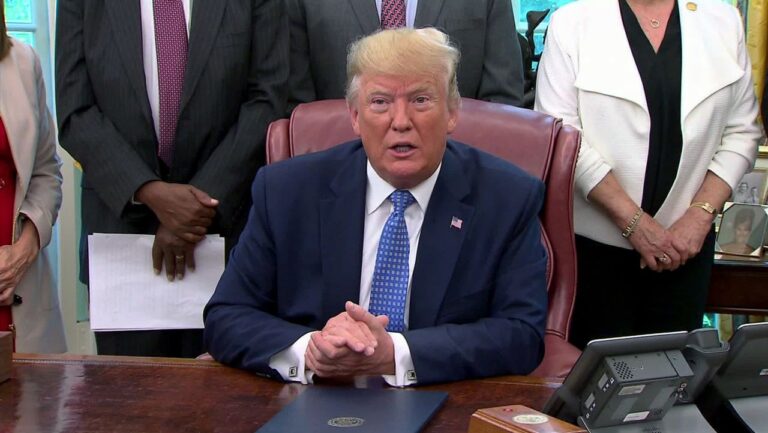
In a striking escalation of rhetoric, President Donald Trump issued a stark warning to Iran, threatening to unleash destruction if the nation does not comply with his administration’s demands. This statement has reverberated throughout the international community, eliciting strong reactions from global leaders and causing concern among some Republican lawmakers and party allies.
During a speech, Trump emphasized that Iran must make significant changes to its behavior or face severe consequences. While the president’s aides characterized the remarks as a strategic negotiating tactic aimed at pressuring Tehran, many observers are interpreting the language as a dramatic shift in U.S. foreign policy toward the Middle Eastern nation.
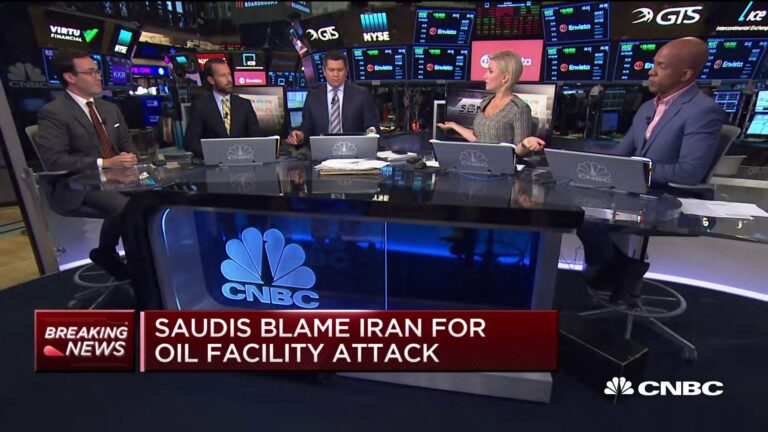
Responses to Trump’s warning have been swift and varied. European leaders, who have been advocating for diplomatic engagement with Iran, expressed alarm at the aggressive tone. The European Union emphasized the necessity of dialogue and expressed hope that tensions could be resolved through peaceful means rather than threats of violence. Meanwhile, leaders from countries in the Middle East reacted with caution, concerned that escalating rhetoric could lead to miscalculations and further destabilization in an already volatile region.
Within the United States, Trump’s comments raised eyebrows among some Republican officials. While many in the party continue to support a tough stance on Iran, others worry that such fiery rhetoric could alienate allies and complicate international relations. Some aides and political analysts believe that while a hardline approach may resonate with Trump’s base, it risks undermining broader strategic interests in the area.
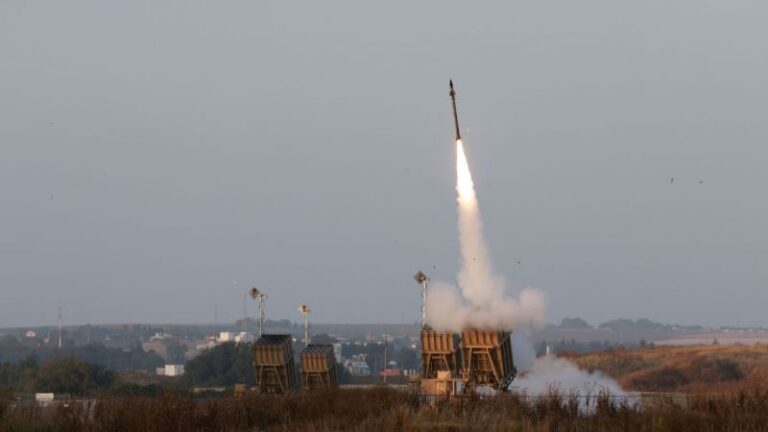
Critics of the administration have also raised concerns that this aggressive posture could lead to military confrontation, jeopardizing not only U.S. troops stationed in the region but also creating broader implications for global security. The prospect of renewed conflict has led to calls from some quarters for a more measured approach to U.S.-Iran relations, advocating for diplomacy over threats.
As the situation unfolds, the administration faces the challenge of balancing its hardline stance with the need for international cooperation to address various issues, including Iran’s nuclear program and its role in regional conflicts. Observers will be closely monitoring how this situation progresses and whether the administration will shift its tone or continue to escalate tensions with Tehran.
As global leaders and U.S. lawmakers navigate the fallout from Trump’s remarks, the potential for a diplomatic resolution remains uncertain. The coming weeks will be crucial in determining the trajectory of U.S.-Iran relations and the broader implications for peace and stability in the Middle East.