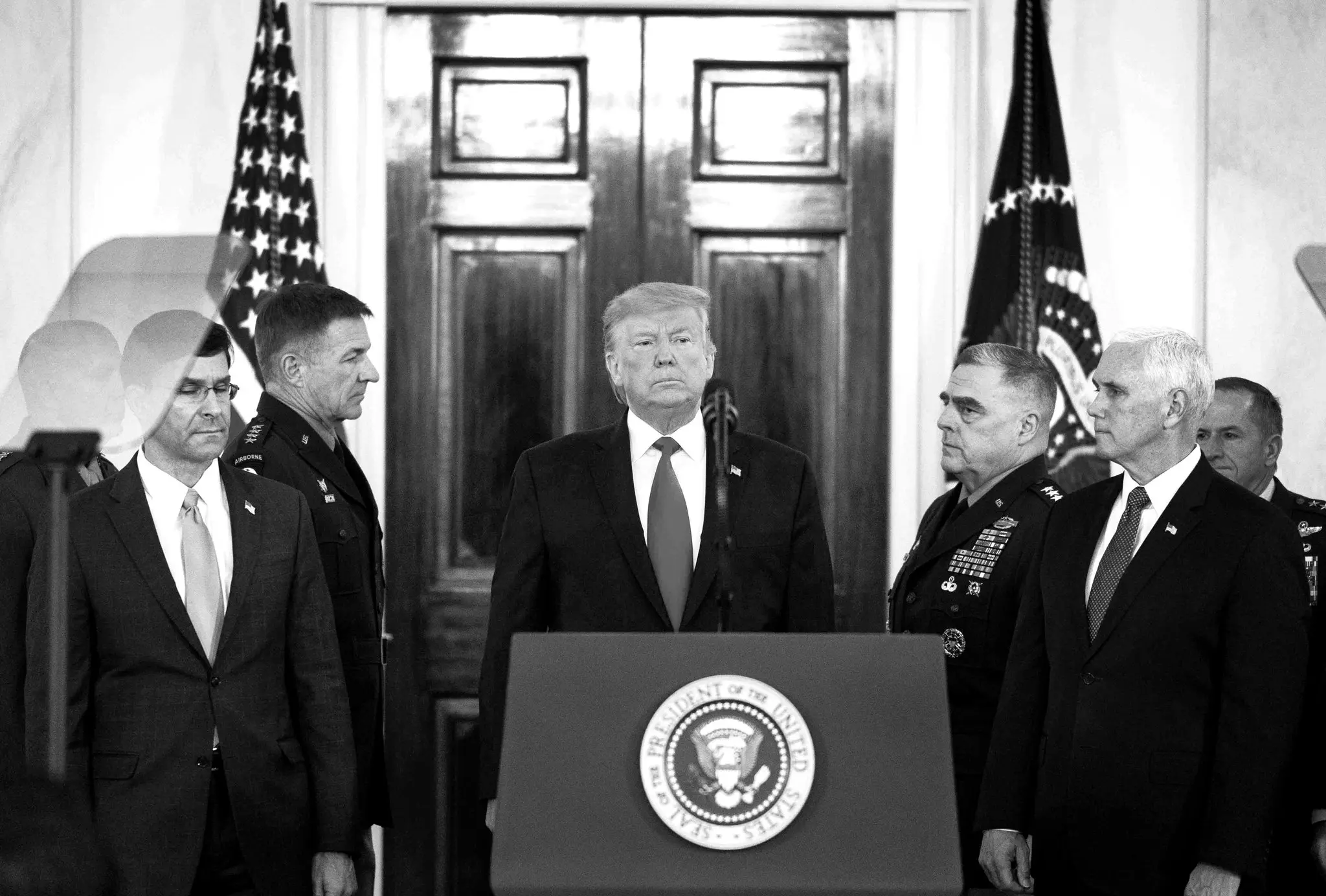
Trump’s Unexpected Shift on Iran Policy Raises Eyebrows
In a striking turn of events, President Donald Trump has made a significant policy reversal regarding Iran, a move that has captured the attention of international markets and global observers alike. This latest shift is not just another instance of Trump’s unpredictable governance style; it represents one of the most pronounced changes in his approach to foreign affairs since taking office again last year.
Since his return to the presidency, Trump has often emphasized his inclination to lead based on instinct rather than established diplomatic protocols. This approach has led to a series of contradictory statements concerning U.S. objectives in the Middle East. Recently, he expressed a desire to end military engagement in the region, stating that the conflict would conclude when he “felt it in his bones,” a phrase that underscores his unconventional method of decision-making.
The abrupt change in Trump’s stance on Iran has generated a mix of reactions from political analysts and foreign policy experts. Critics argue that such unpredictability undermines U.S. credibility on the global stage, while supporters claim it reflects a necessary departure from traditional diplomatic norms that have not yielded results. The skepticism surrounding Trump’s foreign policy decisions is compounded by a history of erratic announcements, leading many to question the long-term implications of his latest comments.
This new direction on Iran comes amid ongoing tensions in the region, particularly concerning nuclear negotiations and military posturing. Observers note that Trump’s past actions, including the withdrawal from the Iran nuclear deal in 2018, have left a complicated legacy that complicates the current diplomatic landscape. The challenge now lies in navigating these complexities as the U.S. seeks to re-establish its role as a key player in Middle Eastern affairs.
Furthermore, the potential impact of this policy shift extends beyond Iran itself. Neighboring countries and allies are closely monitoring the situation, as any significant change in U.S. policy could reverberate throughout the region. The uncertainty surrounding Trump’s intentions raises crucial questions about the future of U.S.-Iran relations and the broader implications for regional security.
As the situation unfolds, it remains to be seen how this latest U-turn will influence ongoing discussions with Iran and affect the U.S.’s relationships with its allies in the Middle East. For many Arab-American communities, the implications of U.S. foreign policy in the region are deeply personal, making it crucial to stay informed and engaged as developments continue to emerge. The evolving narrative underscores the need for clear communication and strategic planning as the U.S. grapples with the complexities of Middle Eastern politics.