Turkey Political Crisis Deepens as Opposition Stands Firm Against Court Ruling
The political landscape in Turkey is becoming increasingly fraught as opposition parties respond defiantly to a controversial court ruling that has removed their leader from power and invalidated a recent congress. The ruling, described by many as unprecedented, has raised concerns among critics who believe it is a strategy to extend President Tayyip Erdogan’s long-standing authority over the nation.
In a move that has sparked outrage among opposition groups, Turkey’s highest court announced its decision earlier this week, declaring the leadership of the main opposition party, the Republican People’s Party (CHP), invalid. This ruling not only displaces the party’s leader but also renders the decisions made during the congress void, which many see as a blatant attempt to weaken the opposition ahead of upcoming elections.
Leaders from the CHP, alongside members of other opposition parties, have vowed to resist this ruling, viewing it as a direct assault on democracy and a clear sign of the ruling party’s intentions to consolidate power. They argue that this judicial decision undermines the electoral process and threatens the foundation of Turkey’s democratic institutions.
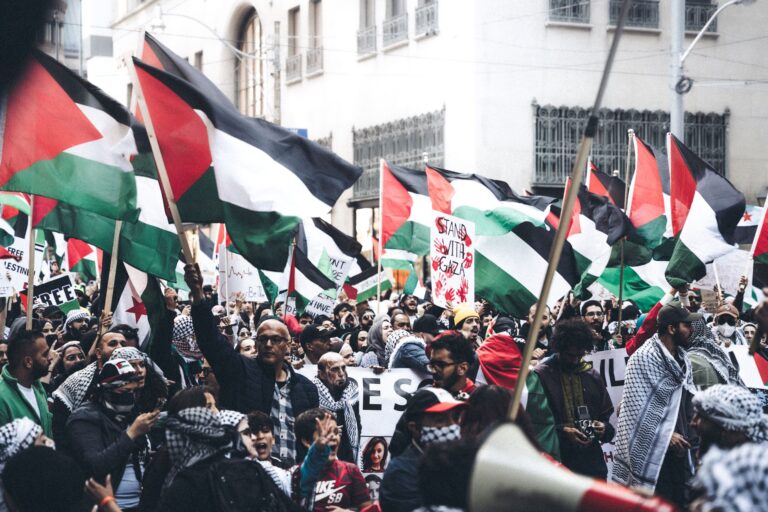
Kemal Kılıçdaroğlu, the ousted leader of the CHP, has been a vocal critic of President Erdogan’s administration, particularly regarding issues of corruption and the erosion of democratic norms. He has called upon supporters to remain steadfast and mobilize against what he describes as a “dictatorial” regime. Kılıçdaroğlu’s supporters have organized protests across the country, expressing their dissatisfaction with the ruling and demanding an end to the perceived political oppression.
Political analysts suggest that this ruling could be part of a broader strategy by the Erdogan administration to eliminate any significant threats to its power, especially as the nation approaches critical elections. The CHP has historically been the primary challenger to Erdogan’s Justice and Development Party (AKP), and the ruling may be an attempt to fracture the opposition’s unity.
Responses from international observers have also been critical, with many calling for the protection of democratic processes in Turkey. Various human rights organizations have expressed concern over the implications of the ruling and its potential to further stifle dissent and political pluralism in the country.
As the situation unfolds, the opposition’s resilience will be tested. The upcoming months could prove pivotal as they rally their base and strategize their next moves to counteract what they see as an authoritarian drift in Turkish politics. With the stakes high, the political crisis in Turkey appears far from resolution, leaving citizens and observers alike watching closely as events develop.