U.S. Approves $5 Billion Arms Sale of Precision Munitions to Saudi Arabia
In a significant development in U.S.-Saudi relations, the U.S. State Department has authorized a potential sale of Joint Direct Attack Munitions-Extend Range (JDAM-ER) to Saudi Arabia, estimated at $5 billion. This decision, announced on September 4, marks a notable expansion of military cooperation between the two nations.
The JDAM-ER is an advanced weapon system designed to enhance the precision and effectiveness of aerial bombardments. This capability is expected to bolster Saudi Arabia’s defense posture, particularly in a region characterized by ongoing conflicts and security challenges. Boeing has been designated as the principal contractor for this sale, indicating the company’s role in providing the necessary technology and support for the munitions.
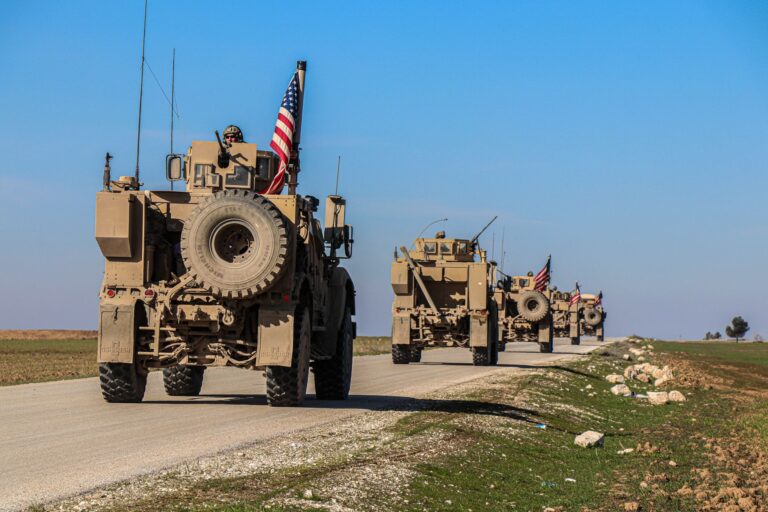
Additionally, the State Department has greenlighted a separate potential sale of AGT-1500 engines to Saudi Arabia, estimated at $750 million, with Honeywell as the principal contractor for that transaction. The AGT-1500 engine is notably utilized in the M1 Abrams tank, enhancing the operational capabilities of one of the key armored vehicles in Saudi Arabia’s military arsenal.
These arms deals are part of a broader strategy by the U.S. to strengthen its partnerships in the Middle East, especially amid shifting geopolitical dynamics. The approval reflects the ongoing commitment of the United States to support its allies in maintaining stability and security in the region.
The announcement comes at a time when Saudi Arabia is actively involved in various military operations, particularly concerning regional threats and its role in the ongoing conflict in Yemen. The JDAM-ER’s precision capabilities are expected to provide Saudi forces with enhanced targeting options, potentially reducing collateral damage in conflict zones.
Critics of U.S. arms sales to Saudi Arabia have raised concerns regarding human rights issues and the implications of increased military capabilities in a volatile region. They argue that enhanced military support could exacerbate existing conflicts and contribute to humanitarian crises. In response, U.S. officials have emphasized that these arms sales are conducted with stringent oversight and are intended to promote regional stability and deter aggression.
As the U.S. moves forward with these arms sales, the implications for regional security, humanitarian conditions, and U.S.-Saudi relations will be closely monitored. The ongoing dialogue between the two nations emphasizes the importance of balancing military support with considerations of human rights and the broader impacts of military engagement in the Middle East.
The potential sales reflect a commitment to maintaining strong ties with Saudi Arabia while navigating the complexities of regional dynamics and international relations.