U.S. Conducts Daring Rescue Mission in Iran Amid Tensions Over Strait of Hormuz
In a dramatic military operation, U.S. special forces successfully rescued an airman from deep within Iran, as escalating tensions between the United States and Iran continue to dominate headlines. This high-stakes mission has drawn significant attention, especially following President Donald Trump’s stern warning to Tehran regarding the vital Strait of Hormuz.
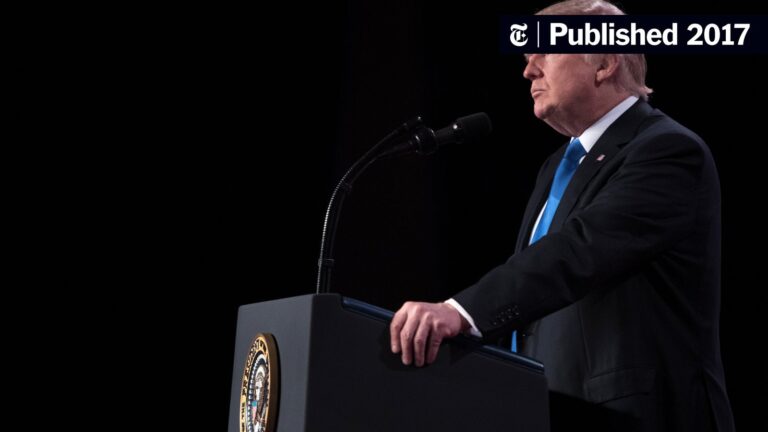
The operation took place in the early hours of Sunday, with President Trump announcing the rescue via social media. He hailed the mission as “one of the most daring” in the history of U.S. military operations, underscoring the complexities and risks involved in conducting such an operation within Iranian territory.
The rescue comes at a time of heightened geopolitical tension, particularly concerning the Strait of Hormuz, a critical waterway through which a substantial portion of the world’s oil supply is transported. President Trump has made it clear that the U.S. government expects Iran to reopen this strategic passage by Tuesday, warning of severe consequences should they fail to comply. His remarks reflect a broader concern among international leaders about the implications of a prolonged closure for global oil markets and economic stability.
The airman’s identity has not been disclosed, but reports suggest that the individual was captured during a previous operation or conflict involving U.S. forces in the region. The successful extraction of the airman highlights the capabilities and readiness of U.S. military forces to respond to such crises, as well as the ongoing risks faced by personnel deployed in volatile areas.
Iran has not yet responded to the U.S. rescue operation or the President’s threats regarding the Strait of Hormuz. Historically, the Iranian government has been known to respond sharply to perceived acts of aggression from the United States, raising concerns about potential retaliatory measures.
The situation has elicited responses from various political leaders and analysts, who express a mix of apprehension and support for the U.S. actions. Some argue that such military interventions may exacerbate tensions in the region, while others contend that they are necessary to ensure the safety of American personnel and safeguard vital international trade routes.
As the deadline imposed by President Trump approaches, the international community watches closely, aware that the consequences of Iran’s response could have far-reaching implications not only for U.S.-Iran relations but also for global economic stability. The unfolding events in this tense standoff serve as a reminder of the precarious nature of security in the Middle East and the complex interplay of military and diplomatic efforts in the region.