U.S. Delegation Engages in Diplomatic Talks with Iran in Pakistan Amidst Skepticism
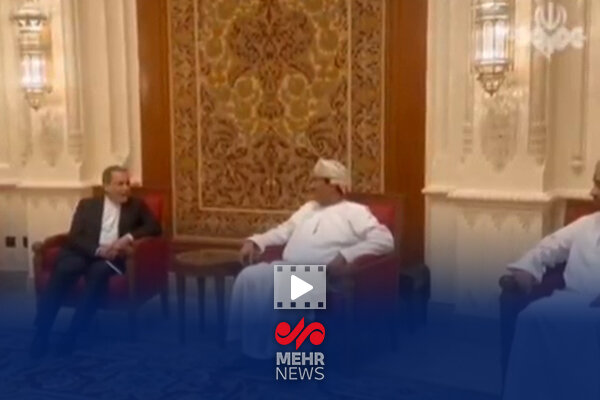
A U.S. diplomatic team, headed by Vice President JD Vance, has embarked on a mission to Islamabad for discussions with Iranian representatives this weekend. The meeting comes against a backdrop of increasing tensions, with both nations trading accusations over unmet obligations related to a temporary ceasefire.
White House officials have expressed a cautious outlook regarding the negotiations, emphasizing that the likelihood of making significant progress—especially concerning the reopening of the strategically vital Strait of Hormuz—seems low at this time. This critical waterway is essential for global oil transportation, and disruptions there can have far-reaching economic implications.
On the Iranian side, the lead negotiators have raised concerns, stating that they cannot proceed with dialogue unless there are clear commitments addressing issues related to Lebanon and the lifting of sanctions. These demands highlight the complex web of geopolitical factors that influence the talks, underscoring how interlinked regional conflicts can affect bilateral negotiations.
The U.S.-Iran relationship has been fraught with tension for decades, and the current state of affairs reflects longstanding grievances on both sides. The ongoing discussions in Pakistan are part of a broader effort to stabilize the region and seek common ground, but the atmosphere remains charged with mistrust.
In recent months, attempts at diplomacy have been challenged by escalating rhetoric and actions that have undermined confidence in both parties’ commitments. The U.S. has expressed frustration over Iran’s activities in the region, particularly its support for militant groups, while Iran has criticized American sanctions that it argues cripple its economy and hinder its sovereignty.
Experts suggest that while the meeting in Islamabad may not yield immediate results, it could serve as a platform for establishing a dialogue that could eventually lead to more constructive engagements in the future. Both nations have a vested interest in reducing tensions, particularly in regards to the rising threats in the region.
As the discussions unfold, observers will be watching closely to see if any progress can be made, or if the persistent issues will overshadow the talks. The stakes are high, not only for U.S.-Iran relations but also for the broader stability of the Middle East, which affects global security and economic interests.
The outcome of this diplomatic effort remains uncertain, but it represents a critical step in addressing the complex challenges that lie ahead for both nations and the international community.