U.S. Imposes Sanctions on 27 Iranian Airlines and International Operators
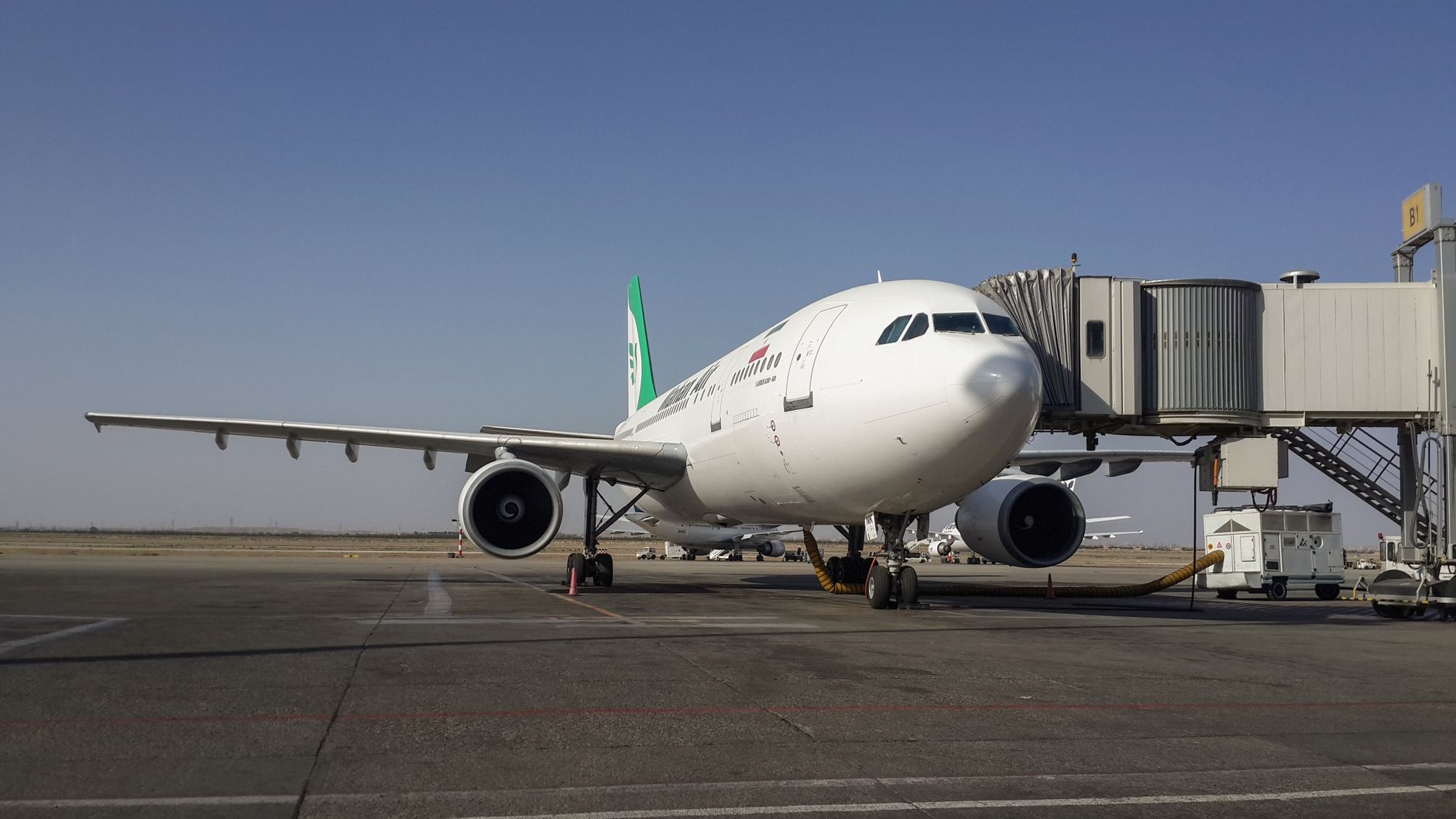
In a significant move, the United States has announced sanctions against 27 Iranian airlines and foreign operators associated with them, marking an escalation in its ongoing efforts to curb Iranian influence and activities in the region. The sanctions specifically target a range of airlines, including Mahan Air, as well as operators based in Malaysia, Turkey, Kazakhstan, and the United Arab Emirates.
The U.S. Department of the Treasury has detailed that these sanctions are part of a broader strategy to hold accountable those who support Iran’s military capabilities. According to officials, these airlines are allegedly involved in transporting military equipment and personnel to groups that the U.S. government considers terrorists, including Hezbollah and other militant organizations.
Mahan Air, one of the largest airlines in Iran, is at the center of the latest sanctions. The U.S. has long accused the airline of engaging in activities that contravene international norms by facilitating the movement of arms and fighters for Tehran’s regional allies. The Treasury’s Office of Foreign Assets Control (OFAC) stated that the airline’s operations have been instrumental in supporting Iran’s military ambitions and destabilizing actions.
The impact of these sanctions may extend beyond just the targeted airlines. The U.S. aims to disrupt Iran’s financial networks and restrict its ability to procure military resources by targeting foreign entities that collaborate with Iranian airlines. This approach emphasizes the U.S. commitment to limiting Iran’s regional influence and containing its military reach, particularly in the context of ongoing tensions in the Middle East.
Supporters of the sanctions argue that this strategy is essential for ensuring regional stability and countering the threats posed by Iran’s various proxy groups. They assert that limiting Iranian access to aviation resources will hinder its ability to project power and influence in countries such as Syria, Lebanon, and Yemen.
Critics, however, contend that such sanctions could inadvertently harm civilian air travel and impact ordinary Iranians who rely on these airlines for essential travel. They argue that the sanctions may further isolate the Iranian populace and exacerbate economic hardships, rather than achieving the intended political outcomes.
As the situation develops, the international community is closely monitoring the implications of these sanctions, particularly regarding their potential effects on diplomatic relations and regional security dynamics. The U.S. continues to assert that its actions are aimed at promoting peace and stability, while Iran has condemned the sanctions as unjust and harmful to its sovereignty.
In light of these sanctions, many in the Arab-American community are watching the evolving geopolitical landscape with concern, recognizing the complexities involved in U.S.-Iran relations and the broader implications for the region.