U.S. Military Confirms No Transfer of Missile Defense System from South Korea
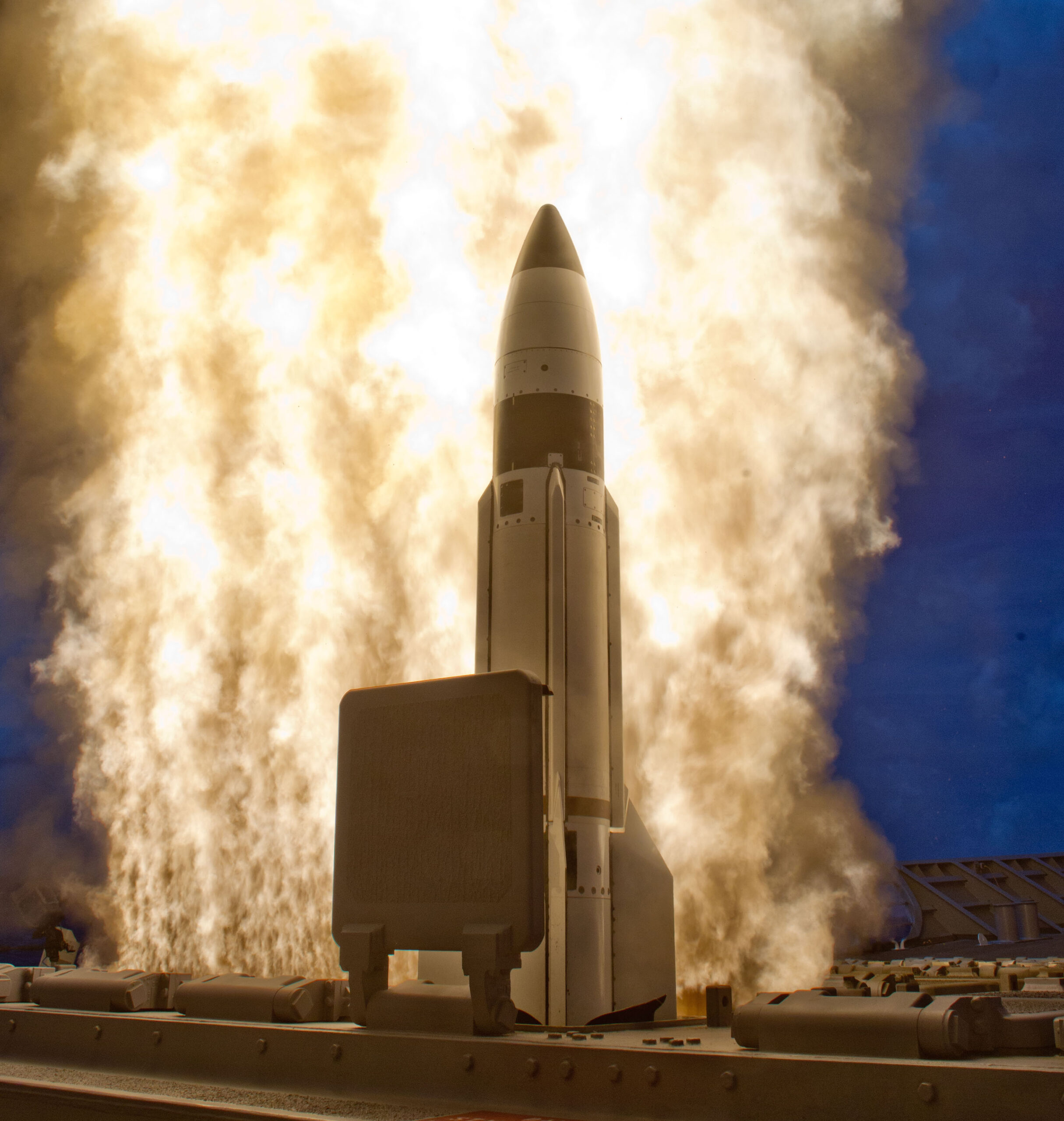
In a recent statement, the commander of U.S. forces in South Korea clarified that the United States has not relocated any components of its missile defense system from South Korea to the Middle East amid ongoing tensions regarding Iran. This announcement comes in response to earlier reports suggesting that a portion of the Terminal High Altitude Area Defense (THAAD) system was being moved as part of preparations for potential conflict in the region.
The THAAD system, which is designed to intercept ballistic missiles at high altitudes, was deployed in South Korea as a defensive measure against threats posed by North Korea, particularly its nuclear capabilities. The system has been a focal point of military strategy in the region, aimed at bolstering South Korean defenses and ensuring regional stability.
Speculation regarding the potential transfer of THAAD components was fueled by a March report from The Washington Post, which cited unnamed officials claiming that the Pentagon was considering such a move. However, the latest confirmation from U.S. military leadership indicates that there has been no change in the deployment of these critical defense assets.
The clarification comes against the backdrop of heightened geopolitical tensions and military posturing in the Middle East, particularly concerning Iran’s nuclear ambitions and its influence in the region. U.S. officials have expressed concerns over Iran’s missile capabilities, which they assert pose a direct threat to U.S. interests and allies.
The decision to maintain the THAAD system in South Korea underscores the U.S. commitment to its allies in East Asia, particularly as North Korea continues to refine its missile technology. The presence of THAAD serves not only as a deterrent against potential North Korean aggression but also reassures South Korea of U.S. support in maintaining regional security.
Analysts note that the U.S. military’s focus on stabilizing the situation in East Asia does not diminish its strategic interests in the Middle East. The complexities of U.S. military deployments reflect a balancing act between addressing immediate threats in various global hotspots.
As the situation continues to evolve, U.S. officials are likely to remain vigilant in monitoring developments in both North Korea and Iran. The military’s commitment to maintaining robust defense systems like THAAD is crucial for ensuring the safety and security of its allies, as well as for upholding U.S. interests in a rapidly changing global landscape.
This latest clarification from U.S. military leadership serves to reassure allies that the focus on regional threats will not compromise existing defense strategies, especially in the context of the longstanding challenges posed by North Korea’s aggressive posturing.