U.S. Military to Initiate Maritime Blockade Affecting Iranian Shipping
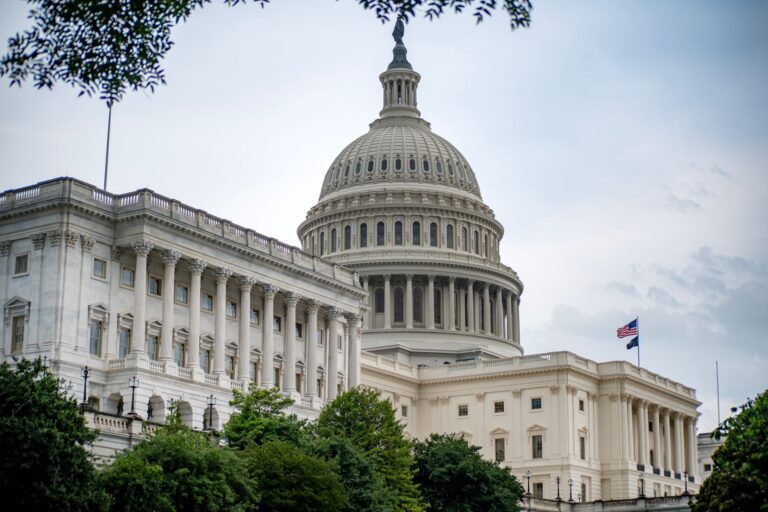
In a significant escalation of U.S.-Iran tensions, the U.S. Central Command has announced plans to enforce a blockade on all maritime traffic to and from Iranian ports. This operation is set to commence on April 13 at 10 a.m. Eastern Time, following directives from the Trump administration. The blockade specifically targets vessels navigating the Strait of Hormuz, a crucial waterway for global oil shipments.
The announcement comes amidst heightened geopolitical tensions between the United States and Iran, exacerbated by a series of military and diplomatic actions in the region. President Trump’s decision to impose this blockade reflects an ongoing strategy to exert pressure on Iran, particularly concerning its nuclear ambitions and regional influence.
The Strait of Hormuz is a pivotal maritime corridor, with a significant percentage of the world’s oil supply passing through it. The blockade is anticipated to have far-reaching implications for international shipping and energy markets, as any disruption in this area could lead to increased shipping costs and potential volatility in oil prices.
U.S. officials have justified the blockade as a necessary measure to safeguard national security and protect U.S. allies in the region. They contend that Iran’s activities, which they describe as aggressive and destabilizing, necessitate a robust response to deter potential threats. The U.S. military has noted a rise in Iranian naval maneuvers that pose risks to maritime safety and freedom of navigation.
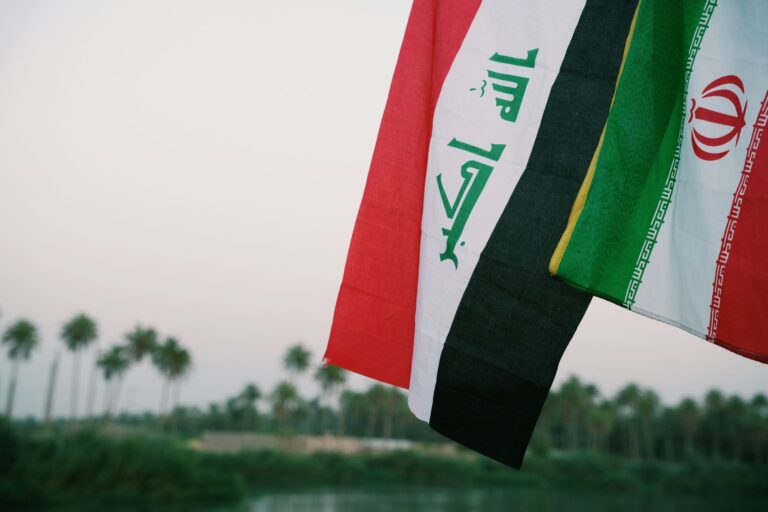
In response to the impending blockade, Iranian officials have expressed strong opposition, warning that such actions will be met with resistance. Iran’s leadership has vowed to defend its maritime interests and uphold its rights in the face of what they see as provocative U.S. actions. The Iranian government has also indicated that it may retaliate with countermeasures, raising concerns about potential military confrontations in the strategically vital region.
International reactions to the blockade have been mixed. Some countries have voiced support for the U.S. position, citing concerns over Iran’s influence and activities in the Middle East. However, others have cautioned against escalating tensions, suggesting that diplomatic avenues should be pursued instead of military blockades.
As the situation develops, global markets and stakeholders in the energy sector are closely monitoring the situation, preparing for potential disruptions to oil supply and shipping routes. The full impact of the blockade on regional stability and international relations remains to be seen, with analysts predicting that the coming weeks will be critical in shaping the future dynamics of U.S.-Iran relations.