U.S. Rescue Mission in Iran Faces Unexpected Challenges
A recent U.S. operation to rescue an American weapons specialist in Iran showcased both the skill of military personnel and the complexities of executing covert missions in hostile territories. The mission began under the cover of night, with U.S. commandos successfully infiltrating deep into Iranian territory. Their objective was to extract the stranded specialist, who was in a precarious situation.
The operation commenced smoothly, with the commandos navigating a challenging 7,000-foot ridge without being detected. This level of stealth is crucial in such missions, where any sign of intrusion can lead to significant complications. The team managed to reach their target and began the process of moving the specialist towards a predetermined rendezvous point, aiming to complete the extraction before daylight.
However, the mission faced an unexpected halt shortly after the extraction began. Details surrounding the circumstances that led to this pause remain unclear, but it highlights the unpredictable nature of such operations. Even with meticulous planning and execution, unforeseen obstacles can arise, jeopardizing the safety of those involved.
Military analysts point out that operations of this magnitude require not only tactical expertise but also adaptability to changing situations on the ground. The potential for complications is always present, especially in regions where tensions are high and the geopolitical landscape is continually shifting.
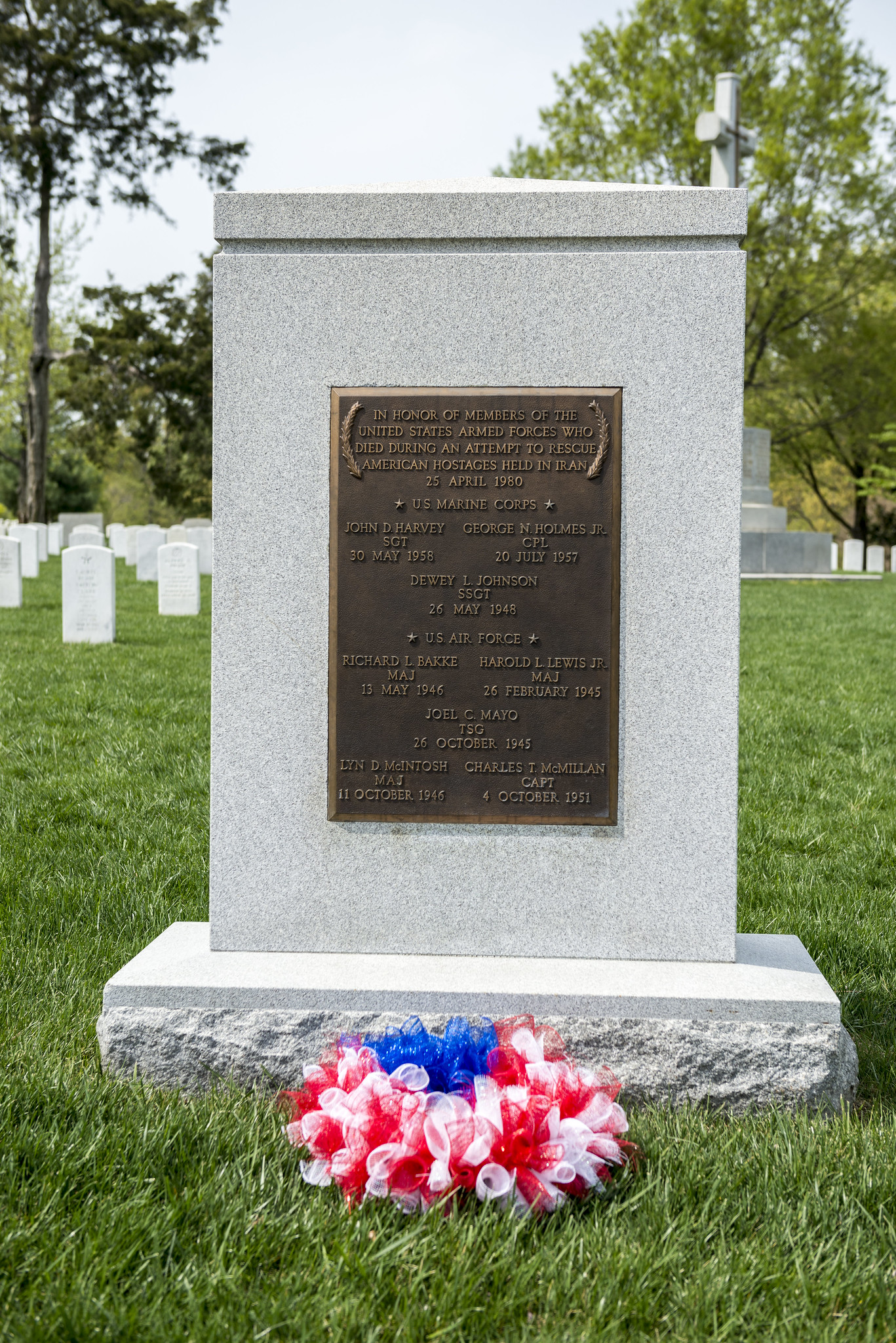
The U.S. military has a history of conducting high-stakes rescue missions, and while many have concluded successfully, others have faced significant challenges. The intricacies of these operations often remain classified, but they underscore the risks taken by servicemen and women in the name of national security.
As the situation developed, the commandos were forced to reassess their approach. Such moments are critical in ensuring the safety of both the rescue team and the individual being extracted. The command structure is designed to adapt quickly, allowing for real-time decision-making based on the evolving conditions on the ground.
In the broader context, this operation sheds light on the ongoing tensions between the United States and Iran, a relationship characterized by mutual distrust and strategic rivalry. Each incident, whether successful or not, can have far-reaching implications for diplomatic relations.
While the mission’s outcome remains to be fully disclosed, it serves as a reminder of the delicate balance between military action and diplomatic efforts in the region. The complexities of such operations emphasize the need for careful consideration and planning in future endeavors, particularly as the U.S. continues to navigate its relationship with Iran and address the safety of its citizens abroad.