U.S. Strategy Towards Iran: A Balancing Act Between Escalation and De-escalation
In a recent statement, U.S. Treasury Secretary Scott Bessent suggested that the United States may need to intensify its military actions against Iran in order to ultimately reduce its engagements in the region. This remark comes in the wake of conflicting messages from President Donald Trump regarding the direction of U.S. military operations against Iran.
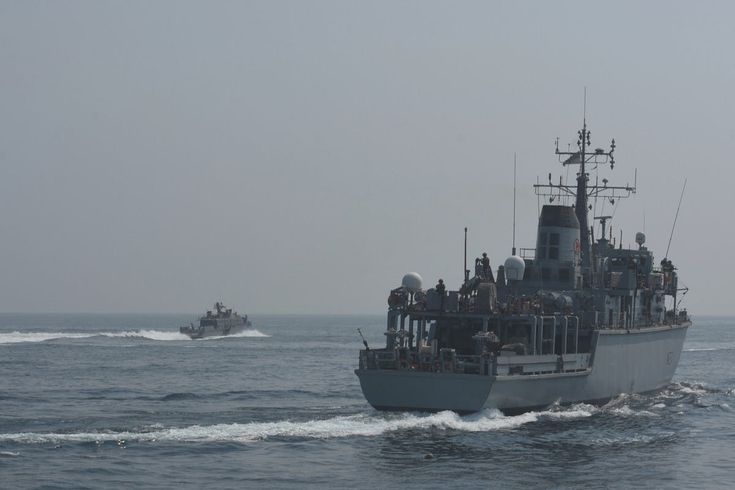
During a speech on Saturday, President Trump issued a stark warning to Iran, threatening to “obliterate” the nation’s energy infrastructure if Tehran fails to ensure the free passage of vessels through the strategic Strait of Hormuz. This threat was particularly notable given the importance of the Strait, through which a significant portion of the world’s oil supply is transported.
Just one day prior to this aggressive rhetoric, Trump had indicated that U.S. military objectives in the region were nearing completion and that he was contemplating the possibility of winding down the ongoing military campaign. This juxtaposition of statements has raised questions among observers about the administration’s overall strategy regarding Iran.
Bessent’s comments reflect an ongoing debate within U.S. decision-making circles about the effectiveness of military escalation as a means to achieve long-term stability in the Middle East. The idea of “escalate to de-escalate” suggests that increased military pressure might compel Iran to engage in negotiations or alter its behavior, ultimately leading to a reduction in hostilities.
However, critics of this approach argue that escalating military actions could exacerbate tensions and lead to further conflict, rather than bringing about the desired diplomatic outcomes. The situation remains complex, with various stakeholders in the region holding differing views on U.S. involvement and the potential consequences of military escalation.
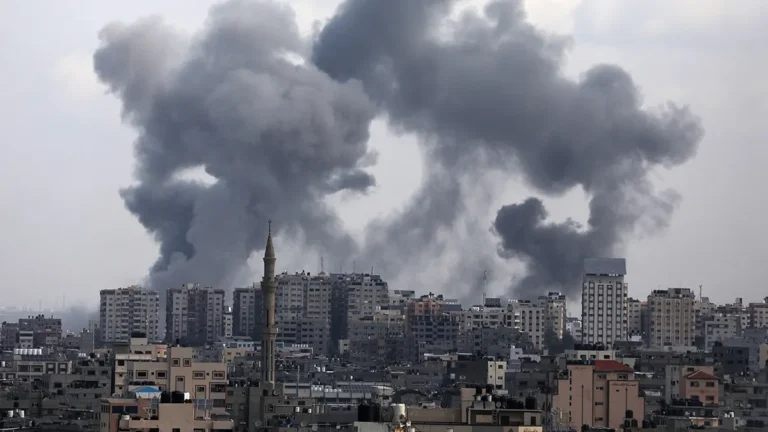
As the situation develops, many Arab-American communities are closely monitoring the implications of U.S. policy towards Iran. There is a growing concern about how these military strategies might impact not only regional stability but also the lives of civilians caught in the crossfire.
The administration’s mixed signals about military operations and diplomatic efforts have led to uncertainty regarding the long-term U.S. presence in the region. As the U.S. weighs its options, the international community will be watching closely to see how these strategies unfold and what they mean for peace and security in the Middle East.
In conclusion, while the U.S. government grapples with its approach to Iran, the balance between escalation and de-escalation remains a pivotal issue that could shape the future of U.S.-Iran relations and broader regional dynamics. The stakes are high, and the consequences of these decisions will likely be felt for years to come.