UK Finance Minister Urges G7 to Avoid Unilateral Trade Actions Amid Ongoing Iran Conflict
In a significant address to her G7 counterparts, UK Finance Minister Rachel Reeves is set to emphasize the importance of collective action among member nations in response to the ongoing conflict in Iran. As tensions escalate, Reeves will caution against the implementation of unilateral trade measures, such as new tariffs or trade barriers, which could further destabilize energy security globally.
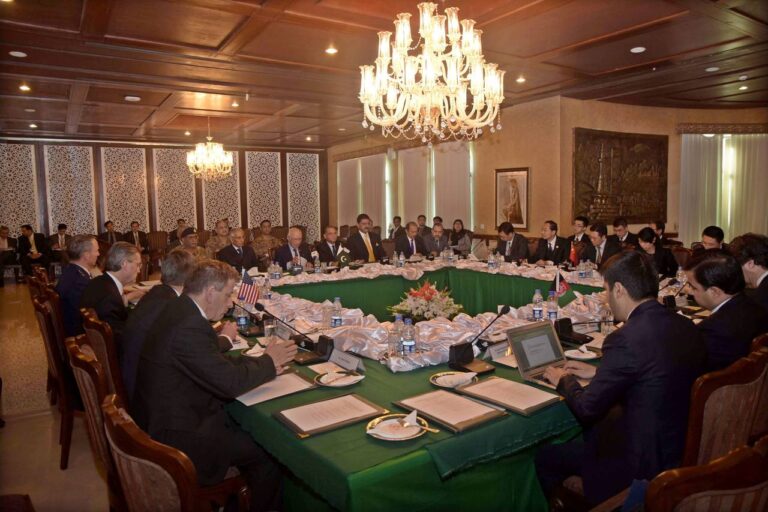
Reeves’s remarks come as part of a scheduled meeting with finance ministers, energy leaders, and central bank governors from the G7 countries. The meeting aims to foster dialogue and cooperation among these influential economies during a time of heightened uncertainty due to the conflict in Iran, which has implications not only for the region but also for global energy markets.
In her statement, Reeves is expected to stress that the G7 nations must coordinate their approaches rather than take individual actions that could inadvertently shift burdens onto other countries or undermine the collective resilience of the group. “The G7 should act together, not in ways that shift pressure onto partners or weaken collective resilience,” her ministry noted.
The ongoing war in Iran has raised concerns about the stability of energy supplies, particularly as countries grapple with rising energy prices and the impacts of geopolitical tensions. Reeves’s warning highlights the delicate balance G7 countries must strike to ensure that their responses do not exacerbate existing challenges in energy security, which is crucial for both economic stability and public welfare.
The G7, comprising Canada, France, Germany, Italy, Japan, the UK, and the United States, has historically played a pivotal role in addressing global economic issues. As the group convenes, the focus will likely be on collaborative strategies that promote stability and mitigate the fallout of the Iranian conflict on international markets.
Reeves’s call for unity underscores the interconnected nature of today’s global economy, particularly in the face of crises that can have far-reaching effects. The finance minister’s perspective is especially relevant as countries strive to recover from the economic disruptions caused by the COVID-19 pandemic, alongside navigating the complexities of the current geopolitical landscape.
As the meeting progresses, it remains to be seen how the G7 will respond to Reeves’s appeal for cooperative measures. However, the importance of maintaining open lines of communication and shared strategies will be paramount in addressing the myriad challenges posed by the ongoing situation in Iran and its impact on energy and trade. The outcomes of these discussions could set the tone for future economic policies among the world’s leading economies.