UK Police Arrest Protesters Near US Military Base
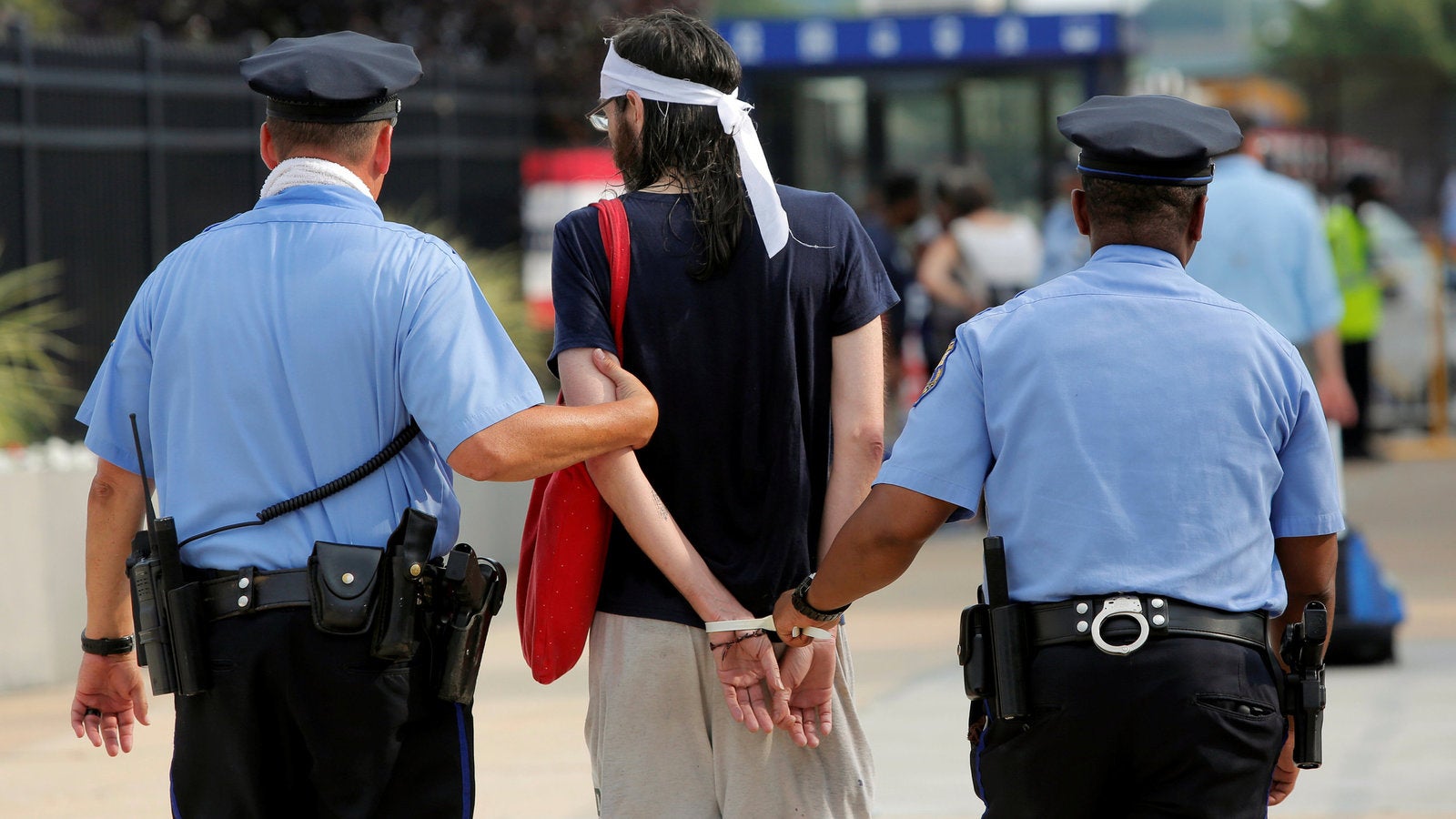
In a significant event over the weekend, British police apprehended seven individuals during a protest outside the Royal Air Force Lakenheath base in eastern England, which is known for its role in hosting United States military operations. The arrests were made on Sunday, as the demonstrators were reportedly expressing their opposition to the use of the base in connection with ongoing conflicts in the Middle East.
The protest was organized by the Lakenheath Alliance for Peace, a group that has been vocal about its stance against military actions perceived as harmful to civilian populations. Activists gathered to voice their concerns about the alleged use of the Lakenheath air base as a staging ground for US aircraft involved in military operations in the region. The demonstrators wore clothing emblazoned with messages such as “We oppose genocide, we support Palestine Action,” emphasizing their solidarity with the Palestinian cause.
The police justified the arrests by stating that those detained were affiliated with Palestine Action, an organization that has been deemed banned due to its disruptive tactics aimed at promoting its political agenda. The nature of the protest and the subsequent arrests have sparked discussions about the right to peaceful assembly and the implications of supporting groups labeled as extremist by authorities.
Activists attending the protest condemned the arrests, arguing that they reflect a broader trend of suppressing dissenting voices, particularly those advocating for Palestinian rights. Many participants expressed their belief that the actions taken by the police were an infringement on their rights to protest and speak out against foreign military involvement.
The situation at Lakenheath has drawn attention not only from local communities but also from international observers concerned about the ongoing humanitarian crises in the Middle East. Proponents of the protest argue that raising awareness and highlighting the role of foreign military bases in such conflicts is essential in fostering a dialogue about peace and justice.
As the debate continues, the Lakenheath Alliance for Peace has vowed to persist in their efforts to bring attention to the impacts of military actions on civilian populations. They are calling for a reassessment of the UK’s military alliances and the ethical implications of supporting foreign interventions in regions experiencing turmoil.
The incident at Lakenheath serves as a reminder of the complexities surrounding military engagements and the passionate responses they can elicit from communities both locally and globally. The unfolding situation will likely remain a focal point for discussions concerning civil liberties, international relations, and the rights of activists in the UK.