UN Reports on Iran’s Human Rights Violations Amid Ongoing Conflict
The United Nations has recently highlighted significant human rights concerns in Iran, revealing that the country has executed at least 21 individuals and arrested over 4,000 citizens since the onset of its conflict with the United States and Israel two months ago. Volker Turk, the UN’s High Commissioner for Human Rights, made these statements during a briefing, emphasizing the severity of the situation.
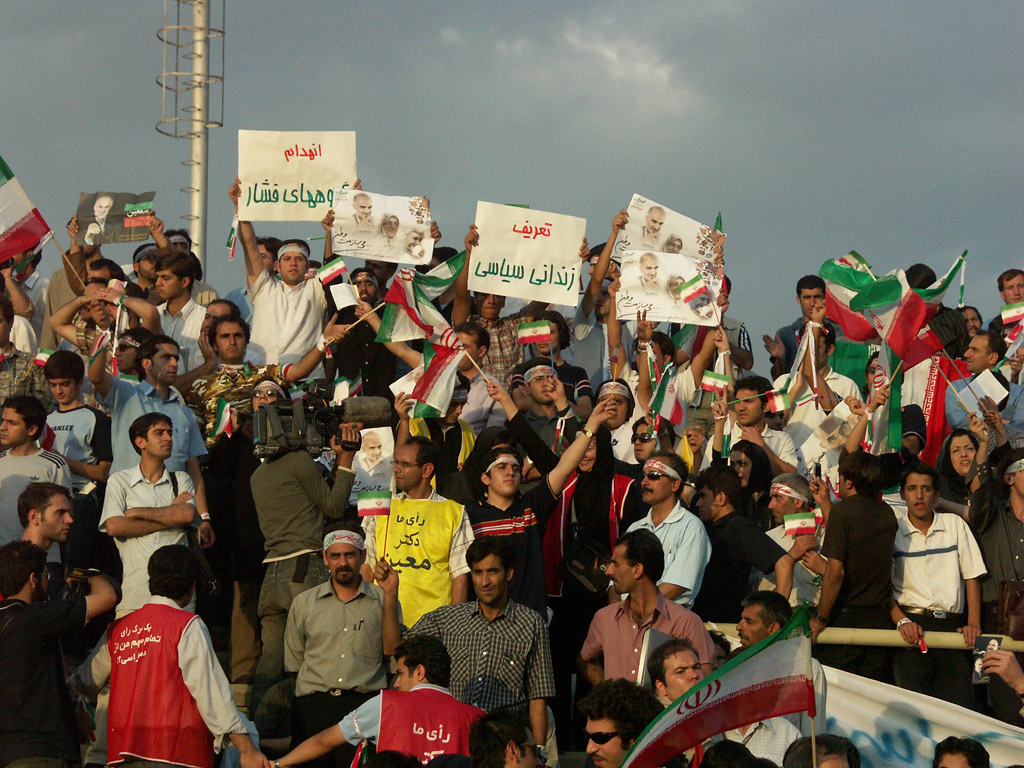
Turk detailed that among the executions, at least nine were linked to protests that erupted in January. In addition, ten individuals were reportedly executed based on accusations of being associated with opposition groups, while two faced death sentences related to espionage charges. The UN’s findings raise alarms about the Iranian government’s response to dissent and its approach to maintaining national security amidst the ongoing conflict.
The high number of arrests, exceeding 4,000, reflects a broader clampdown on civil liberties, particularly targeting those perceived as threats to the state. These arrests are largely associated with various national security-related allegations, which have become more prevalent as tensions escalate in the region.
The Iranian government’s actions have drawn widespread condemnation from international human rights organizations and activists, who argue that the state is suppressing legitimate expressions of dissent. Many of those arrested reportedly include activists, journalists, and ordinary citizens participating in protests, raising concerns about the fairness of the legal proceedings and the treatment of detainees.
In response to these developments, the UN has called for the Iranian authorities to respect fundamental human rights, including the rights to free expression and peaceful assembly. Turk underscored the need for Iran to adhere to its international obligations regarding human rights and to ensure that legal processes are transparent and just.
The ongoing conflict, which has heightened military tensions in the region, has compounded the existing challenges in Iran, leading to a more stringent security environment. Observers note that the government’s heavy-handed tactics may be a strategy to quell unrest and maintain control during a period of instability.
As the situation evolves, the international community continues to monitor Iran’s actions closely, urging the regime to halt its repressive measures and to engage in dialogue with various stakeholders to foster a more peaceful and democratic society. The UN’s report serves as a critical reminder of the importance of safeguarding human rights, particularly in times of conflict, and the need for accountability for those who violate these rights.