Uncertainty Surrounds US-Iran Talks in Pakistan Amidst Rising Tensions
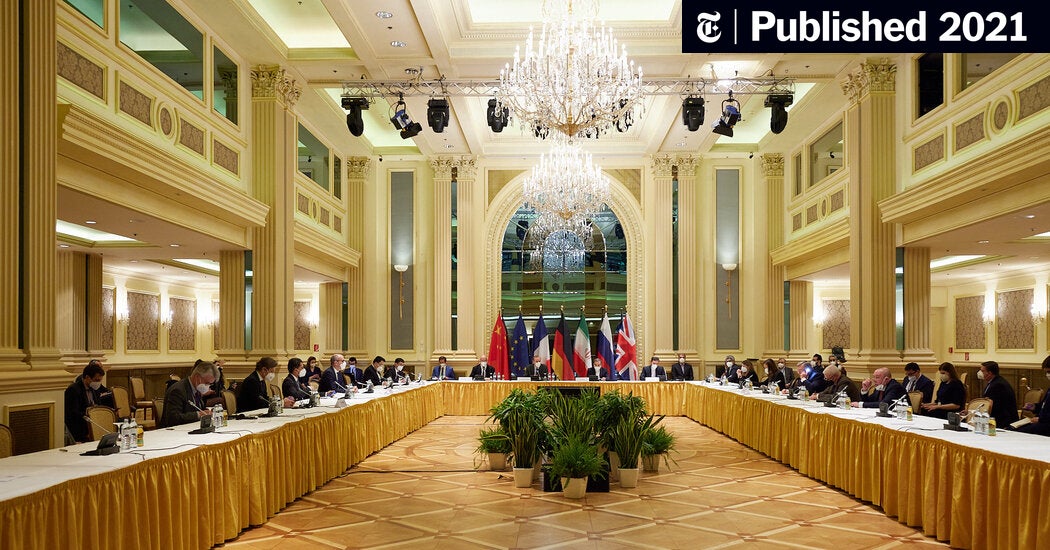
Tensions between the United States and Iran have intensified as both nations prepare for scheduled talks in Pakistan, although the start of negotiations remains uncertain. Neither side has confirmed the arrival of their respective delegations, raising questions about the future of diplomatic efforts aimed at alleviating ongoing conflicts.
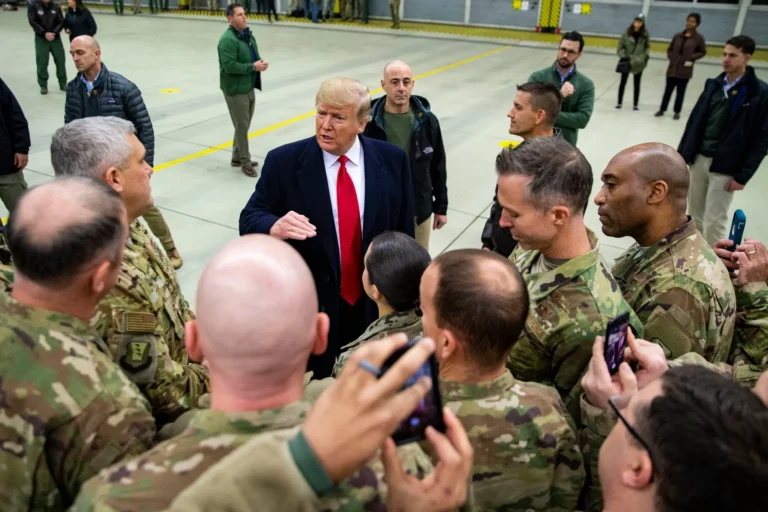
The backdrop to these discussions is marked by accusations from both sides regarding the failure to uphold a fragile ceasefire that was established earlier. U.S. President Donald Trump has publicly expressed his dissatisfaction with Iran’s management of the Strait of Hormuz, a strategically vital waterway that was supposed to be reopened under the terms of the agreement. This criticism underscores the ongoing friction over maritime security and the movement of oil through the region.
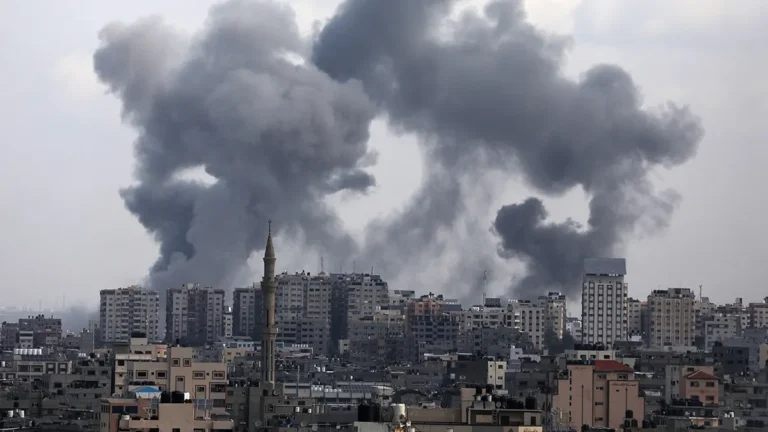
In response, Iranian officials have voiced their frustrations, particularly concerning recent Israeli military actions in Lebanon. Tehran argues that these attacks represent a breach of the ceasefire agreement, insisting that such regional developments should be subject to the same framework that governs U.S.-Iran relations. Washington, however, contests this interpretation, highlighting the complexities of regional dynamics and the multifaceted nature of the ongoing conflicts.
As the scheduled talks loom, both countries find themselves in a precarious position, with each side blaming the other for the deteriorating situation. Observers are concerned that if the negotiations do not commence as planned, the potential for escalated hostilities could increase, further destabilizing an already volatile region.
The implications of these talks extend beyond U.S.-Iran relations, as they play a significant role in the broader geopolitical landscape of the Middle East. Allies and adversaries alike are closely monitoring the developments, as any agreements reached or breakdowns in communication could have far-reaching consequences for regional stability and international relations.
Analysts suggest that the outcome of these discussions will largely depend on the willingness of both parties to engage in good faith negotiations and to find common ground amid their diverging interests. The ability to navigate these complex issues will be crucial not only for the immediate future of U.S.-Iran relations but also for the peace and security of the entire region.
As the world watches closely, the uncertainty surrounding the talks serves as a reminder of the delicate balance that must be maintained in diplomacy, especially in a region fraught with historical grievances and ongoing conflicts. The coming days will be critical in determining whether the path towards de-escalation can be forged or if tensions will continue to escalate.