US-Iran Peace Hopes Fade as Diplomatic Talks Stall
As the conflict between the U.S.-Israeli alliance and Iran continues, the prospects for a diplomatic resolution have significantly diminished. Recent discussions intended to de-escalate the two-month-long conflict have hit a deadlock, with both Iran and the United States unwilling to compromise on their respective positions.
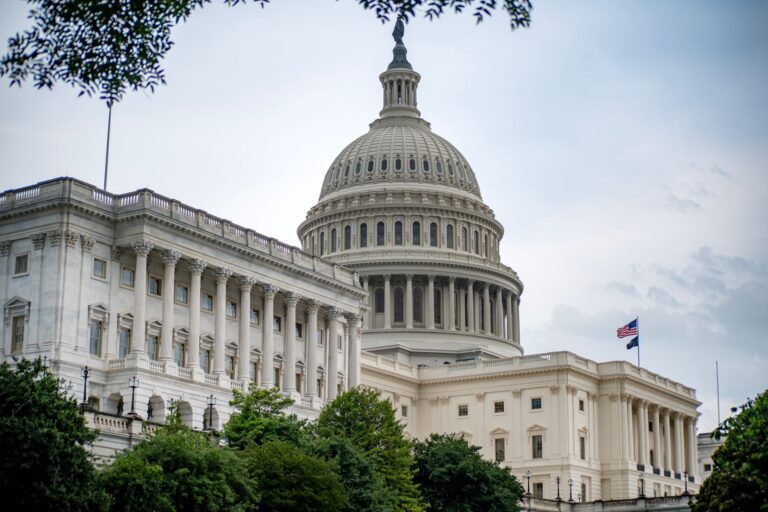
Officials from both sides have expressed a lack of optimism about the current state of negotiations. In Washington, the Biden administration has maintained a firm stance, insisting on certain conditions that have yet to be met by Tehran. Meanwhile, Iranian leaders have reaffirmed their commitment to their established demands, further complicating any potential breakthrough in the dialogue.
The stalling of talks comes as international observers express concern over the escalating tensions in the region. The conflict has already resulted in significant casualties and raised fears of a wider confrontation in the Middle East. Analysts suggest that the hardening of positions on both sides may be influenced by domestic political pressures. In the United States, some lawmakers have called for a more aggressive approach towards Iran, complicating the administration’s efforts to foster a peaceful resolution.
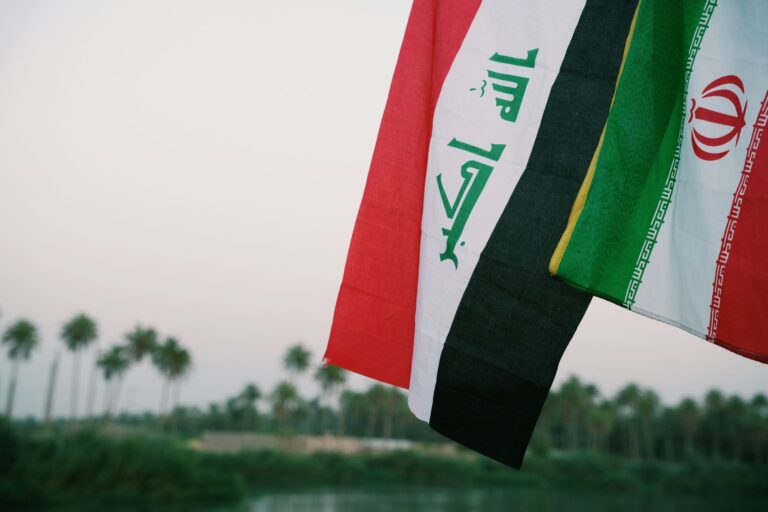
In Iran, the government faces its own set of challenges, including public dissatisfaction and the need to project strength amid external pressures. As a result, Iranian officials have reiterated their commitment to resisting U.S. influence, which they view as an infringement on their sovereignty.
Diplomatic channels are still open, but the atmosphere surrounding them is fraught with tension. Previous rounds of talks have failed to yield significant results, leading to skepticism regarding the effectiveness of ongoing discussions. Experts suggest that without a significant shift in either side’s approach, the likelihood of achieving a lasting peace remains low.
Regional allies and international stakeholders are closely monitoring the situation, recognizing the potential for broader implications if the conflict escalates further. Countries in the Arab world, particularly those with established ties to both the U.S. and Iran, are urging a return to dialogue, emphasizing the importance of stability in the region.
As the situation develops, the diplomatic community continues to advocate for renewed efforts to bridge the gaps between the two nations. However, with both Tehran and Washington seemingly entrenched in their positions, the path to peace appears increasingly difficult to navigate.
In the meantime, the humanitarian toll of the ongoing conflict continues to rise, prompting calls for immediate action to address the needs of those affected. The hope for a peaceful resolution remains, but it is clear that significant hurdles must be overcome to achieve lasting stability in the region.