US-Iran Talks Highlight Pakistan’s Military Leadership
In a significant development during high-stakes diplomatic discussions between the United States and Iran, Field Marshal Asim Munir, the chief of the Pakistani army, has emerged as a pivotal figure in shaping Pakistan’s foreign relations. The recent meeting, which took place in Islamabad, saw US Vice President JD Vance arriving to a warm welcome from Munir, whose civilian attire stood out among the military uniforms surrounding him. This moment underscored the increasing influence that Munir wields not only within Pakistan but also on the global stage.
Analysts note that Munir’s unique blend of military experience and diplomatic engagement positions him as a key player in regional stability and international diplomacy. Political analyst Qamar Cheema commented on Munir’s expanding role, stating, “He is a soldier, a statesman, and a diplomat. Munir has created momentum for Pakistan at a global level to change Pakistan’s perception.” This perspective reflects a broader acknowledgment of the army’s influence in Pakistani politics, particularly as the country navigates complex relationships with its neighbors and major powers.
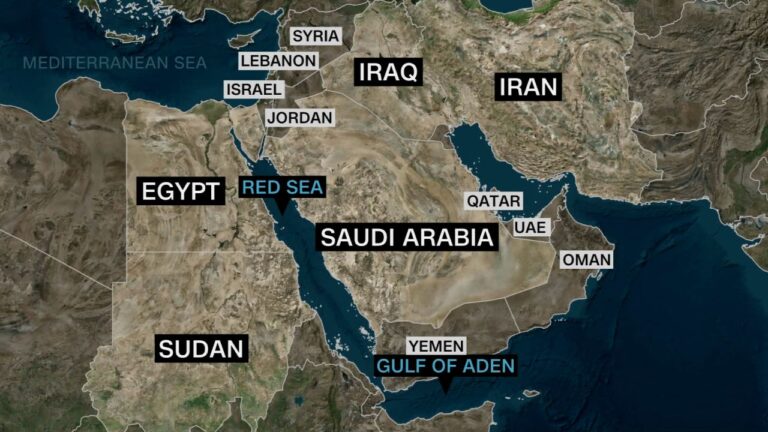
The backdrop of the US-Iran talks is steeped in historical tensions and ongoing geopolitical challenges. The meeting’s location in Islamabad emphasizes Pakistan’s strategic importance in facilitating dialogue between the two nations. With Iran and the US historically at odds, the involvement of a prominent Pakistani military leader suggests an effort to leverage regional partnerships to foster dialogue.
Field Marshal Munir’s ascent comes at a time when Pakistan is keen on redefining its international image, especially following years of being viewed primarily through the lens of terrorism and internal strife. His leadership is seen by many as a potential catalyst for enhancing Pakistan’s diplomatic outreach and improving its relations with major powers, including the United States and regional neighbors.
Furthermore, the Pakistani military has long been a dominant force in the country’s politics, often stepping in during times of crisis. Munir’s dual role as a military leader and diplomatic figure may help bridge gaps between military priorities and civilian governance, which is crucial for long-term stability in Pakistan.
As the US and Iran navigate their complex relationship, the involvement of Pakistan’s military leadership could indicate a shift in regional dynamics. Observers will be closely watching how these discussions unfold and whether they lead to tangible outcomes that could affect not only US-Iran relations but also Pakistan’s standing in the international community.
In conclusion, Field Marshal Asim Munir’s emerging role as a central figure in diplomatic efforts between the US and Iran showcases the unique intersection of military authority and diplomatic engagement in Pakistan. As the nation seeks to reshape its global perception, Munir’s influence may play a critical role in the evolving narrative of Pakistan on the world stage.