US Quietly Supports Saudi Arabia’s Military Efforts in Yemen
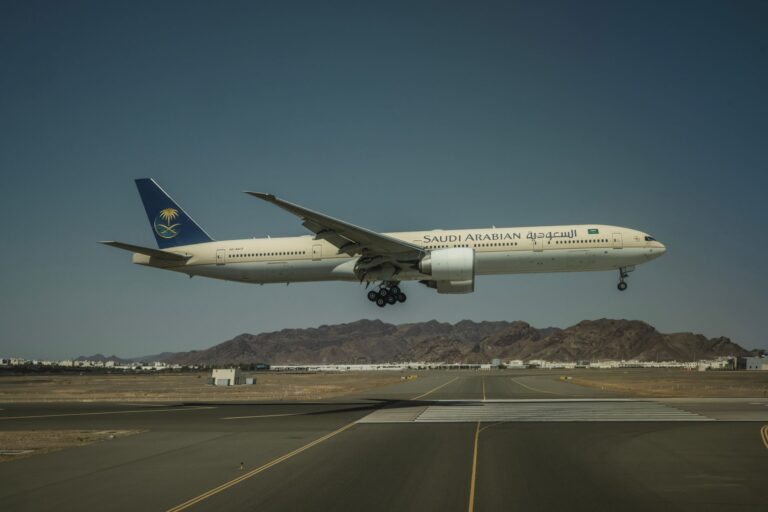
In a strategic move aimed at maintaining stability in the Gulf region, the United States has been providing support to Saudi Arabia in its ongoing military operations against Houthi forces in Yemen. This assistance primarily consists of intelligence sharing and aerial refueling, enabling Riyadh to bolster its defenses amidst escalating attacks from the Iran-aligned Houthis.
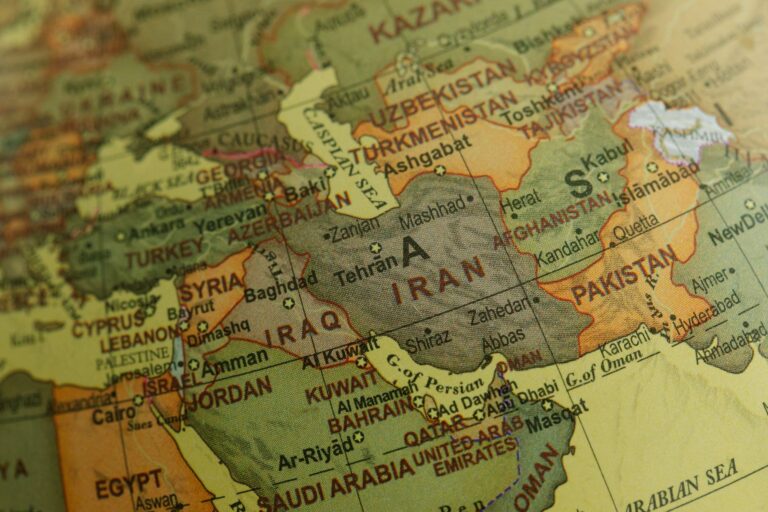
The Pentagon’s involvement is part of a broader effort to ensure that the conflicts in Yemen and Iran remain distinct, while also safeguarding the critical flow of oil exports from the Gulf. As the Houthis have intensified their missile and drone assaults, targeting both Saudi infrastructure and international shipping, the U.S. has sought to mitigate potential disruptions that could affect global oil supplies.
U.S. officials stress that their support is crucial for enhancing Saudi Arabia’s ability to respond to these threats effectively. This military partnership is not without controversy, as it raises questions about the humanitarian impact of the conflict in Yemen, which has been ravaged by years of war, leading to a dire humanitarian crisis. Critics argue that continued military support for Saudi operations may exacerbate civilian suffering in the region.
The United States has maintained that its assistance is intended to help Saudi Arabia defend itself against Houthi aggression and protect vital maritime routes. Recently, the U.S. has reported a rise in missile attacks from Yemen, prompting increased military coordination between Washington and Riyadh. This partnership underscores the U.S. commitment to its Gulf allies while striving to limit Iranian influence in the region.
Despite these efforts, the situation on the ground remains complex. The Houthis, who have been engaged in the conflict since 2014, have shown resilience and adaptability, often launching sophisticated attacks that challenge Saudi defenses. The group’s ability to strike deep into Saudi territory has raised alarms not just in Riyadh, but also among neighboring countries and global stakeholders.
The Biden administration faces a delicate balancing act as it navigates its foreign policy in the Middle East. While providing support to Saudi Arabia, it must also address the humanitarian crisis in Yemen, where millions are in urgent need of assistance. The U.S. has called for a ceasefire and a renewed commitment to diplomatic solutions, yet tangible progress remains elusive.
As the conflict continues, the implications of U.S. involvement in Saudi Arabia’s military operations will be closely watched, especially by communities with ties to the region. The unfolding situation highlights the interconnectedness of geopolitical interests, humanitarian concerns, and the ongoing struggle for stability in a region marked by conflict.