Vice President Vance Acknowledges Challenges in US-Iran Relations
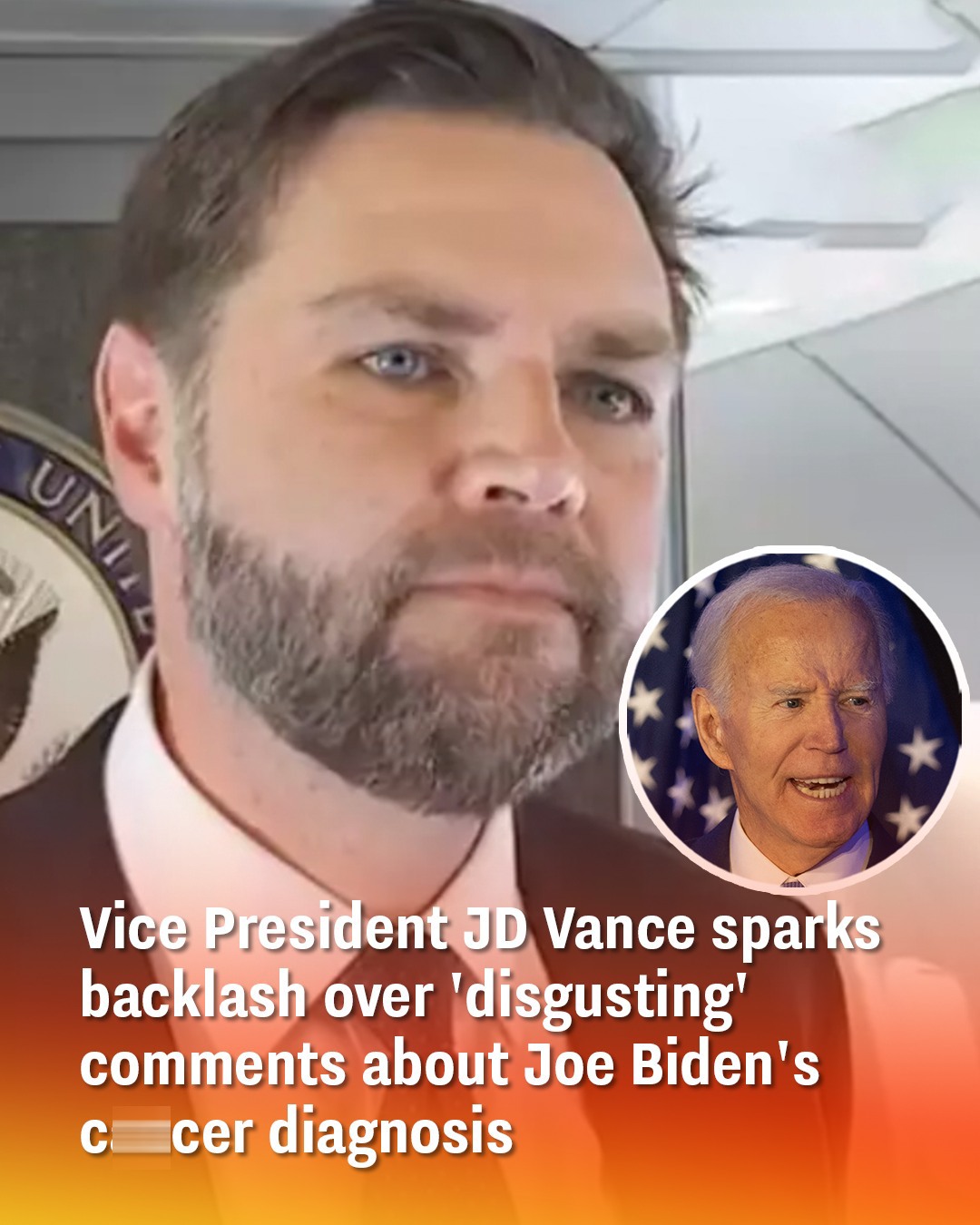
U.S. Vice President JD Vance addressed the ongoing tensions between the United States and Iran, emphasizing that the deep-seated mistrust between the two nations cannot be resolved rapidly. Speaking on Tuesday, Vance acknowledged the complexities of the relationship but expressed optimism regarding conversations taking place between U.S. and Iranian negotiators.
The Vice President stated that although significant challenges lie ahead, there appears to be a willingness on the part of Iranian officials to engage in dialogue aimed at reaching a favorable agreement. “While it is clear that there is a lot of mistrust, I believe we are making progress,” Vance noted, indicating that he feels “very good about where we are” in the negotiation process.
The context for these discussions has been shaped by recent events, including the breakdown of talks in the previous weekend, which led to the U.S. imposing a blockade on Iranian ports as a form of pressure. President Donald Trump also indicated that negotiations to bring an end to the ongoing conflict in Iran could potentially resume in Pakistan within the next few days, signaling a renewed effort to stabilize the situation.
The U.S.-Iran relationship has been strained for decades, marked by a series of conflicts and misunderstandings. The current administration is seeking to address these issues through diplomatic channels, despite the skepticism that often surrounds such negotiations. Vance’s remarks suggest that while the path forward may be fraught with difficulties, there is hope for dialogue and resolution.
Experts on Middle Eastern relations highlight that building trust between the two countries will require sustained effort and goodwill from both sides. The complexities of the region’s geopolitical landscape mean that any agreements will likely need to address a multitude of issues beyond immediate concerns, including regional security, nuclear capabilities, and economic sanctions.
As the situation continues to evolve, many in the Arab-American community are closely monitoring developments, hoping for a peaceful resolution that fosters stability in the region. Community leaders emphasize the importance of constructive engagement and dialogue, recognizing that the stakes are high for both the U.S. and Iran, as well as for their neighboring countries.
In summary, while Vice President Vance acknowledges the significant obstacles in U.S.-Iran relations, his comments reflect a cautious optimism for future negotiations. The commitment to dialogue is crucial, as both nations navigate the complexities of rebuilding trust and addressing longstanding issues.