War between Hezbollah and Israel Deepens Fractures in Lebanon
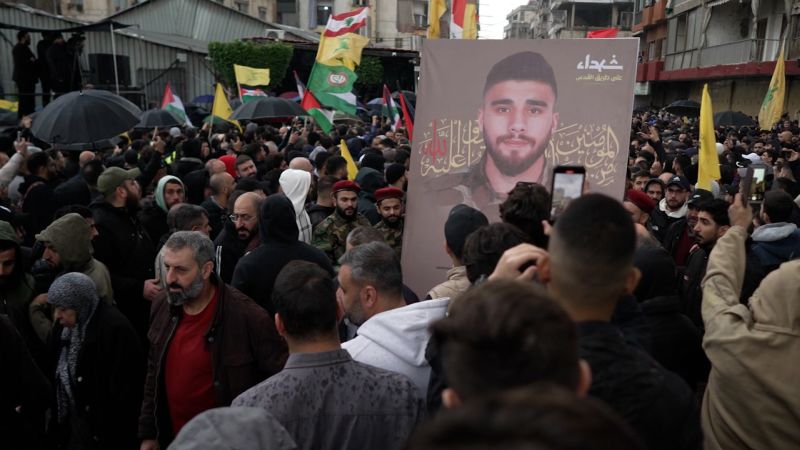
The ongoing conflict between Hezbollah and Israel is exacerbating Lebanon’s already precarious situation, pushing the nation closer to a breaking point. This renewed violence is intensifying existing sectarian and political divisions, particularly as Shiite communities face displacement and hostility grows between Hezbollah and its adversaries.
Lebanon, a country with a history of sectarian strife, is grappling with the fallout from this latest escalation in hostilities. Analysts and political figures across the spectrum are expressing concerns that this conflict, ignited by the broader regional tensions involving Iran, could prove to be one of the most destabilizing events since the Lebanese Civil War, which lasted from 1975 to 1990.
The backdrop of this conflict is a Lebanon already strained by an economic crisis, widespread corruption, and political paralysis. The ramifications of the ongoing violence are being felt across the country, with many residents fearing for their safety and future. As clashes escalate, the displacement of Shiite Muslims, who are predominantly aligned with Hezbollah, is creating additional tensions within Lebanon’s complex social fabric, threatening to exacerbate the divides that have historically marked the nation.
Hezbollah, backed by Iran, portrays itself as a defender of Lebanon against Israeli aggression. However, its actions are increasingly viewed by some Lebanese as an impediment to peace and stability. Opponents of the group argue that Hezbollah’s military engagements detract from addressing the pressing domestic issues facing the country, including its dire economic conditions, which have plunged much of the population into poverty.
The political landscape in Lebanon is further complicated by the varying responses to the conflict from different factions. While some political leaders rally behind Hezbollah, others are vocally critical, arguing that the group’s militaristic approach undermines Lebanon’s sovereignty and fuels cycles of violence. This division is deepening mistrust among the various communities, prompting fears of further sectarian violence.
As the conflict rages on, international responses are also being closely monitored. Regional allies and global powers have expressed concern over the potential for a wider war, which could have catastrophic implications not only for Lebanon but for the entire Middle East. Diplomatic efforts to de-escalate the situation are ongoing, but the prospects for a peaceful resolution remain uncertain.
In this fraught environment, the resilience of the Lebanese people is being tested once again. Many are calling for unity and dialogue to address the underlying issues that have long plagued the nation. As Lebanon stands at this critical juncture, the hope remains that the voices advocating for peace and stability will prevail over the forces of division and conflict.