War Weighs on Iran’s Economy as US Intensifies Sanctions
Iran’s leadership is increasingly vocal about the detrimental impact of ongoing tensions with the United States on the country’s economy. In recent statements, Supreme Leader Ayatollah Ali Khamenei urged the government to take decisive measures to alleviate the hardships faced by the Iranian populace. His comments come amid a backdrop of escalating sanctions and a significant contraction in foreign trade.
President Ebrahim Raisi reported that foreign trade has experienced a staggering 35% decline, a situation he attributed directly to the sanctions imposed by the U.S. and its allies. These sanctions, aimed at curtailing Iran’s nuclear program and regional influence, have significantly hindered the country’s ability to engage in international commerce, leading to profound economic challenges.
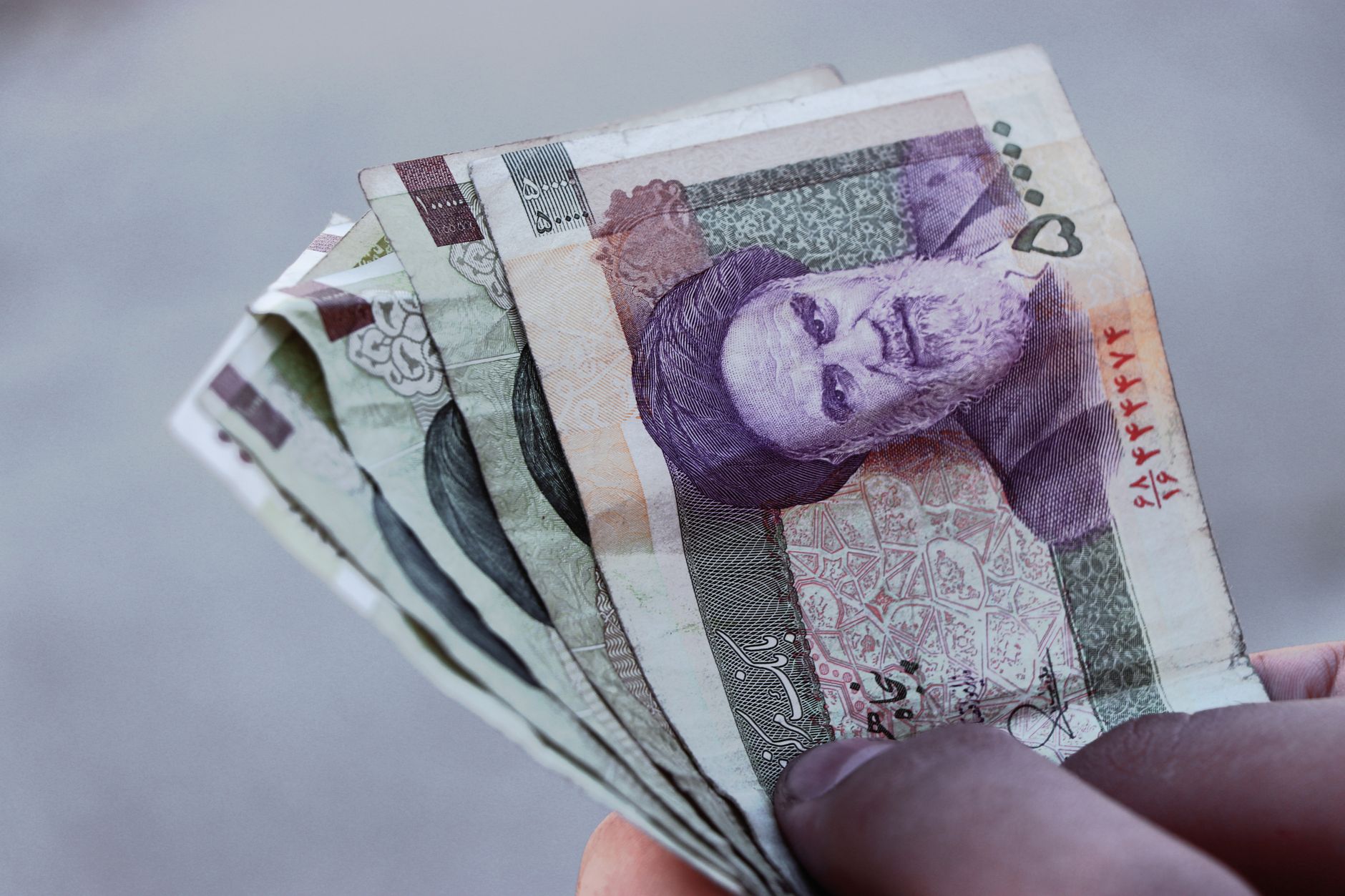
The Iranian economy, already struggling under the weight of previous sanctions, now faces intensified pressure as the conflict with the U.S. continues. Inflation rates have soared, and the national currency, the rial, has lost substantial value against foreign currencies, further exacerbating the financial strain on ordinary citizens. This economic turmoil has resulted in rising costs of goods and services, making it difficult for many families to afford basic necessities.
Authorities in Iran are grappling with the dual challenges of managing an economy in freefall while addressing the public’s growing discontent. Citizens have expressed frustration over the government’s inability to mitigate the effects of the sanctions and the war. Protests in various cities have demonstrated the populace’s demand for improved living conditions and economic stability.
The Iranian government has been exploring various strategies to counteract the economic fallout. Efforts to bolster domestic production and reduce reliance on foreign imports have been prioritized as part of a broader economic strategy. Additionally, Iran has sought to strengthen trade relationships with countries outside the influence of U.S. sanctions, particularly in Asia and neighboring regions.
Despite these efforts, the long-term outlook remains uncertain. Observers are concerned that the ongoing conflict with the U.S. and the stringent sanctions will continue to stifle economic recovery. Analysts suggest that without a significant shift in diplomatic relations, the Iranian economy may struggle to regain its footing.
As the situation unfolds, the Iranian leadership faces the critical task of not only addressing the immediate economic challenges but also restoring public confidence. The success of these efforts will depend on the government’s ability to navigate the complex geopolitical landscape and implement effective policies that resonate with the needs of its citizens.