West Bank Olive Harvest Under Threat from Settler Violence
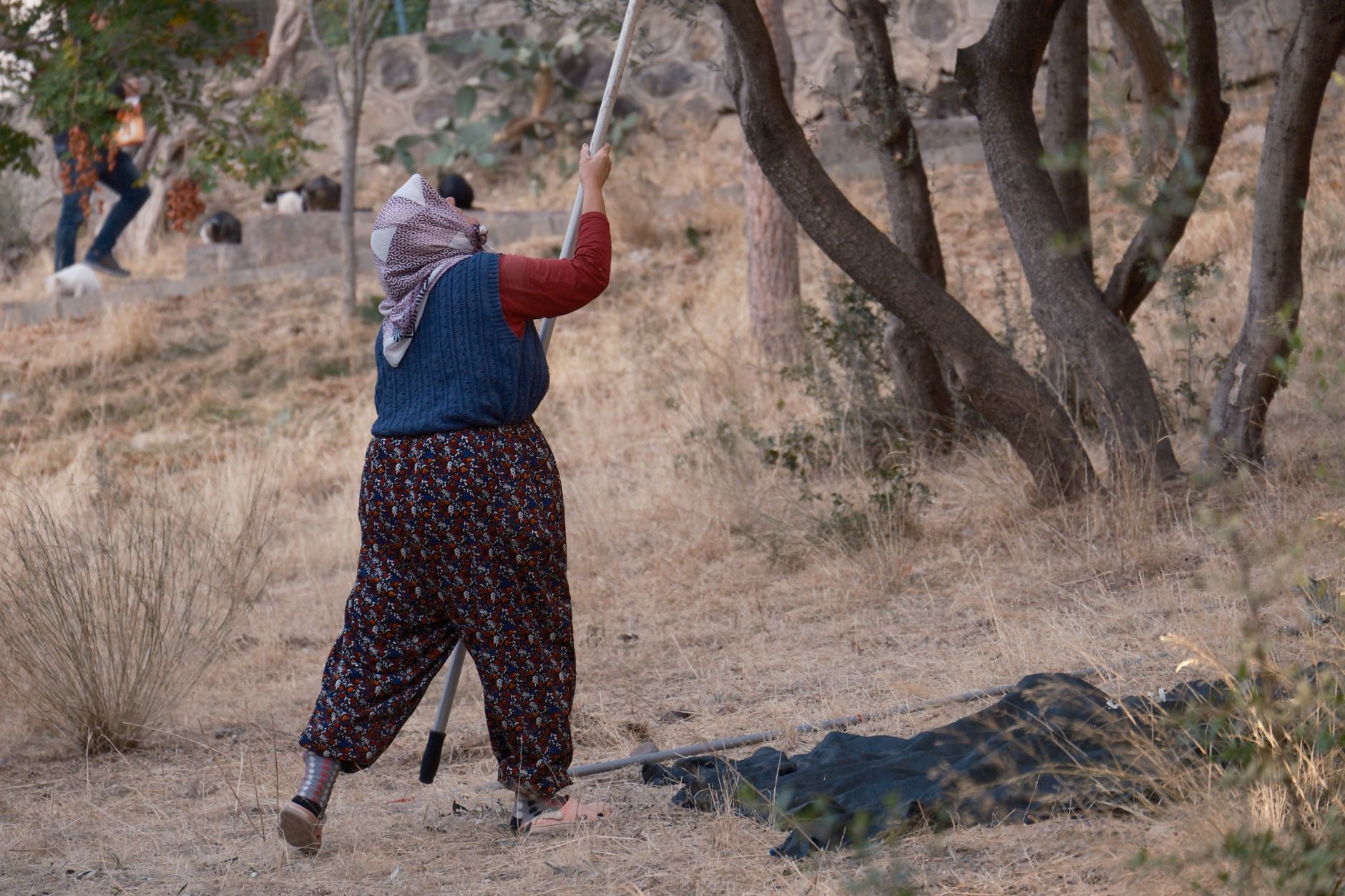
The olive harvest season has commenced in the West Bank, a crucial period for many Palestinian families who depend on this traditional agriculture for their livelihoods. According to United Nations estimates, approximately 80,000 to 100,000 families in the region rely on olive cultivation as either their primary or secondary source of income.
However, this year’s harvest is overshadowed by increasing reports of violence and intimidation from Israeli settlers towards Palestinian farmers. As the harvest season unfolds, incidents of settler attacks on both farmers and their olive groves have raised significant concerns about the safety and security of those engaged in this vital agricultural activity.
Farmers have reported instances of harassment while attempting to access their fields, with some facing direct assaults that have left them fearful for their safety. Additionally, there have been accounts of settlers vandalizing or uprooting olive trees, which not only disrupts the harvest but also poses a long-term threat to the agricultural heritage of the area. These acts of aggression create an atmosphere of anxiety among farmers, many of whom have been tending to their olive groves for generations.
The olive tree holds a deep cultural and economic significance for Palestinians, symbolizing resilience and connection to the land. The annual harvest is not only an economic necessity but also a communal event, bringing families and communities together. The olive oil produced from this harvest is often sold locally and internationally, providing a vital economic boost and preserving traditional farming practices.
International and local organizations are closely monitoring the situation, advocating for the protection of Palestinian farmers and their rights to cultivate their land without fear of violence. Efforts are being made to raise awareness about the challenges faced during the harvest season, with calls for increased support and intervention to ensure the safety of those involved in olive farming.
As the harvest progresses, many farmers remain determined to continue their work despite the challenges. The resilience of the Palestinian community in the face of adversity is evident, as they continue to uphold their agricultural traditions and strive for a better future.
With the olive harvest being a pivotal aspect of the Palestinian economy and culture, the ongoing violence threatens not only the immediate livelihoods of those affected but also the broader agricultural heritage of the region. The situation remains tense, and the global community is urged to pay attention to the plight of these farmers during this critical time.