White House Considers Iran’s Parliament Speaker Ghalibaf as Possible US Ally
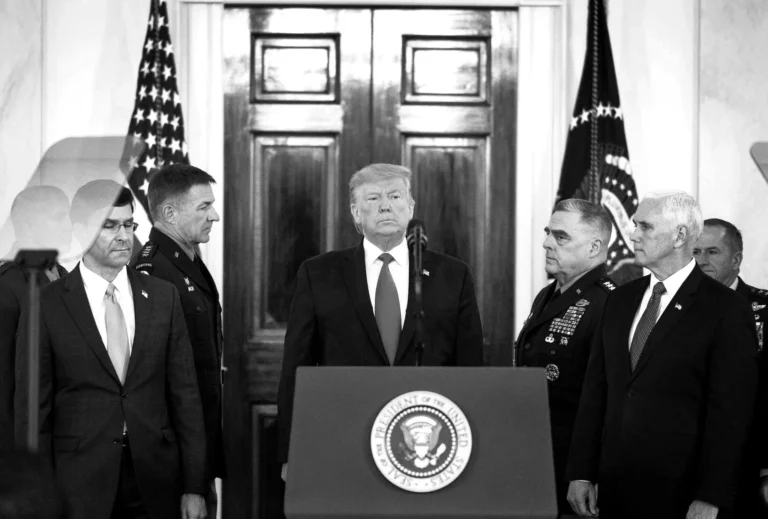
In a surprising development, the Trump administration is reportedly exploring the possibility of engaging with Iran’s parliament speaker, Mohammad Bagher Ghalibaf, as a potential ally and even a future leader of the country. This information, disclosed by Politico, has prompted discussions about the implications for US-Iran relations amid ongoing tensions in the region.
According to sources within the administration, Ghalibaf is being viewed as a viable partner who could play a significant role in negotiations with Washington. The assessment suggests that his leadership could mark a new phase in diplomatic efforts concerning Iran, especially in the context of the complex geopolitical landscape that has characterized US-Iran relations for years.
Ghalibaf, who has held various significant positions in Iran’s political framework, is known for his hardline stance. Nevertheless, some officials in the Trump administration believe that his pragmatic approach to governance could facilitate constructive dialogues. The interest in Ghalibaf comes at a time when the US is seeking to recalibrate its strategy in the Middle East, particularly following the withdrawal from the Iran nuclear deal and the subsequent imposition of sanctions on the Iranian economy.
The potential for Ghalibaf to emerge as a key figure in US-Iran relations raises questions about the future of Iran’s political landscape. His candidacy as a potential leader may signal a shift in the dynamics of power within the Iranian government, especially as the country approaches critical elections. Observers note that any engagement with Ghalibaf could be indicative of the US administration’s willingness to explore alternative diplomatic channels, even with figures who have traditionally been seen as adversaries.
However, this approach is not without risks. The Iranian political environment is complex, and the response from the Iranian leadership could vary significantly. Many hardliners within Iran may view any overtures from the US skeptically, potentially complicating Ghalibaf’s position should he seek to foster closer ties with Washington.
As discussions continue within the White House, analysts emphasize the importance of understanding the broader implications of such a partnership. Engaging with Ghalibaf might not only affect US interests but could also reshape the regional balance of power, particularly concerning Iran’s influence in neighboring countries.
The evolving situation underscores the delicate nature of diplomacy in the Middle East, where political allegiances can shift rapidly. As the Trump administration contemplates its next steps, the international community will be closely observing the developments regarding Ghalibaf and the potential for renewed dialogue between the US and Iran.