White House Responds to Pope’s Comments on Praying for Troops
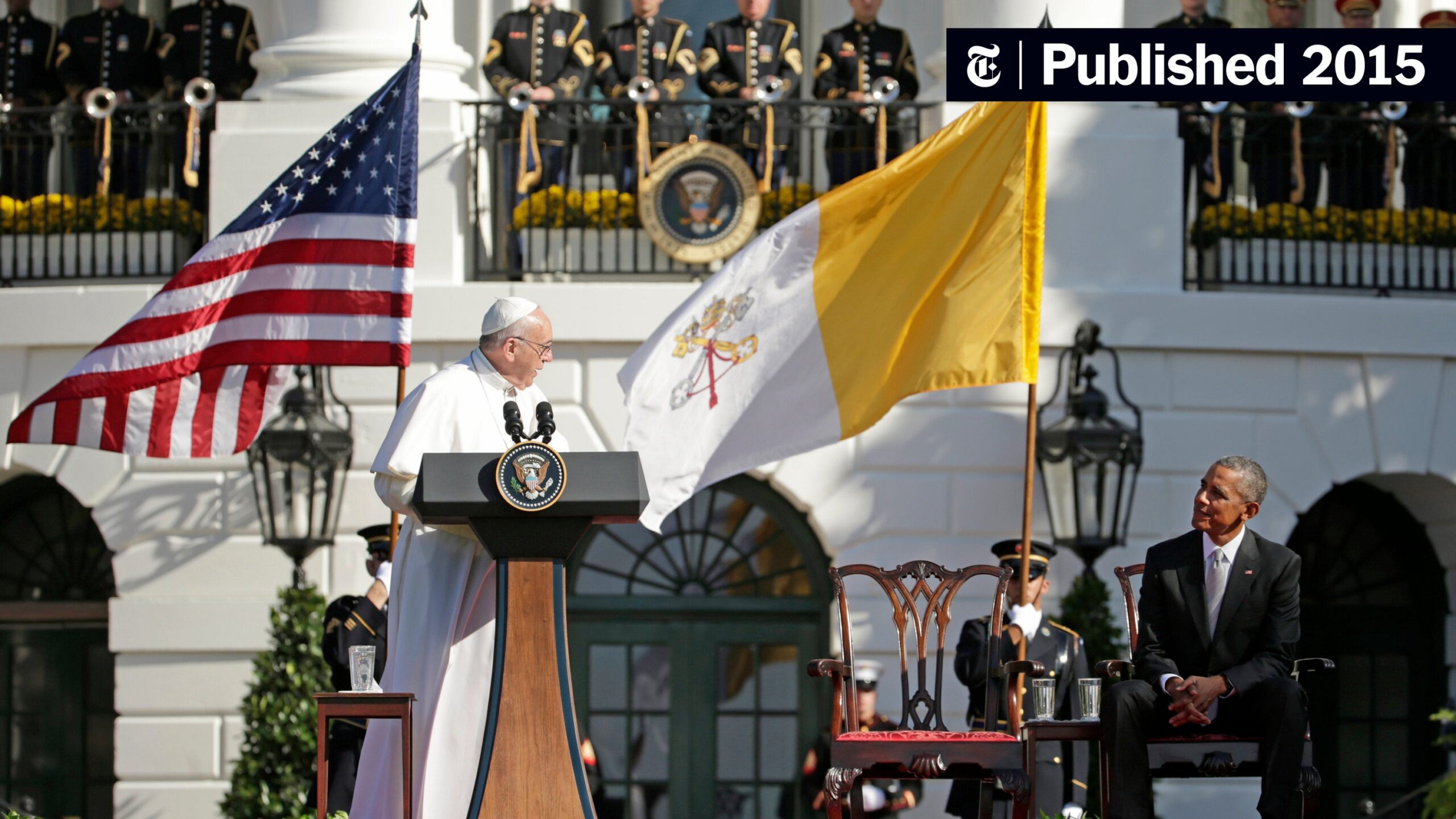
The White House has stepped into the conversation surrounding the contentious issue of prayer for U.S. military personnel amid the ongoing conflict in Iran. This comes in light of recent remarks made by Pope Leo XIV, who expressed that prayers offered by those who engage in warfare are not favored by God.
During a press briefing on Monday, White House Press Secretary Karoline Leavitt addressed the Pope’s statements, asserting that there is no moral issue with calls for prayer for American servicemembers. Leavitt emphasized the importance of supporting military personnel and their families, highlighting the need for the nation to rally behind those who serve.
Leavitt pointed out that military leaders, including President Joe Biden, are within their rights to encourage prayers for the safety and success of U.S. troops deployed overseas. “I don’t think there is anything wrong with our military leaders or with the president calling on the American people to pray for our servicemembers and those who are serving our country overseas,” she stated. This response aims to reaffirm the administration’s stance on the value of supporting troops, regardless of the context of their deployment.
The Pope’s remarks have sparked a broader conversation about the role of faith and spirituality in the context of military conflict. Many religious leaders and organizations have echoed the sentiment that prayer should be a tool for peace rather than a mechanism that endorses warfare. As discussions continue, the divide between those who advocate for prayer in support of troops and those who believe it should not be intertwined with military actions remains prominent.
This issue resonates particularly within communities that hold deep connections to military service and religious faith. Arab-American communities, which often have diverse views on military engagements, may find themselves reflecting on the implications of such spiritual guidance amidst conflicts that have significant historical and cultural ties.
As the White House navigates this delicate balance, it remains committed to fostering support for its military while acknowledging the complex moral landscape shaped by faith and warfare. The ongoing dialogue surrounding the Pope’s comments and the administration’s response highlights the multifaceted nature of how communities engage with issues of war, peace, and spirituality.
In a time where the nation grapples with the implications of international conflict, the conversation about prayer for troops serves as a reminder of the diverse beliefs and values that influence perspectives on military actions and their spiritual dimensions.