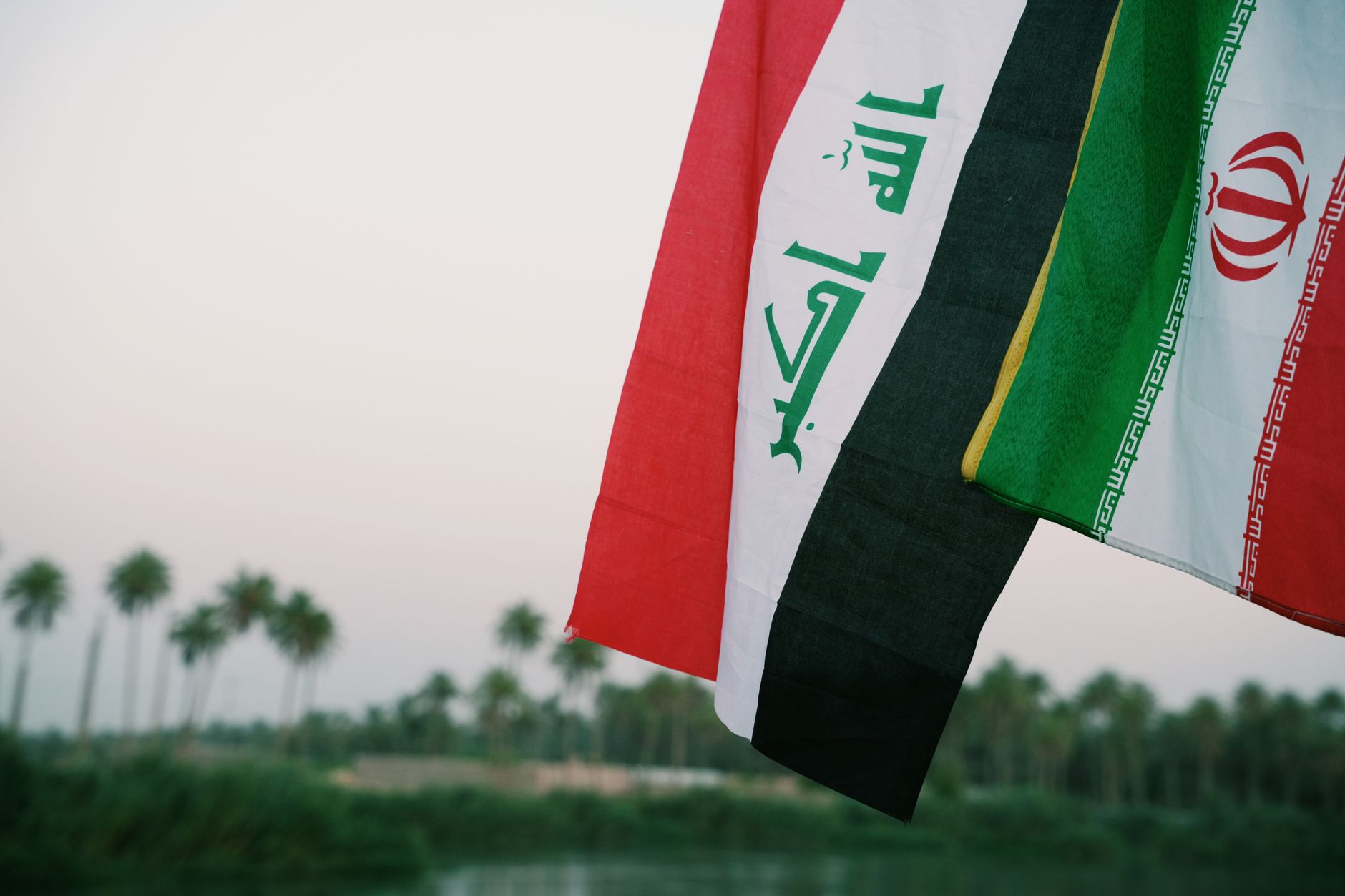
Window for Diplomacy with Iran May Be Closing Amid Rising Tensions
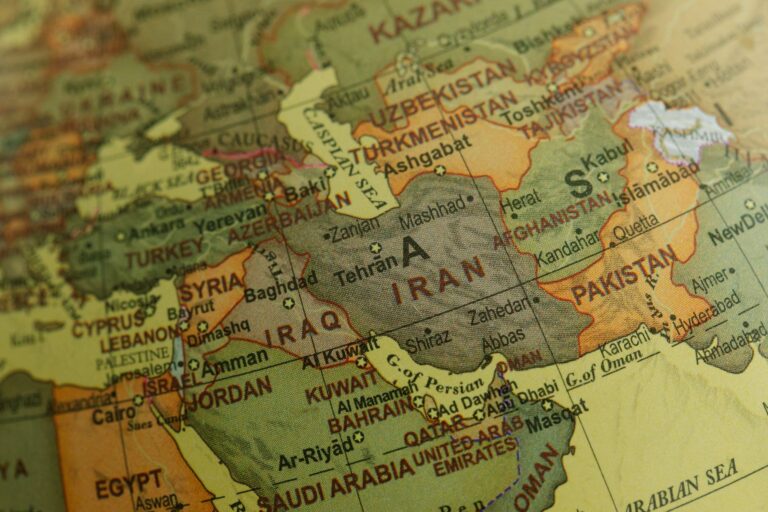
Recent developments suggest that the opportunity for diplomatic engagement with Iran may be diminishing, as escalating rhetoric and military threats intensify the already strained relations between the United States and the Islamic Republic. The situation has prompted concerns among regional observers about potential repercussions for stability in the Middle East.
Former President Donald Trump has once again raised the stakes by threatening military action against Iran, specifically targeting a site known as Pickaxe Mountain, which is believed to be linked to Iran’s nuclear ambitions. This provocative stance has raised alarms not only in Tehran but also among U.S. allies in the region, particularly Israel, which remains vigilant given its longstanding apprehensions regarding Iran’s nuclear program and its influence in neighboring countries.
The Israeli government, while grappling with its own security challenges, continues to monitor developments closely. Analysts suggest that Israel’s wariness extends beyond Iran’s nuclear capabilities to include its alliances with militant groups in Syria and Lebanon, which pose direct threats to Israeli national security. As tensions rise, the potential for military confrontation looms larger, underscoring the urgency for diplomatic solutions.
In a related context, the geopolitical landscape in the region is further complicated by the internal politics of neighboring Azerbaijan. Recent controversies surrounding headscarf regulations have sparked discussions among regional powers, including Iran and Turkey, both of whom are keen to leverage such issues to enhance their influence. Observers note that Azerbaijan’s cultural and political dynamics could serve as a battleground for Iranian and Turkish interests, with implications for broader regional stability.
Meanwhile, in a bid to address economic challenges in the region, Qatar’s foreign minister has announced plans to offer energy assistance to Lebanon. This move is seen as a strategic effort to bolster relations with Lebanon amid its ongoing economic crisis, demonstrating Qatar’s commitment to fostering stability in the Levant.
As the situation continues to evolve, the window for diplomacy appears to be narrowing. Experts emphasize the importance of dialogue and negotiation to avert potential conflicts, especially in light of the complex interplay of regional alliances and rivalries. The prospect of military escalation remains a serious concern, and many hope that diplomatic channels can be revitalized before tensions reach a boiling point.
In conclusion, the current geopolitical climate underscores the need for careful navigation of international relations, particularly concerning Iran and its neighbors. As various stakeholders engage in strategic maneuvering, the potential for both cooperation and conflict remains high, making it imperative for all parties involved to seek constructive dialogue in the pursuit of lasting peace and stability in the region.