World Food Prices Expected to Rise Amid Ongoing Middle East Conflict, Reports FAO
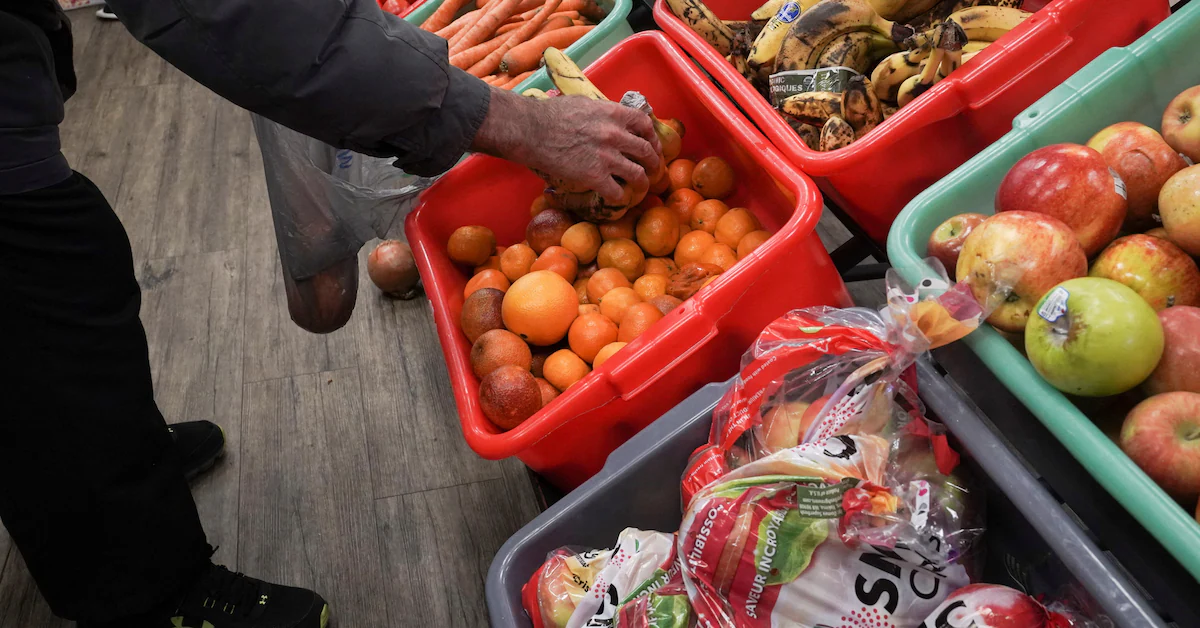
Global food prices surged in March, reaching their highest levels since September 2022, according to recent data from the United Nations Food and Agriculture Organization (FAO). As tensions in the Middle East continue to influence energy markets, experts warn that food prices may experience further increases if the situation persists.
The FAO reported that the uptick in food prices has been relatively modest since the onset of the conflict, primarily driven by rising oil prices. However, the organization noted that the impact has been somewhat mitigated by robust global cereal supplies. Maximo Torero, the FAO’s Chief Economist, highlighted that current food price dynamics are closely linked to energy costs, suggesting that any sustained escalation in conflict could exacerbate the situation.
The price increases are concerning, particularly for vulnerable populations who are already facing food insecurity. The rise in oil prices, a direct consequence of the ongoing conflict, has a cascading effect on transportation and production costs, which ultimately translates to higher prices for consumers. The FAO’s analysis indicates that the food supply chain remains under pressure, and any prolonged instability in the Middle East could lead to more significant disruptions.
Torero emphasized the importance of monitoring the situation closely, noting that while current food stock levels are sufficient to prevent immediate crises, the longer the conflict lasts, the greater the risk of supply chain disruptions. He urged policymakers to remain vigilant and proactive in addressing potential food security challenges that could arise from continued geopolitical tensions.
The report also highlighted that regions heavily reliant on imports for their food supply may be disproportionately affected by these price increases. Countries in the Middle East and North Africa, where many rely on food imports, could face heightened challenges as costs rise, making it imperative for local governments to devise strategies to protect their populations from the impact of escalating prices.
While the FAO has provided an analysis based on current trends, the situation remains fluid. Stakeholders in the agricultural sector, including farmers, distributors, and policymakers, are encouraged to prepare for potential scenarios that could arise from ongoing conflicts and their implications for food security.
As the international community monitors developments in the region, it is crucial for governments and organizations to collaborate on solutions that will safeguard food supplies and stabilize prices for consumers. The ripple effects of geopolitical events on global food systems serve as a reminder of the interconnectedness of economies and the importance of resilience in the face of uncertainty.