GLP-1 Drugs Like Ozempic and Wegovy May Help Treat Anxiety and Depression
Recent research indicates that GLP-1 receptor agonists, commonly used for managing diabetes and aiding weight loss, may also have a beneficial impact on mental health. A large-scale study conducted in Sweden suggests that medications like Ozempic and Wegovy can reduce the risk of worsening anxiety and depression among individuals already diagnosed with these conditions.
The findings, published in the April issue of *The Lancet Psychiatry*, reveal that participants taking GLP-1 drugs experienced fewer psychiatric hospitalizations and required less sick leave from work. This dual benefit offers a promising avenue for addressing both metabolic and mental health issues, though researchers caution that further clinical trials are necessary before recommending these medications as first-line treatments for mental health disorders.
The study analyzed health data from over 95,000 individuals diagnosed with depression, anxiety, or both, who were also prescribed diabetes medications between 2009 and 2022. The focus was on GLP-1 receptor agonists, which mimic the body’s natural GLP-1 hormone to help control blood sugar levels and decrease appetite.
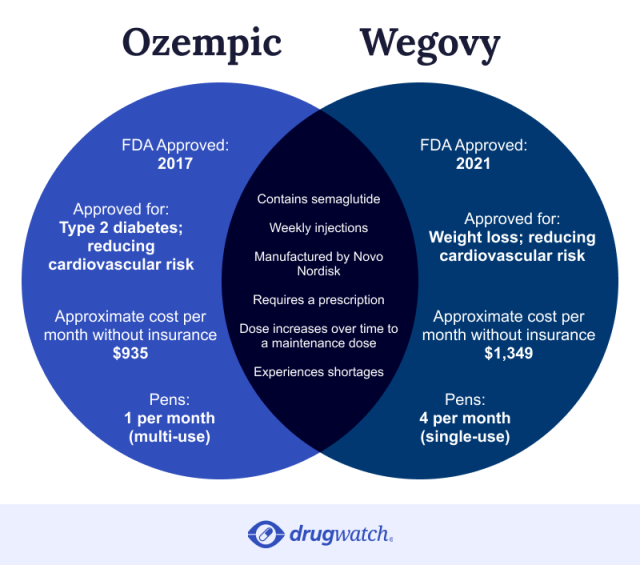
Four specific GLP-1 medications were evaluated: semaglutide (found in Ozempic and Wegovy), liraglutide (Saxenda), exenatide (Byetta, Bydureon BCise), and dulaglutide (Trulicity). Researchers employed a “within-individual” design, comparing periods when participants were using these medications to times when they were not, effectively controlling for variables such as age, gender, and overall health.
Data were drawn from national health registers, including hospital admissions and sick leave records, allowing researchers to identify trends in mental health outcomes. The primary focus was on severe psychiatric events, including hospitalizations and instances of self-harm.
Over an average follow-up period of 5.2 years, approximately 23.5% of participants used GLP-1 receptor agonists. Results indicated that semaglutide was associated with a 42% lower risk of worsening mental health conditions, while liraglutide showed an 18% reduction. Notably, semaglutide was linked to significant decreases in the risks of worsening anxiety, depression, and substance use disorders.
Experts believe that the psychiatric benefits of GLP-1 medications may stem from their ability to cross the blood-brain barrier and influence dopamine signaling and brain inflammation. This could lead to improved mood stabilization and emotional regulation, addressing underlying biological processes related to mental health.
While these findings are encouraging, researchers emphasize that GLP-1 receptor agonists should not be considered a primary treatment for anxiety or depression at this time. Observational studies like this one do not establish causality, and further research is needed to fully understand the relationship between these medications and mental health outcomes.
In light of these findings, healthcare professionals suggest that GLP-1 medications could play a role in integrated care strategies, potentially reducing the burden of mental health conditions and improving overall patient well-being. The research highlights a significant intersection between metabolic health and mental wellness, paving the way for future studies in this promising field.