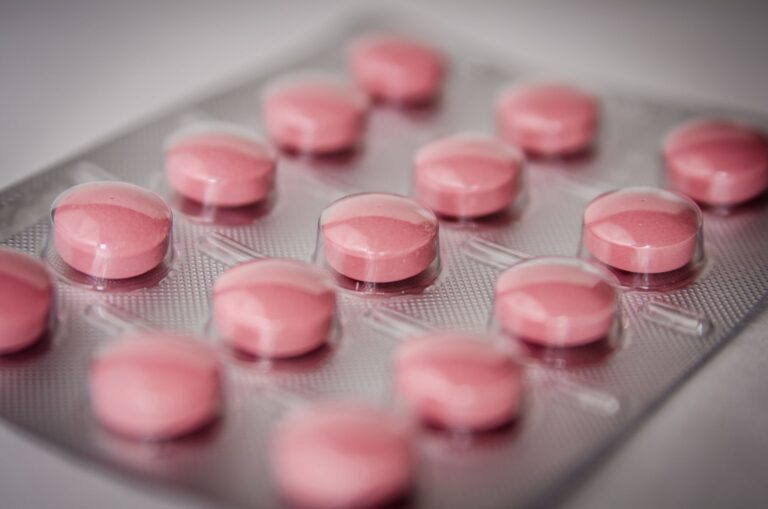
Medications That May Increase Your Risk of Heat-Related Illness
As summer approaches and temperatures rise, it’s crucial for individuals taking certain medications to be aware of their increased vulnerability to heat-related illnesses. Medical professionals emphasize that while many are familiar with the dangers of dehydration and sunburn, not everyone understands how specific medications can heighten heat sensitivity.
Research indicates that certain drugs can interfere with the body’s ability to regulate temperature, leading to a range of complications. The Centers for Disease Control and Prevention (CDC) identifies several ways medications can contribute to heat intolerance, including impaired sweating, decreased thirst sensation, and reduced blood circulation.
Here are ten categories of medications that may pose a higher risk during hot weather:
### Antidepressants
Medications like selective serotonin reuptake inhibitors (SSRIs) and tricyclic antidepressants can disrupt normal sweating patterns, making it harder for the body to cool itself. This disruption can lead to either excessive sweating or a lack of sweating, increasing the risk of heat exhaustion or heatstroke.
### Antipsychotics
Antipsychotic medications can also affect thermoregulation, altering a person’s ability to sense heat. For instance, lithium can lead to dehydration, raising the risk of drug toxicity. Staying hydrated is essential for those on these medications.
### Beta-Blockers
Used mainly for heart conditions, beta-blockers can intensify heat sensitivity. They may impair the body’s ability to regulate temperature, leading to potential overheating, so it’s important for patients to remain vigilant during warmer months.
### ACE Inhibitors
Commonly prescribed for high blood pressure, angiotensin-converting enzyme (ACE) inhibitors can affect temperature regulation and suppress the thirst response. This combination can lead to dehydration, making it vital to drink plenty of fluids in hot weather.
### Diuretics
Diuretics, which increase urine production, can cause significant fluid loss, resulting in dehydration. Individuals taking these medications should be especially careful to stay hydrated and protect themselves from sunburn.
### Insulin and Metformin
For people with diabetes, high temperatures can accelerate insulin absorption, increasing the risk of hypoglycemia. Additionally, medications like metformin can contribute to dehydration, especially if they suppress appetite.
### GLP-1 Medications
GLP-1 medications, used for weight management and diabetes, can also suppress thirst, leading to reduced fluid intake. This can elevate the risk of dehydration during hot weather.
### Stimulants
Medications for attention deficit hyperactivity disorder (ADHD), such as amphetamines, can disrupt thermoregulation and decrease appetite, which may result in less fluid consumption and increased dehydration risk.
### Anticonvulsants
Certain anticonvulsant medications can reduce sweating, increasing the risk of heat-related issues. Individuals using these drugs should avoid extreme heat whenever possible.
### Staying Safe
Given these risks, it’s crucial for individuals taking these medications to consult with healthcare providers about their specific risks in hot weather. Staying hydrated, wearing appropriate clothing, and avoiding strenuous activities during peak heat are essential measures to protect against heat-related illnesses. If symptoms such as dizziness, confusion, or rapid heartbeat occur, immediate medical attention should be sought.