Mind-Body Practices Like Qigong and Yoga Show Promise in Hypertension Management
Emerging research suggests that traditional mind-body practices, particularly baduanjin, may play a beneficial role in managing hypertension. A recent clinical trial revealed that this ancient Chinese exercise significantly lowered blood pressure among participants diagnosed with hypertension.
Baduanjin, which shares similarities with qigong, is characterized by its gentle movements and mindful breathing techniques. This low-impact practice consists of a set sequence of eight movements that typically takes about 10 to 15 minutes to complete. In the study, participants who engaged in baduanjin five times a week experienced a notable reduction in systolic blood pressure, with these improvements maintained for up to a year. The outcomes of this regimen were comparable to those achieved with some first-line hypertension medications as well as brisk walking, according to the researchers. The findings were published in the Journal of the American College of Cardiology.
The increasing emphasis on addressing hypertension earlier and encouraging regular physical activity aligns well with these findings. While maintaining a consistent exercise routine can be difficult for many, baduanjin offers an accessible alternative that does not require specialized equipment or gym memberships. As Dr. Jing Li, the study’s senior author, noted, the simplicity and safety of baduanjin make it an appealing option for individuals seeking to lower their blood pressure.
This research is part of a broader investigation into the cardiovascular benefits of mind-body practices. A recent meta-analysis has indicated that qigong may also provide health benefits for individuals with metabolic syndrome, a condition that often leads to hypertension. Dr. Cheng-Han Chen, an interventional cardiologist, highlighted the potential of qigong as an alternative exercise option, emphasizing the need for further high-quality studies.
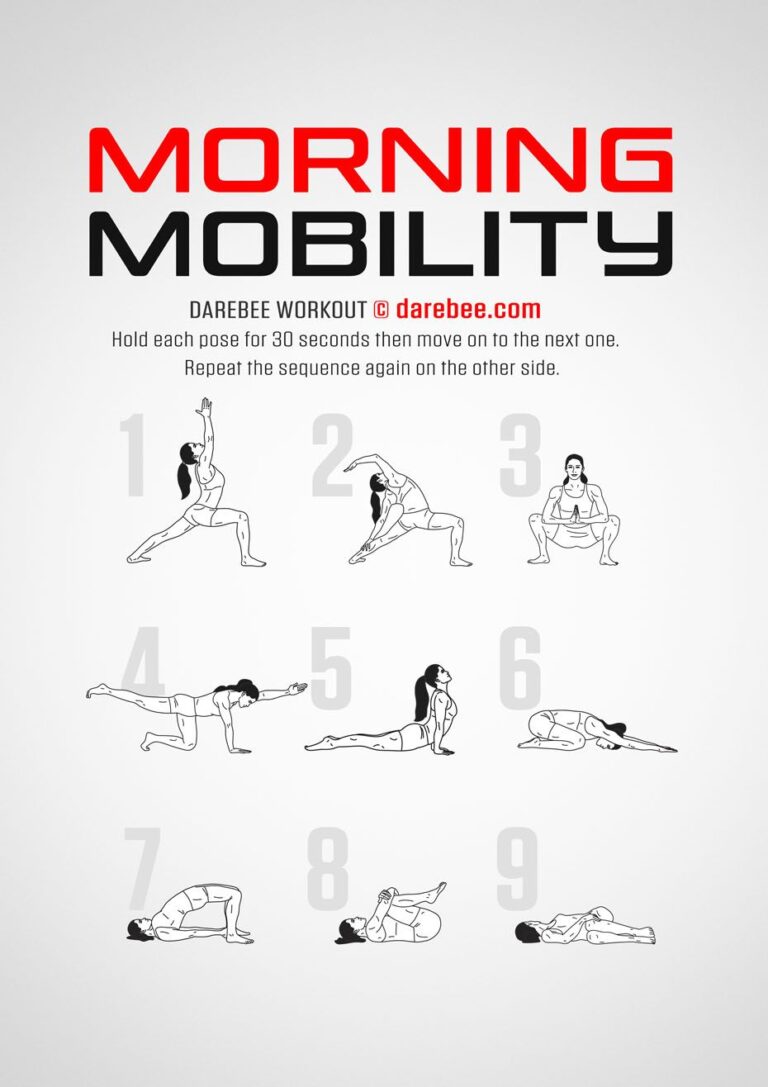
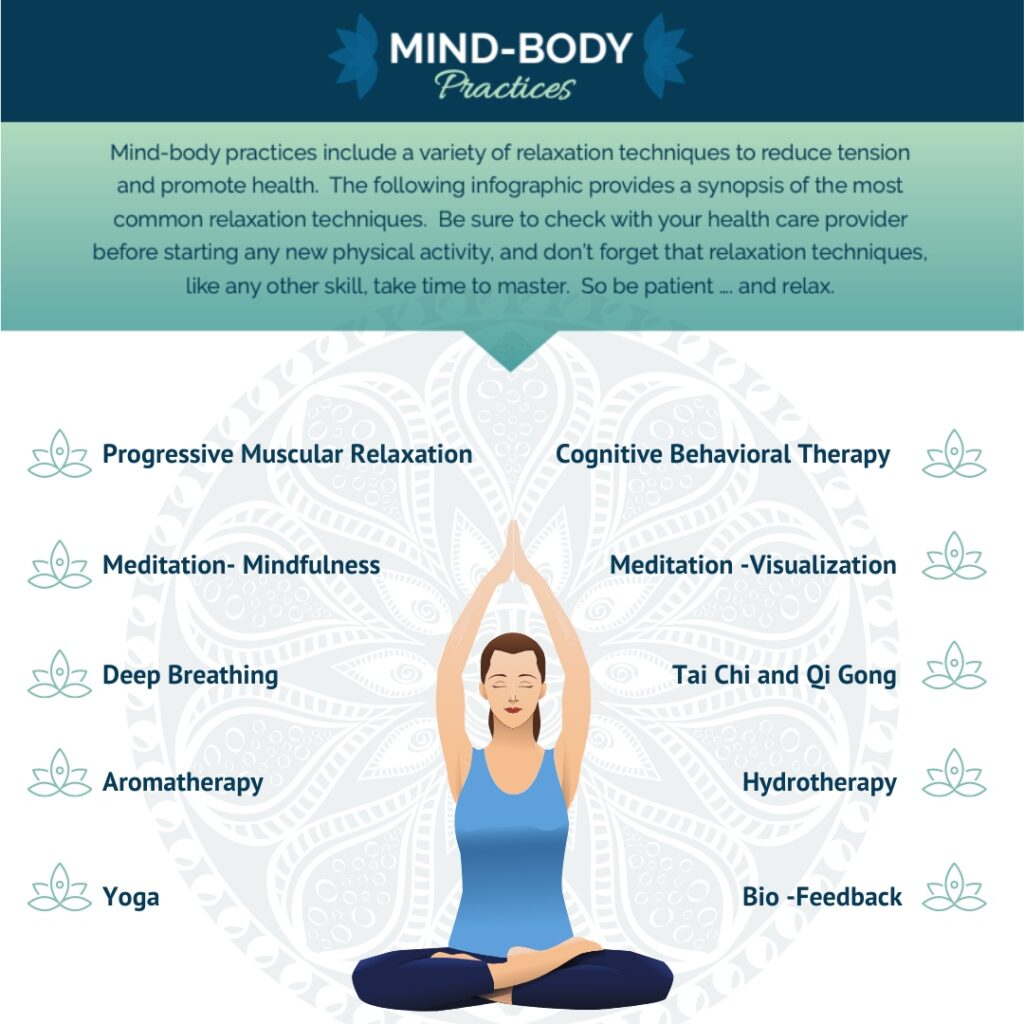
In addition to baduanjin and qigong, other mindfulness practices such as yoga and meditation are gaining attention for their potential effects on blood pressure management. A review indicated that yoga could help lower blood pressure in those with prehypertension or hypertension, although more extensive studies are needed to solidify these findings. Gentle forms of yoga, like Hatha, can provide relaxation and stress relief, while more dynamic styles may enhance cardiovascular endurance.
Meditation and mindful breathing are also recognized for their ability to reduce stress, which is inherently linked to high blood pressure. Research has shown that engaging in mindful breathing exercises for just 15 minutes daily may lead to reductions in blood pressure, although the effects may not last long-term without consistent practice.
Overall, the evidence supporting the use of mind-body practices for hypertension management is growing. While more research is warranted to fully understand these benefits, incorporating activities such as baduanjin, yoga, and meditation may offer valuable tools for individuals looking to manage their blood pressure and improve their overall heart health.