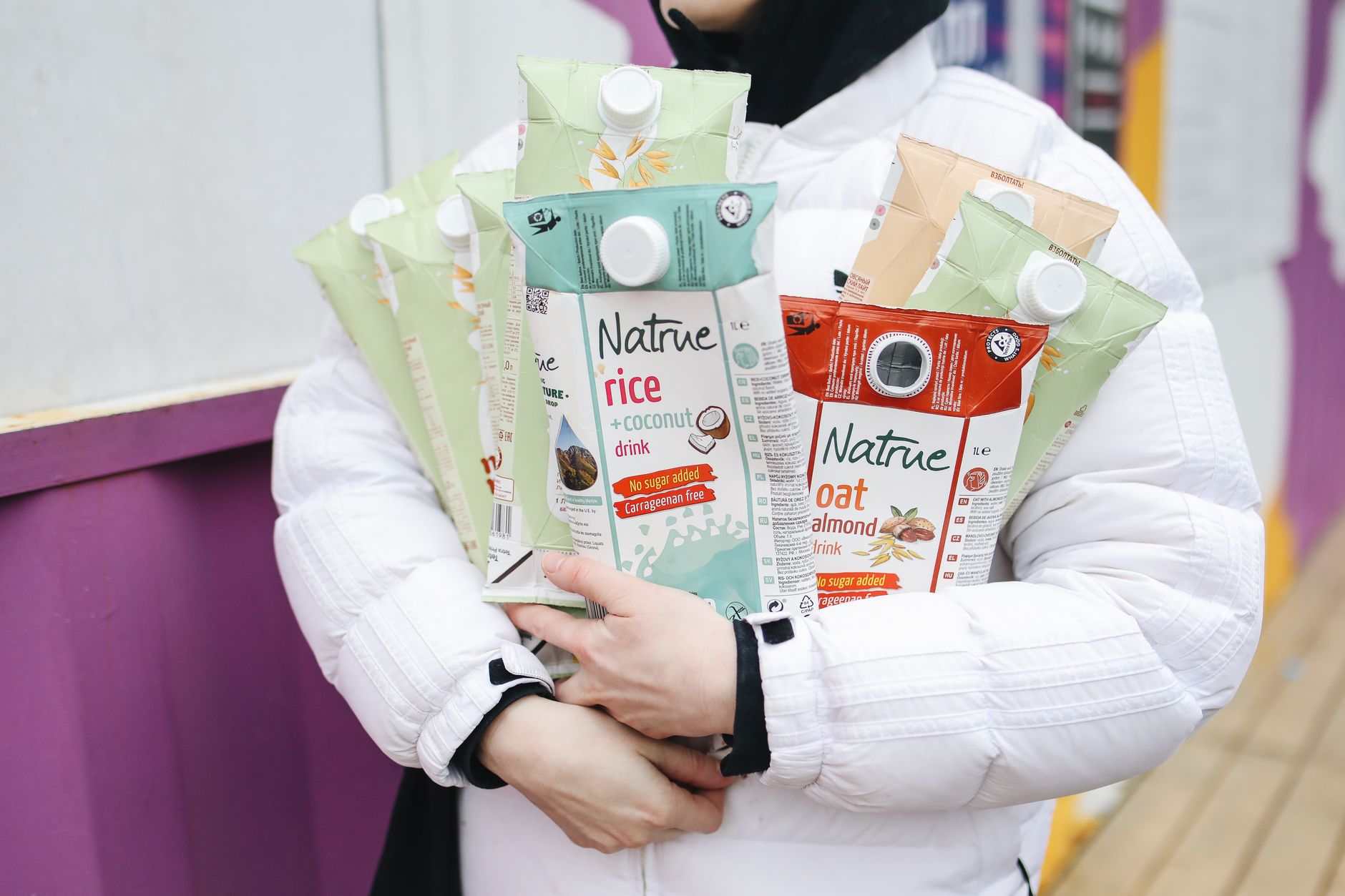
Plant-Based Milk Alternatives May Increase Risk of Low Iodine Intake
Recent findings indicate that opting for plant-based milk and dairy alternatives could significantly reduce iodine consumption, particularly if these products are not fortified. A study published in *Lancet Planetary Health* highlights the potential health risks associated with decreased iodine intake linked to the rising popularity of plant-based diets.
Researchers from the United Kingdom analyzed various plant-based milk, yogurt, and cheese products, discovering that a mere 12% of these items were fortified with iodine. In contrast, fortification rates for calcium and vitamin B12 were considerably higher, at 61% and 46%, respectively. In the United States, while the Food and Drug Administration (FDA) provides guidelines for the nutritional content of plant-based alternatives, the addition of iodine remains a voluntary practice.
The study revealed that even substituting 20% of dairy intake with plant-based alternatives could raise the risk of inadequate iodine intake, particularly among adolescent girls and women of reproductive age. According to Dr. Victoria Finn, a board-certified endocrinologist who was not involved in the research, this finding emphasizes the importance of iodine as a critical nutrient, often overshadowed by concerns about calcium levels when transitioning to plant-based diets.
The researchers estimated that if individuals replaced 20% to 35% of their dairy consumption with plant-based options, the proportion of adolescents with insufficient iodine intake could rise from 54% to 65%. Among women aged 19 to 49, this figure would increase from 32% to 42%. Alarmingly, complete replacement of dairy with plant-based alternatives could lead to 80% of adolescent girls experiencing inadequate iodine intake.
Iodine plays an essential role in thyroid hormone production, metabolism, and the development of the fetal brain. Dr. Finn warns that chronic low iodine levels can lead to hypothyroidism, which may manifest as fatigue, weight gain, and developmental issues during pregnancy. In regions like the UK and the U.S., dairy serves as a significant iodine source, primarily due to the supplementation of cattle feed rather than the natural iodine content of the milk itself.
To ensure adequate iodine intake while following a plant-based diet, individuals are encouraged to select fortified dairy alternatives, consume seafood and eggs, and use iodized salt. Consulting a healthcare professional about iodine supplements is also advisable, but caution is recommended as excessive iodine can negatively impact thyroid function.
As plant-based diets continue to gain traction for their health benefits, it is crucial for individuals to be mindful of their iodine intake. Simple strategies, such as checking product labels for iodine fortification and discussing dietary needs with a healthcare provider, can help maintain balanced nutrition while enjoying the advantages of a plant-forward lifestyle.