Type 2 Diabetes Risk Varies Widely in Young Adults: How GLP-1 Medications Can Make a Difference
New research reveals that the risk of developing type 2 diabetes among young adults aged 18 to 40 is far from uniform, emphasizing the importance of personalized prevention strategies. Scientists have found that certain factors, particularly elevated fasting blood glucose levels, significantly increase the likelihood of progressing from prediabetes to type 2 diabetes in this age group. This discovery sheds light on the potential benefits of early screening and tailored treatments, including the use of GLP-1 receptor agonists.
Prediabetes often goes undetected because it usually does not cause obvious symptoms. However, it poses a serious health threat by increasing the risk of developing type 2 diabetes, heart disease, and other complications. The recent study highlights that young adults with higher fasting glucose levels—especially those who meet criteria for GLP-1 medication—face a markedly higher risk. GLP-1 receptor agonists, a class of drugs originally developed for diabetes treatment, have shown promise not only in controlling blood sugar but also in supporting weight loss and improving metabolic health.
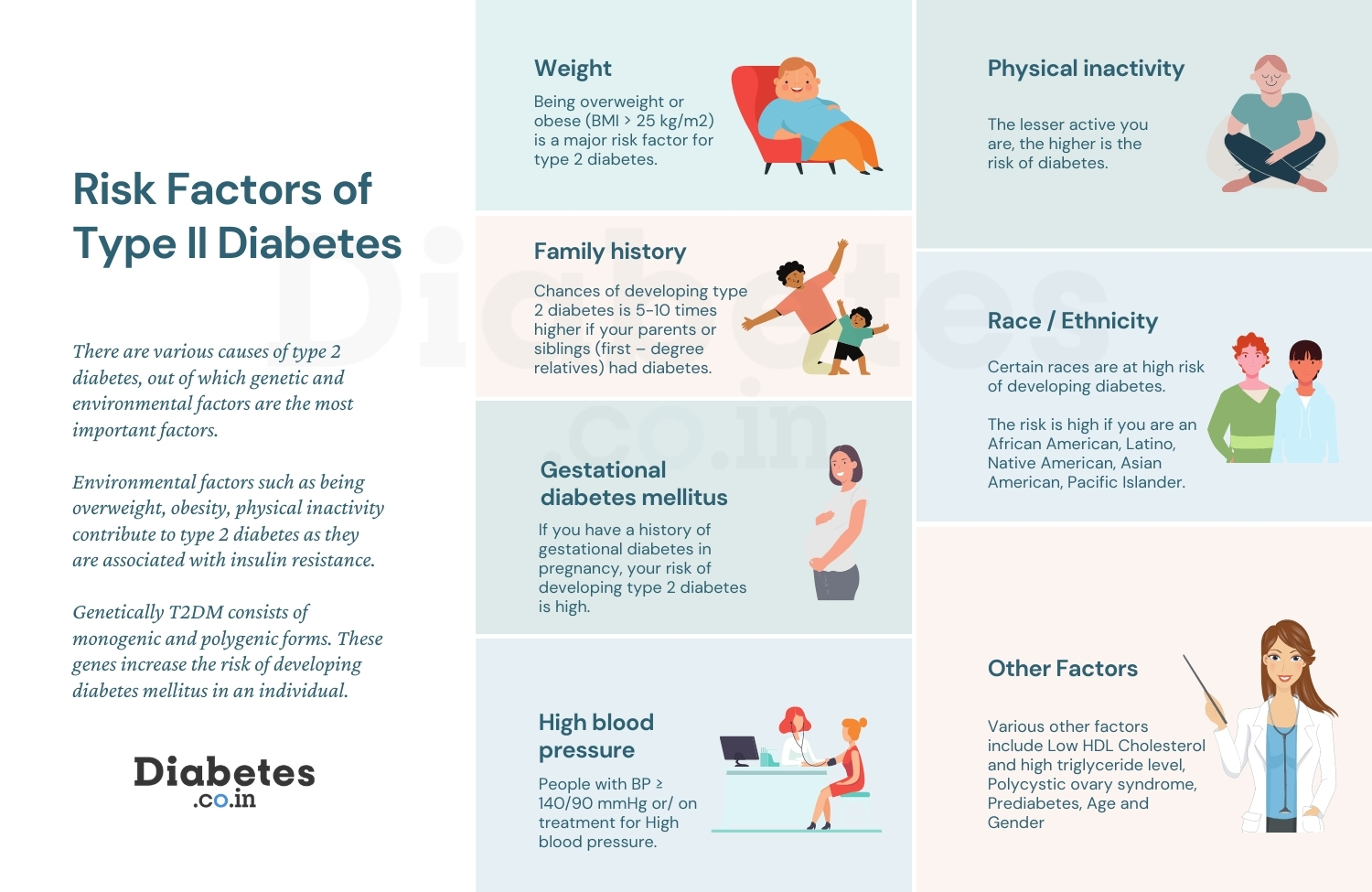
Experts stress the importance of regular screening for prediabetes in young adults, particularly those with risk factors such as obesity, family history of diabetes, or sedentary lifestyles. Early identification allows for timely interventions that can prevent or delay the onset of type 2 diabetes. Lifestyle modifications remain the cornerstone of prevention, including adopting a balanced diet, engaging in regular physical activity, ensuring adequate sleep, and managing stress levels effectively.
In addition to lifestyle changes, GLP-1 medications are increasingly recognized as valuable tools in diabetes prevention strategies. These drugs work by enhancing insulin secretion, reducing appetite, and slowing gastric emptying, which collectively help improve blood sugar control and promote weight management. For young adults at higher risk, especially those with elevated fasting glucose, GLP-1 therapies could offer a targeted approach to reduce the progression from prediabetes to full-blown diabetes.
This research underscores the need for a more nuanced approach to diabetes prevention among young adults, moving beyond one-size-fits-all recommendations. By combining early screening with personalized interventions—ranging from lifestyle changes to medication like GLP-1 receptor agonists—healthcare providers can better support individuals at risk and potentially curb the growing burden of type 2 diabetes.
In summary, understanding the varied risk of type 2 diabetes in young adults is crucial for effective prevention. With the help of early detection and tailored treatments, including innovative medications such as GLP-1 receptor agonists, it is possible to reduce diabetes risk and promote healthier futures for those affected by prediabetes.