Why One Big Meal Isn’t the Real Holiday Health Problem
As the holiday season approaches, many individuals grapple with the idea of maintaining their health amidst festive celebrations. A common concern is the potential impact of a single indulgent meal, such as the Thanksgiving feast. However, experts suggest that the broader patterns of eating and lifestyle during the entire holiday period are far more significant than the one-off occasions.
Research, including a comprehensive review of 23 studies conducted in 2020, indicates that most people experience some weight gain during the holiday season. On average, this amounts to about one and a half pounds. Notably, the real challenge lies not in the foods consumed on a single day, but in the extended holiday season where healthy routines may be neglected.
Amidst the holiday hustle and bustle, many fall prey to health myths that can lead to unnecessary stress and guilt. For instance, some individuals believe in the necessity of punishing workouts after holiday indulgence, but experts recommend a gentler approach. A simple walk can be more beneficial than an intense workout, especially if one is feeling bloated or fatigued.
Another common misconception is the idea of skipping meals to “save room” for a big feast. This strategy often backfires, leading to overeating and potential health risks, particularly for those on medications that control blood sugar levels. Moreover, the belief that detoxes or cleanses are essential after festive meals is misleading; the body’s liver and kidneys already perform these functions naturally without the need for special diets.
Additionally, the so-called “turkey coma” is largely a myth. Turkey contains similar levels of tryptophan as chicken, and feelings of drowsiness after a large meal are more likely due to the combination of food quantity, alcohol consumption, and a long day rather than any specific ingredient.
While one day of indulgence may not have lasting effects, the holiday season can present various challenges that disrupt healthy habits. Late nights, travel, and stress can all impact sleep, mood, and overall health. For individuals managing chronic conditions such as diabetes, high blood pressure, or heart disease, the stakes can be higher. It’s crucial for these individuals to communicate with healthcare providers about their holiday plans and ensure they stay on track with medications and dietary restrictions.
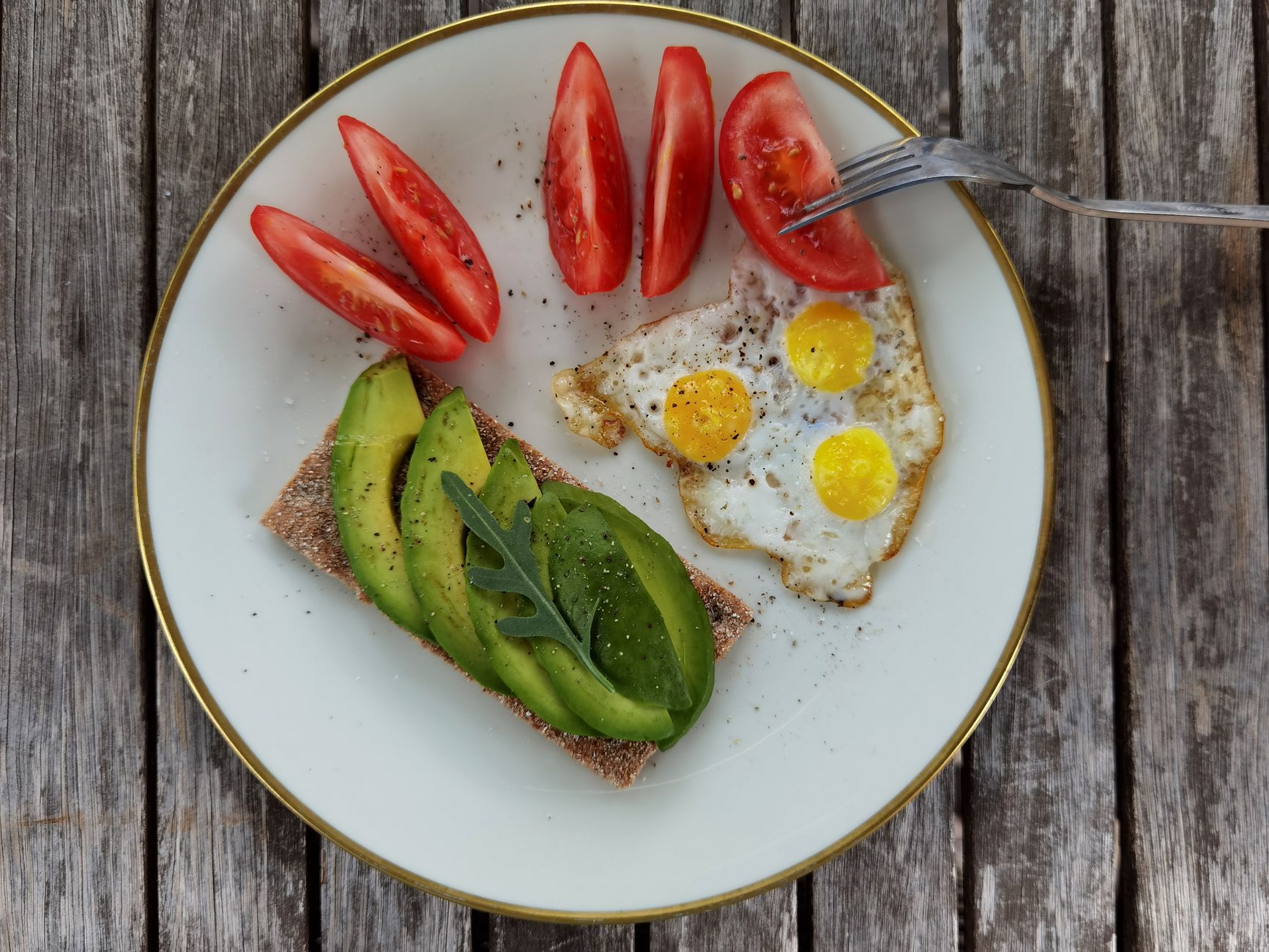
To navigate the post-Thanksgiving period effectively, a few practical strategies can be helpful. Starting the day after Thanksgiving with a nutritious breakfast can stabilize mood and energy levels. Staying hydrated is equally important, as it aids digestion and overall well-being. Engaging in light physical activity, even a short walk, can also alleviate feelings of bloating and help regulate blood sugar levels.
Ultimately, the holiday season is about gratitude and connection. By reframing our perspectives on health and indulgence, we can cultivate a more positive relationship with food and ourselves. Embracing kindness—both to ourselves and others—can enhance our overall well-being during this festive time.