Young Adults With High Blood Pressure Face Increased Risk of Heart and Kidney Disease
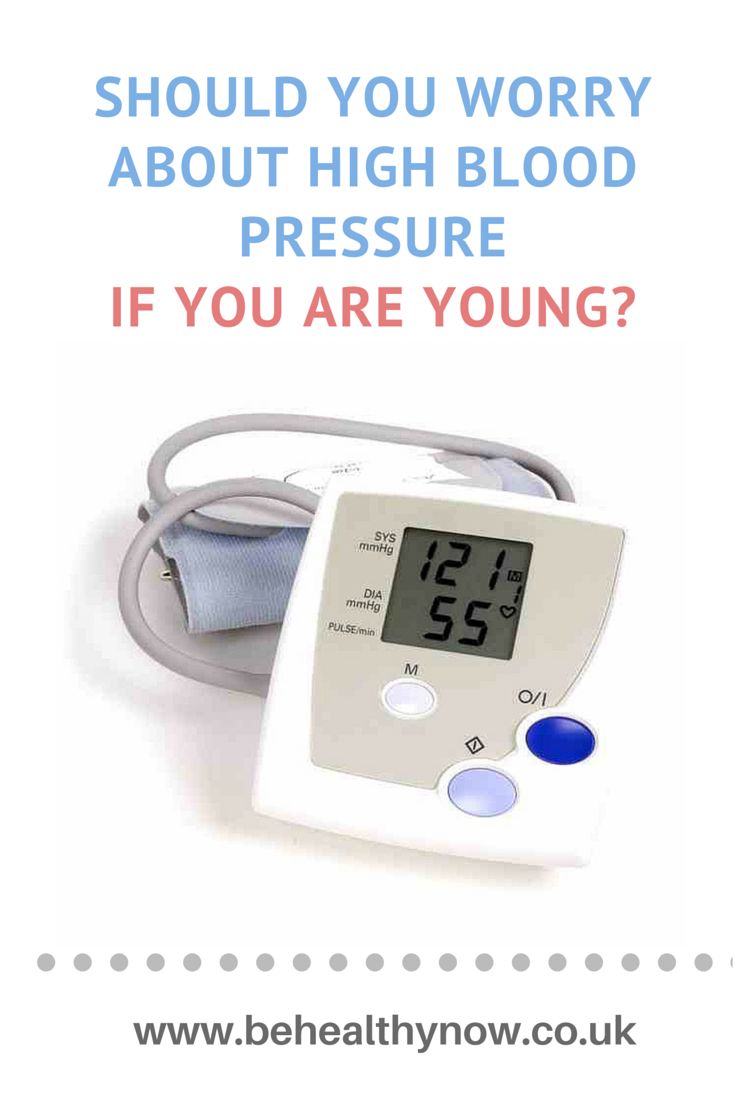
Recent research indicates that high blood pressure in young adults, particularly those aged 30 to 40, may significantly raise the likelihood of developing heart and kidney diseases later in life. This highlights the crucial need for young individuals to monitor and manage their blood pressure levels effectively.
Presenting at the American Heart Association’s EPI|Lifestyle Scientific Sessions 2026, the study emphasizes that maintaining healthy blood pressure during young adulthood is vital. Although the research has not yet undergone peer review, its implications are significant.
Dr. Cheng-Han Chen, a board-certified interventional cardiologist, noted the established link between high blood pressure and the risk of heart and kidney disease. He expressed concern over the potential long-term consequences of sustained elevated blood pressure in young adults, as this condition could lead to premature health issues in middle age.
According to the American Heart Association, nearly half of U.S. adults experience high blood pressure, a primary contributor to cardiovascular diseases and premature deaths globally. This condition is not only prevalent but also a modifiable risk factor, making it essential for individuals to take proactive steps in managing their blood pressure to reduce the risk of serious health events, including heart attacks and strokes.
Dr. Karishma Patwa, a cardiologist, emphasized that many young adults dismiss elevated blood pressure, thinking it is insignificant. She argues that the new findings underscore the necessity for earlier screening and intervention, rather than waiting until midlife for management.
The study analyzed health data from 291,887 adults who were 30 years old between 2002 and 2004. Participants underwent routine health screenings, and none had a history of heart or kidney disease before the age of 40. Researchers tracked their blood pressure levels over the years and followed up for about a decade after they turned 40.
Results revealed that individuals with high blood pressure consistently elevated between the ages of 30 and 40 were at a significantly increased risk for heart and kidney diseases post-40. Specifically, those with systolic blood pressure readings approximately 10 mm Hg higher than their peers experienced a 27% greater risk of heart disease and a 22% higher risk of kidney disease. Similarly, those with diastolic readings about 5 mm Hg higher faced a 20% increased risk for heart disease and a 16% increased risk for kidney disease.
The American Heart Association’s 2025 High Blood Pressure Guidelines suggest treatment for stage 1 hypertension in adults based on their 10-year cardiovascular risk. However, Dr. Patwa advocates for a more individualized approach that considers a patient’s overall lifetime risk.
To help manage and lower blood pressure, the AHA recommends consulting with healthcare professionals. This may involve medication, as well as lifestyle changes that include:
– Following a balanced diet
– Limiting or avoiding alcohol
– Managing stress effectively
– Maintaining a healthy weight
– Quitting or avoiding smoking
By taking these steps, young adults can significantly reduce their risk of developing severe health issues related to high blood pressure, leading to a healthier future.