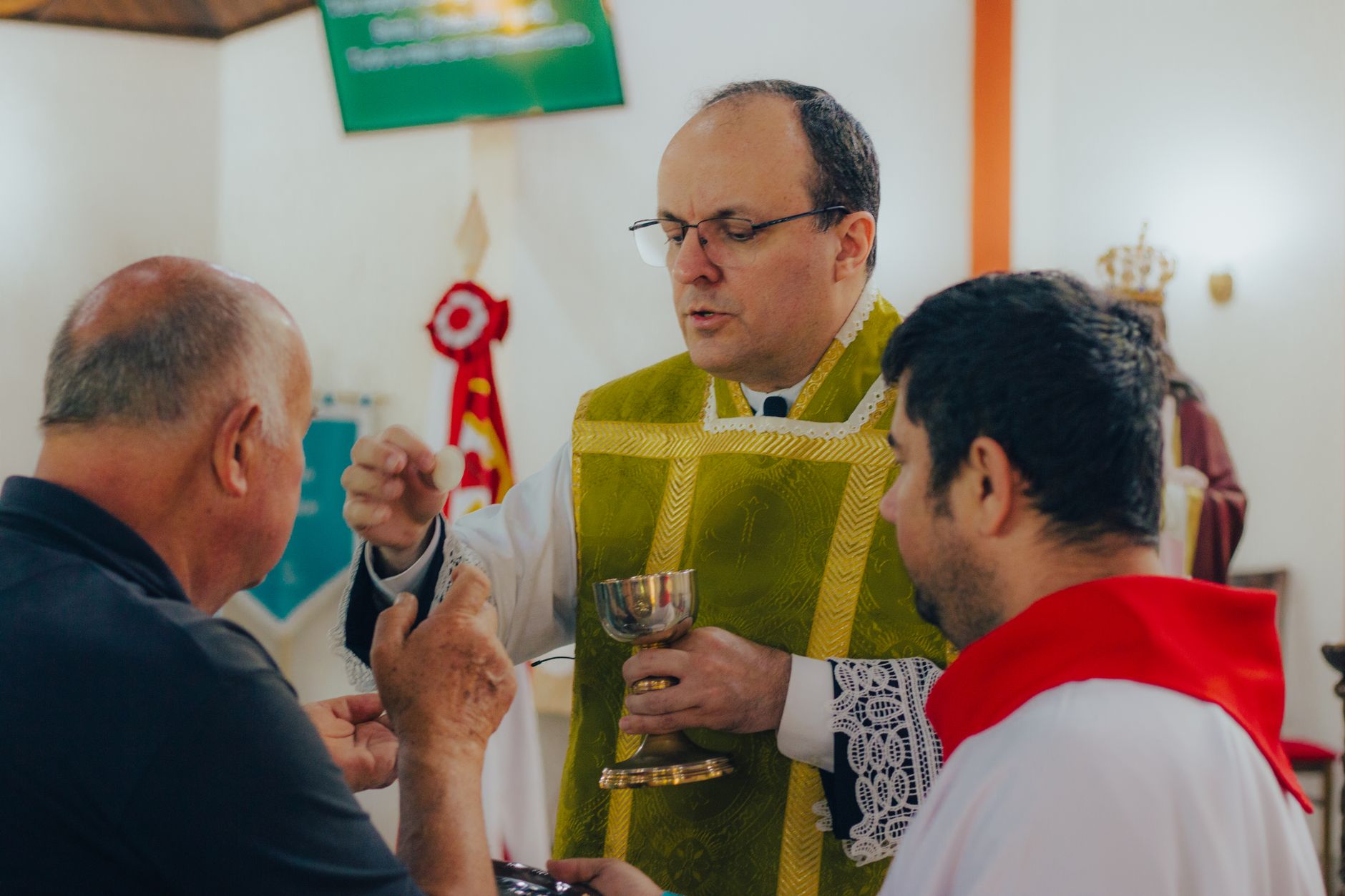
A Catholic Challenges Her Church on Communion Rules
In a heartfelt letter to the editor, Mary Kay Dessoffy of Walton Hills has raised important questions regarding the Catholic Church’s stance on communion, particularly in relation to individuals in committed, loving relationships. Dessoffy, who identifies as a practicing Catholic, argues that the Church’s strict rules regarding communion can often exclude individuals who are striving to live their faith authentically.
Dessoffy points to the situation where two people, possibly with children, find themselves in a committed partnership but are deemed unworthy of receiving communion because of prior marriages that lacked annulments. She expresses confusion over how loving relationships can be viewed as incompatible with receiving the Eucharist, which is central to the Catholic faith.
In her letter, Dessoffy contends that the Church’s interpretation of worthiness needs reevaluation. She emphasizes the importance of compassion and understanding in the Church’s approach to its members, suggesting that the current rules may not reflect the realities of many faithful Catholics who are trying to navigate their spiritual lives while facing complex personal circumstances.
Dessoffy’s concerns resonate with a growing number of Catholics who feel alienated by the Church’s teachings on marriage and communion. Many individuals in similar situations have expressed feelings of exclusion, particularly those who have remarried after divorce without securing an annulment. The Church’s requirement for annulments before remarriage can lead to emotional distress and a sense of being unwelcome in their spiritual community.
The debate surrounding communion rules is not new; it has been a point of contention within the Church for years. Advocates for reform argue that the Church should adapt its teachings to align with contemporary understanding of love, commitment, and family dynamics. They advocate for a more inclusive approach, one that acknowledges the complexities of personal relationships and the desire for spiritual fulfillment.
Dessoffy’s letter has sparked discussions among local parishioners and church leaders alike. Many are considering the implications of her message and the need for a more compassionate approach to those who find themselves at odds with the Church’s teachings. As communities continue to grapple with these issues, the conversation around communion and worthiness remains crucial for many Catholics seeking to reconcile their faith with their lived experiences.
In her poignant plea, Dessoffy hopes to inspire dialogue within the Church that leads to understanding and inclusivity, ensuring that all who seek to participate in the sacrament of communion feel welcomed and valued in their faith journey.