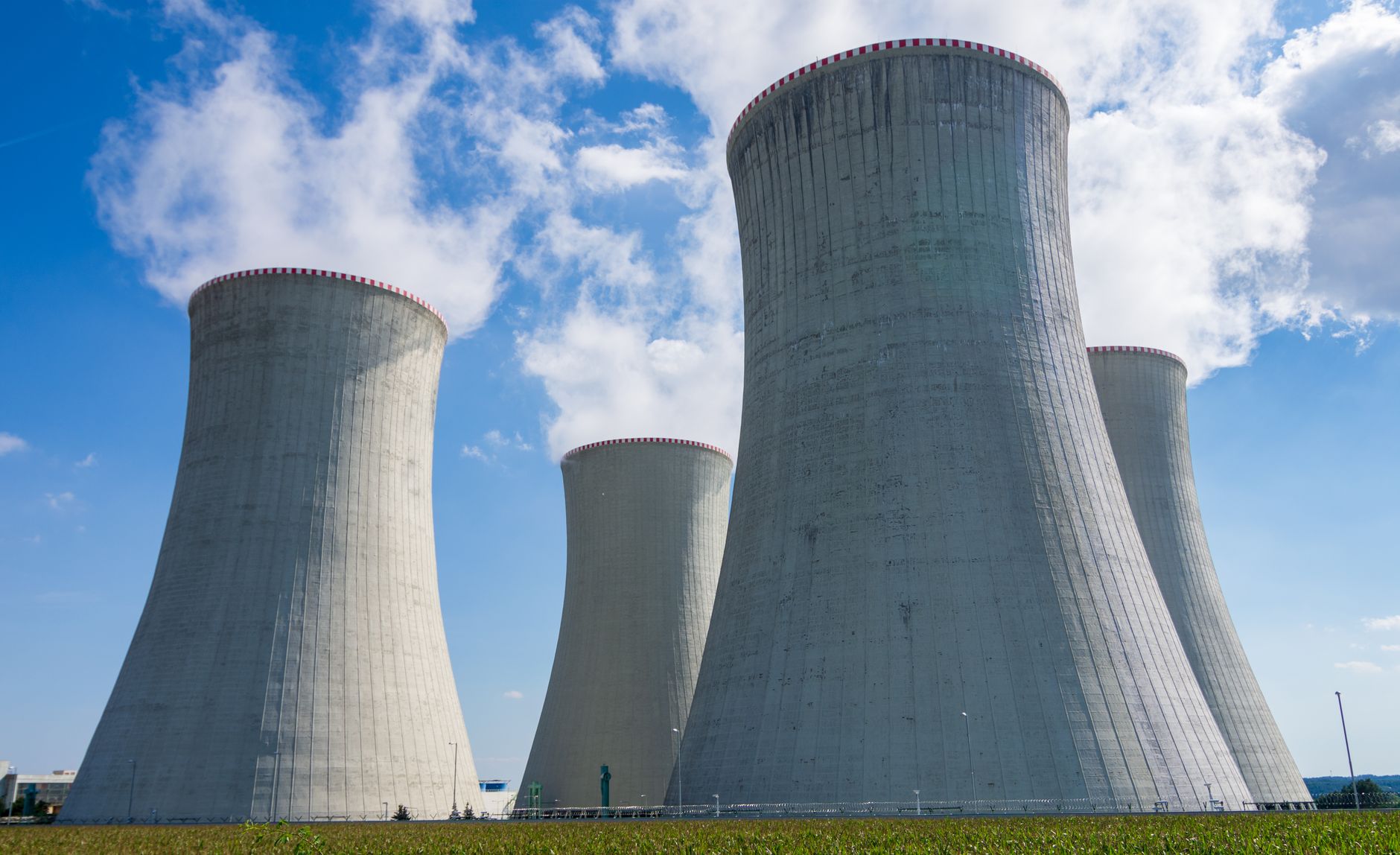
AEP’s Nuclear Initiative: Benefits for Utilities or Burdens for Ohio Residents?
Ohio’s energy landscape is undergoing significant changes as state Republicans advocate for a new legislative bill that would allow utility companies, including American Electric Power (AEP), to own and operate nuclear power plants. This proposal has sparked a lively debate among lawmakers, energy experts, and residents, particularly regarding its long-term implications for electricity costs.
Under the current regulatory framework, Ohio utilities are restricted from owning generation facilities, including nuclear plants. However, the proposed legislation aims to change that by granting AEP and similar companies the ability to acquire and manage these facilities directly. Proponents argue that this move could provide a more stable energy supply and promote investment in the state’s nuclear infrastructure.
Supporters of the bill believe that by allowing utilities to own nuclear plants, Ohio can ensure a more reliable energy source for its residents. They contend that nuclear energy offers a cleaner alternative to fossil fuels and can play a crucial role in reducing carbon emissions. Additionally, advocates assert that ownership could lead to improved operational efficiencies and potentially lower energy prices in the long run.
However, critics are raising alarm bells about the potential financial repercussions for consumers. They point out that, while the bill includes a 20-year protection period designed to shield customers from immediate cost increases, there are concerns about what will happen once that period expires. Detractors warn that customers could be faced with steep electricity bills as utilities seek to recoup their investments in nuclear infrastructure.
Consumer advocacy groups have voiced strong opposition to the proposed legislation, arguing that it essentially amounts to a “sweetheart deal” for utility companies at the expense of Ohio residents. They fear that the bill could lead to increased rates and a lack of accountability in how utilities manage their nuclear operations. Critics argue that the state should prioritize consumer protections and explore alternative energy solutions, such as renewable sources, rather than investing in potentially risky nuclear ventures.
As the debate continues, lawmakers are weighing the potential benefits of the legislation against the concerns of consumer advocates. The Ohio House and Senate will need to carefully consider the long-term implications of allowing utilities to own nuclear plants, particularly in terms of economic impacts on everyday Ohioans.
As discussions unfold, residents are encouraged to stay informed and voice their opinions on the matter. The decisions made in the coming months could significantly shape Ohio’s energy future, impacting not only the environment but also the wallets of Ohioans for decades to come.